
Retractable Awning Maintenance
Retractable Awning Maintenance Services in Phoenix
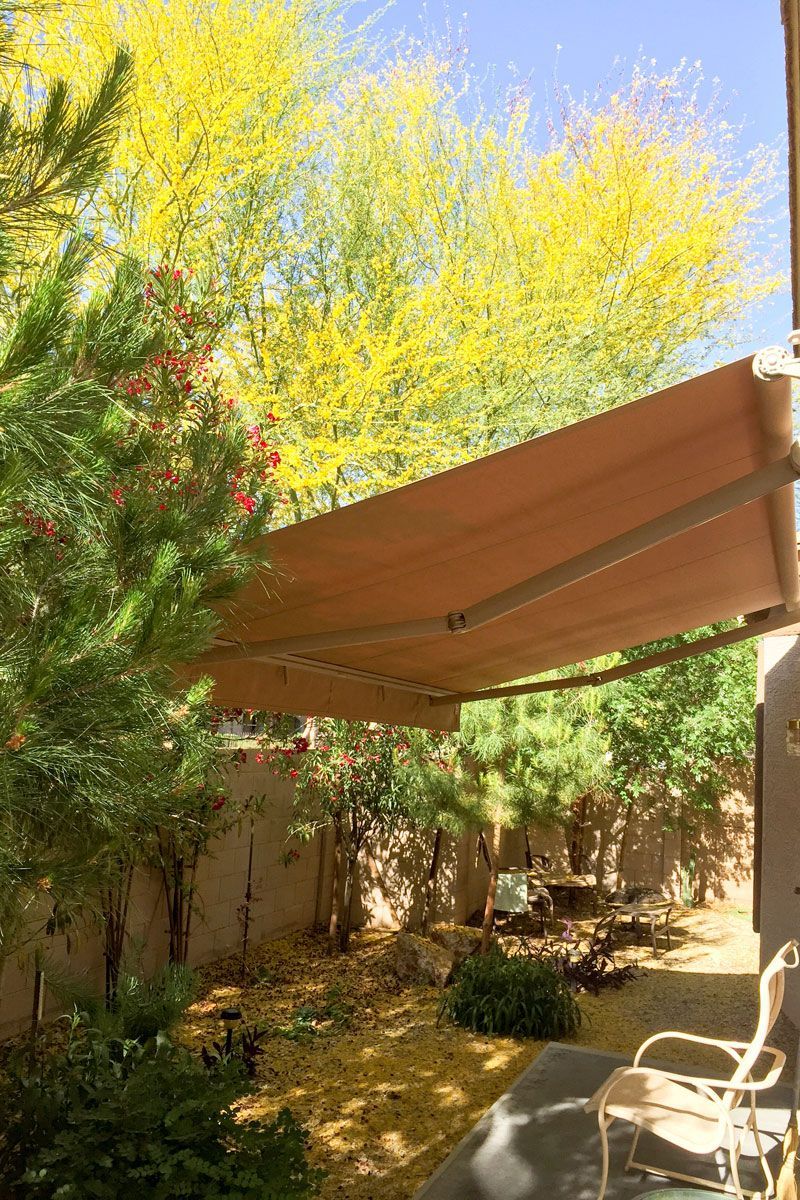
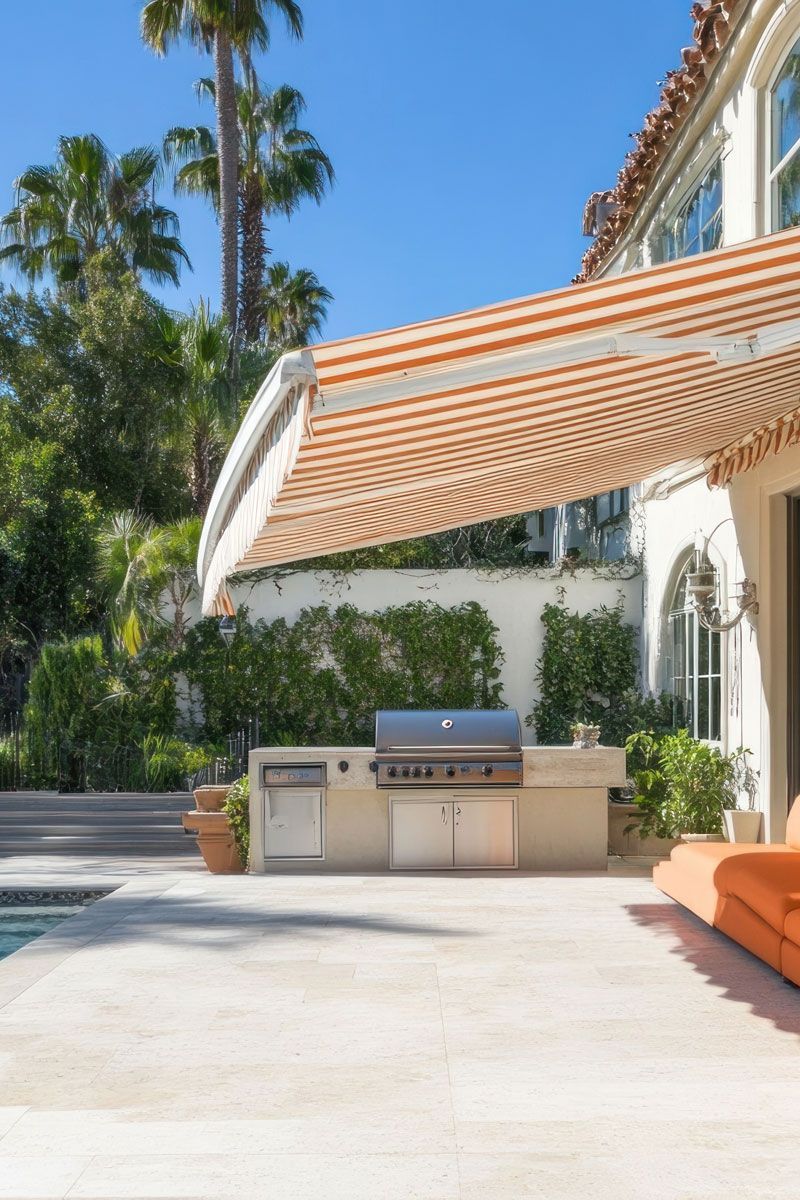
Retractable awning systems depend on a combination of motors, gearboxes, arm assemblies, torsion springs, limit settings, roller tubes and protective housings that must work together smoothly. Over time, normal wear, dust buildup and continuous sun exposure can take a toll on the most dependable retractable awnings, including the Durasol retractable awnings we install at Arizona Awnings.
Arizona Awnings provides support, maintenance, and repair for every retractable awning we install. If your Arizona Awnings retractable awning ever has performance issues, or it was damaged in a recent storm, call us for an inspection and repair visit.
Why Retractable Awning Systems Need Regular Care
Retractable awnings rely on moving parts, tensioned components and electronic controls. Arizona’s unique environment, consisting of intense UV, dust, monsoon winds and large temperature swings, places extra stress on these parts.
Common issues can eventually appear, including:
- Slow or uneven extension
- Sticking or jamming during retraction
- Noisy operation
- Drooping fabric
- Poor alignment of the arms or torsion bar
- Motors that stall, hum or lose power
Most of these problems are avoidable with periodic inspection, cleaning and adjustment. For retractable systems, keeping mechanical components clean and properly calibrated is just as important as caring for the fabric.
Retractable Awning Motor and Gearbox Inspections
On motorized awnings, the motor and gearbox are the heart of the operation. They control how smoothly the awning opens and closes and determine how well the system handles tension and weight.
A service visit may involve testing electrical connections, checking for overheating, inspecting the gearbox for resistance or identifying worn internal parts that influence torque and lift. While some issues require replacement, many can be corrected early through calibration or hardware adjustments.
Common symptoms of motor or gearbox issues include:
- The awning stopping midway
- Intermittent movement or hesitation
- Loud grinding or rattling
- Slow or weak extension
- Motor humming without movement
Arm and Joint Alignment for Retractable Awnings
Retractable awning arms carry the system’s tension and are responsible for maintaining correct pitch and fabric tension when fully extended. Over time, the joints and internal springs within the arms can develop wear, especially in areas with high wind or heavy daily use.
Service typically focuses on checking arm alignment, verifying tensioning, inspecting joint integrity and ensuring the arms glide smoothly during extension and retraction.
Signs of arm-related wear can include:
- A wobbly or uneven extension
- Drooping fabric
- Visible gaps where arms should sit flush
- Jittering or shaking during movement
Retractable Awning Torsion Springs and Tension Settings
Torsion springs provide the balanced lift that allows retractable awnings to operate with consistent, controlled movement. As springs age, they may lose tension or develop uneven pressure.
Regular tension adjustments help keep the system balanced, reduce stress on motors and prevent premature failure of the arms or gearbox.
When torsion springs need attention, you may notice:
- Difficulty extending or retracting the awning
- Uneven movement from side to side
- Snapping or popping noises during motion
- Excessive force needed when manually operating
Limit Setting Calibrations for Retractable Awnings
Motorized awnings rely on limit settings, which tell the motor exactly how far to open or close the awning. If these settings drift or lose calibration, the system may overextend, underextend or fail to retract fully.
Correct limit settings protect the frame, motor and fabric from unnecessary strain. A technician can recalibrate these settings to keep the operation smooth and consistent.
Symptoms of limit-setting issues can include:
- The awning stopping short of full extension
- The awning failing to retract all the way
- Motor strain at the end positions
- Inconsistent stopping points day-to-day
Retractable Awning Arm Assemblies, Roller & Housing Cleaning
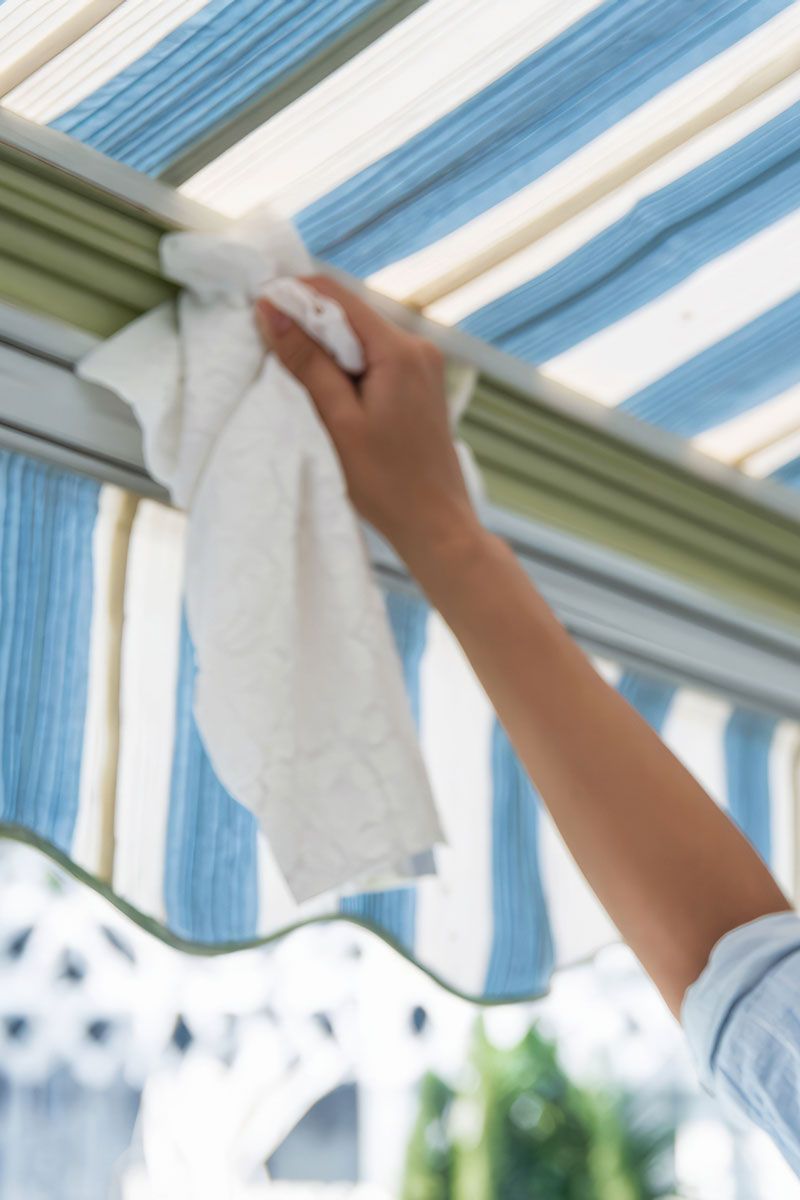
Dust accumulation is one of the most common causes of retractable awnings sticking or jamming. Dirt can settle around the arm assemblies, roller tube and protective housing, particularly when monsoon winds blow dust and debris into moving components.
Cleaning helps prevent:
- Arm resistance
- Fabric scraping
- Motor strain
- Roller irregularities
When to Schedule Retractable Awning Services
You should consider a service appointment if your retractable awning shows any of the following:
- Unusual noise or hesitation
- Sticking, slow or incomplete movement
- Visible sagging or arm misalignment
- Motor humming without motion
- A sudden change in how smoothly it operates
- Long periods of inactivity followed by stiff or jerky motion
SERVING THE PHOENIX AREA FOR OVER 90 YEARS
Reliable Care for Every Awning We Install in Phoenix
Retractable awnings are an investment in comfort, energy savings, and outdoor enjoyment. Maintaining their mechanical components ensures they continue operating safely and smoothly.
Arizona Awnings provides ongoing support and repair for every retractable awning we install. If you are interested in retractable awning installation or replacement, call today at 602-252-3430 to request a consultation.
