
Shade Sail Tensioning
Shade Sail Tensioning & Hardware in Phoenix: Why Proper Setup Matters Long After Installation
Shade sails are a sleek, effective way to create outdoor shade in Arizona’s intense sun, but their performance and longevity depend heavily on proper tensioning and high-quality hardware. Unlike fixed awnings, shade sails rely on constant tension to maintain their shape, resist wind loads, and prevent premature fabric wear.
Arizona Awnings’ experienced installers focus on precise tensioning and hardware setup so shade sails maintain their form, handle wind loads and deliver dependable shade for many years.
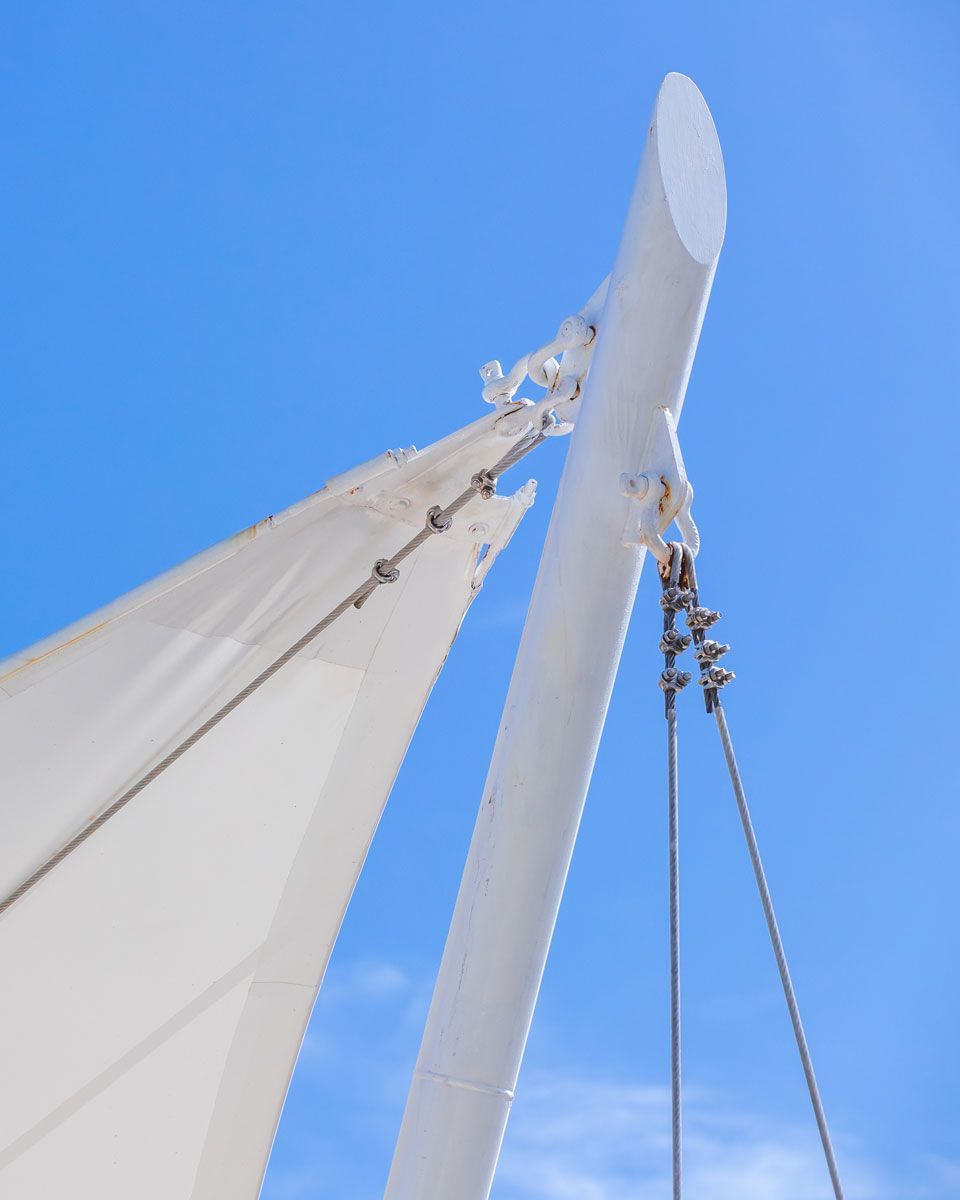
How Shade Sail Tensioning Works
Shade sail fabric is designed to be pulled taut between anchor points, creating a stable, slightly curved surface that sheds wind and water rather than catching it. This tension is achieved through specialized hardware such as turnbuckles, shackles, pad eyes and structural mounting posts.
Without adequate tension, a shade sail will sag, flap in the wind and place uneven stress on the fabric and connection points. Over time, this can lead to tearing, stretched corners or even anchor failure.
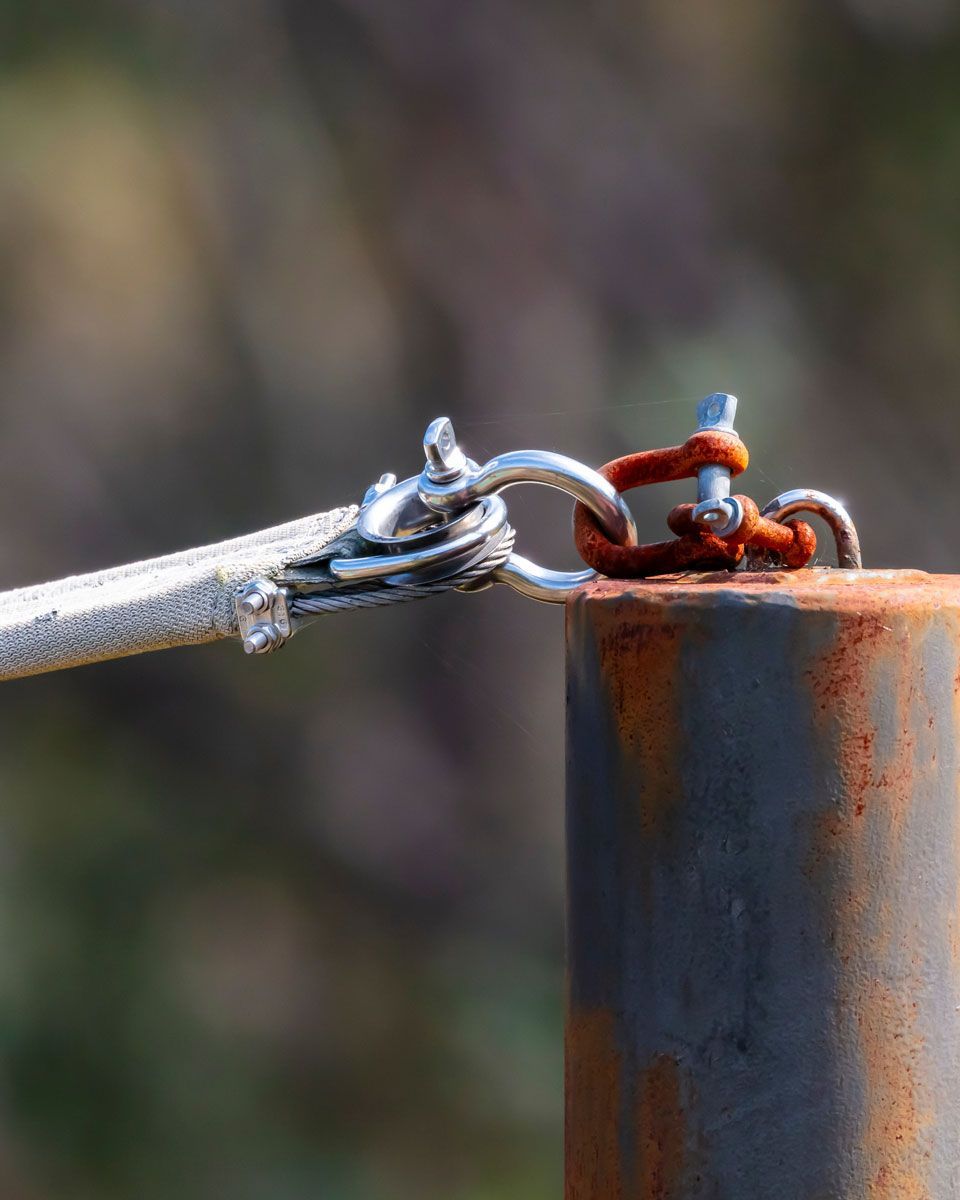
Key Hardware Used in Shade Sail Installations
- Turnbuckles – These allow installers to precisely tighten or loosen the sail after installation. They’re essential for fine-tuning tension and for seasonal re-tensioning.
- Stainless steel shackles and carabiners – Used to securely connect sail corners to anchor points while allowing controlled movement.
- Pad eyes and eye bolts – Mounted to walls, beams or posts to provide stable attachment points.
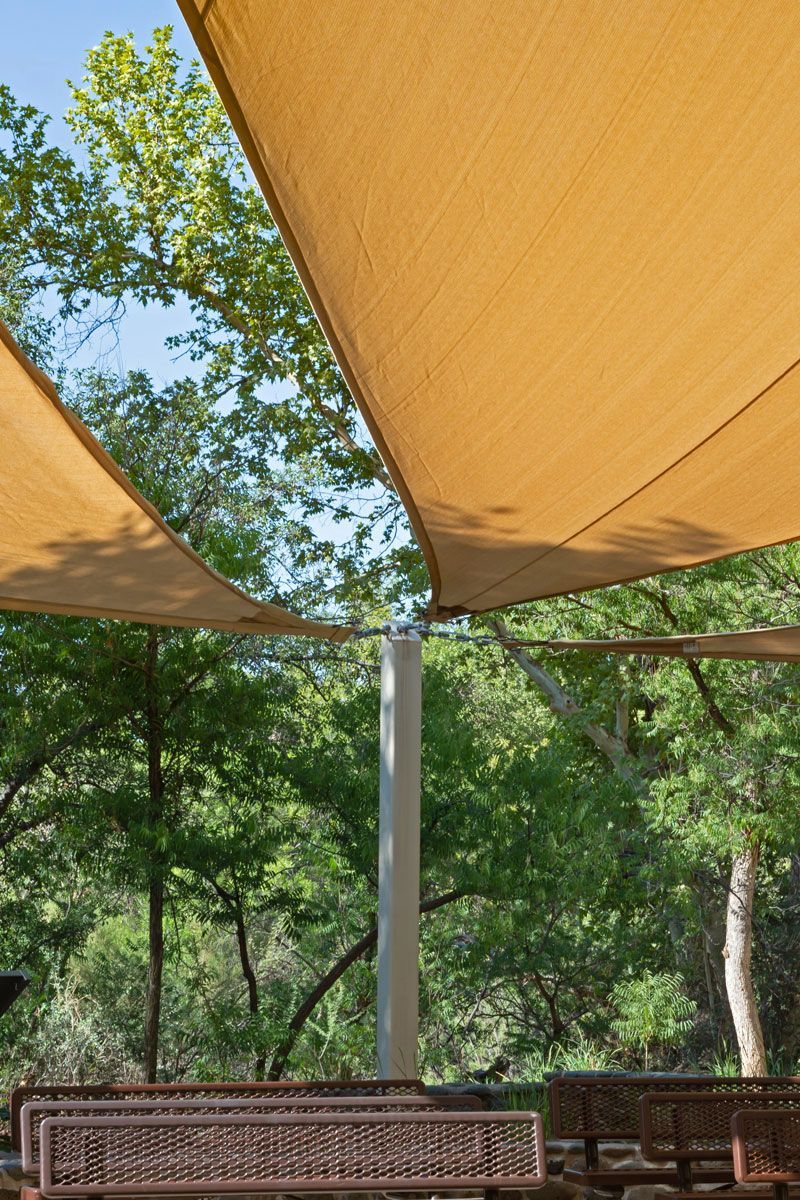
- Steel or aluminum posts – Often used when mounting to structures isn’t possible. These posts require engineered footings to handle constant tension and wind forces.
High-quality, corrosion-resistant materials are especially important in Phoenix, where heat and UV exposure can accelerate wear.
Why Occasional Re-Tensioning Is Necessary
Seasonal temperature changes cause both fabric and hardware to expand and contract. Over time, even a properly installed sail may lose some of its original tautness.
In most cases, a simple turnbuckle adjustment is all that’s needed, but skipping this maintenance and allowing the sail to slacken can shorten the life of the sail.
Re-tensioning ensures:
- The sail maintains proper shape and appearance
- Wind loads are distributed evenly
- Fabric doesn’t flap or rub against mounting hardware
- Stress isn’t transferred to posts or footings
Rigging and Hardware Checks
Beyond tensioning, periodic inspections of the rigging hardware are essential. Catching small issues early can prevent much larger and more expensive repairs later.
Installers typically check:
- Turnbuckles for proper alignment and thread engagement
- Shackles and connectors for wear or deformation
- Mounting points for loosened fasteners
- Signs of metal fatigue or corrosion
Post and Footing Inspection
Shade sail posts are under constant load, especially in high-wind conditions. Over time, soil movement or improper drainage can compromise post footings. These checks are particularly important after monsoon season or strong wind events.
A professional inspector will look for:
- Leaning or shifting posts
- Cracks in concrete footings
- Soil erosion around the base
- Changes in sail geometry that suggest movement
Shade Sail and Awning Maintenance Differences
While both provide shade, shade sails and awnings behave very differently. Awnings are rigid or semi-rigid systems with fixed frames. Shade sails, by contrast, rely entirely on tension and flexible fabric. This means:
- Shade sails require periodic re-tensioning; awnings typically do not
- Hardware inspection is more critical for sails
- Improper installation has a greater impact on performance with sails
FAQs About Shade Sail Tensioning
Do shade sails need to be re-tensioned periodically?
Yes. Most shade sails benefit from occasional re-tensioning, especially after extreme weather.
What should I do if my shade sail is sagging?
Sagging usually means the sail has lost tension. This can often be corrected by adjusting turnbuckles, but persistent sagging may indicate fabric stretch or footing issues.
Can I tension a shade sail myself?
Minor adjustments may be possible, but improper tensioning can damage the sail or hardware. Professional service ensures correct load distribution.
SERVING THE PHOENIX AREA FOR OVER 90 YEARS
Schedule Shade Sail Service With Our Team Today
Whether you shade sail needs seasonal re-tensioning, hardware inspection or post evaluation, professional service makes all the difference. Arizona Awnings specializes in properly installed and maintained shade structures designed for Phoenix weather.
Contact us at 602-252-3430 to schedule shade sail tensioning or maintenance.
