How Seasonal Sun Angles Affect Awning Performance in Arizona Homes
In Arizona, awnings aren’t just decorative add-ons; they’re functional tools for managing heat, glare and long-term sun damage. But not all awnings perform the same way year-round, and the reason comes down to seasonal sun angles.
Many homeowners think shade is simply about blocking sunlight from above. In reality, the sun’s position in the sky changes dramatically throughout the year, and those changes directly affect how well an awning performs.
Why Sun Angle Matters More Than Temperature
The sun’s path shifts higher in the sky during summer and lower during winter. This affects:
- How deeply sunlight penetrates patios and windows
- Whether an awning blocks light or allows it underneath
- Which parts of a home receive direct exposure throughout the day
An awning that works beautifully in July may allow significant sun exposure in December if seasonal angles weren’t considered during design.
Summer Sun: High Angles and Vertical Exposure
During Arizona summers, the sun travels high overhead, especially around midday. This is when heat gain is most intense, and when awnings are often expected to perform their heaviest workload. High-angle sun means:
- Overhang depth becomes critical
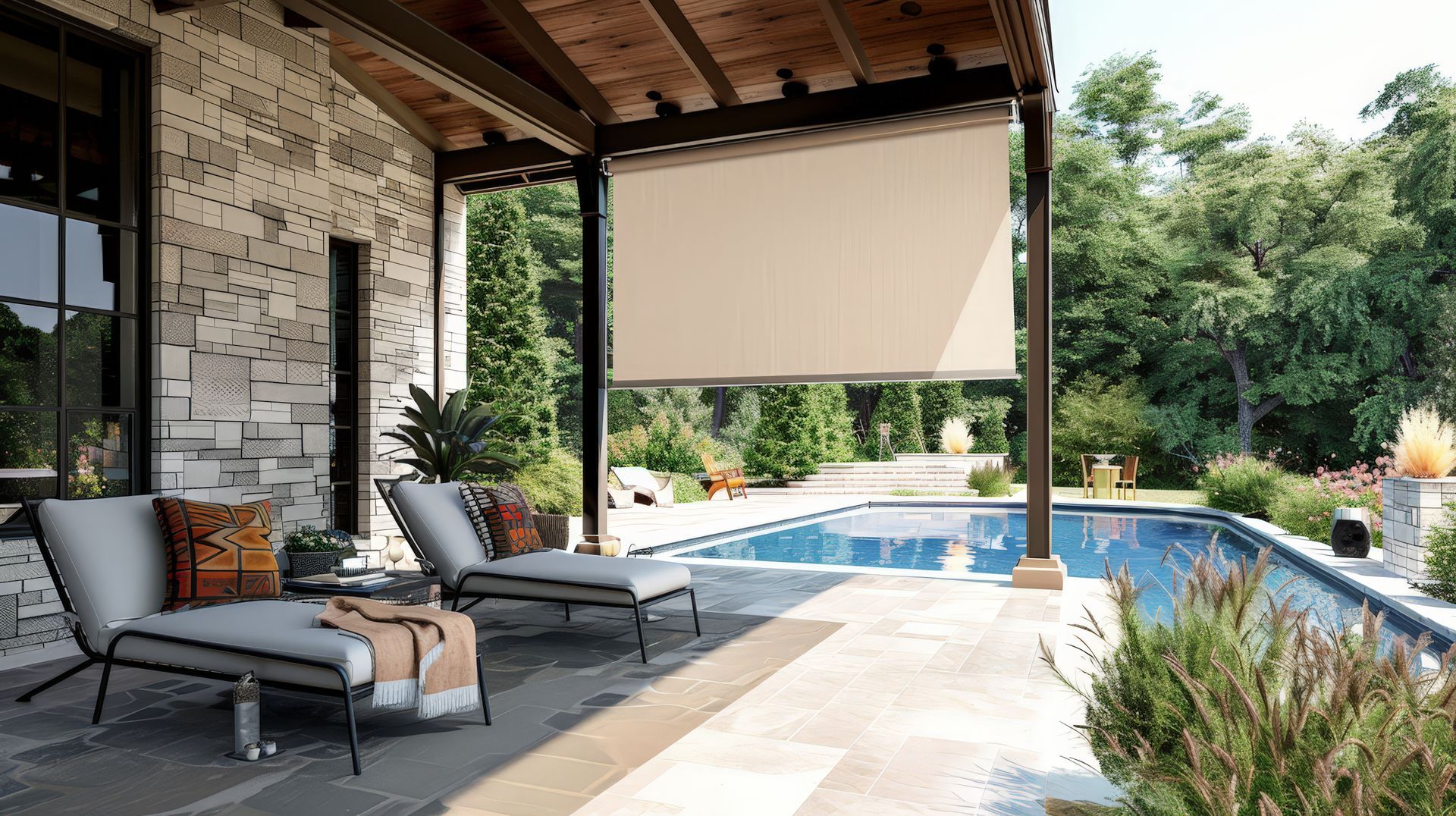
- Shade must project outward to block downward rays
- Windows and doors receive direct exposure from above
Properly sized awnings excel in summer by shading glass surfaces before sunlight enters the home, reducing indoor heat buildup and easing strain on cooling systems.
Winter Sun: Low Angles and Horizontal Penetration
During winter, the sun sits lower on the horizon, especially in the morning and late afternoon. This low-angle sunlight travels under and across shade structures, reaching areas that remain shaded all summer. Low winter sun can:
- Slip beneath shallow awnings
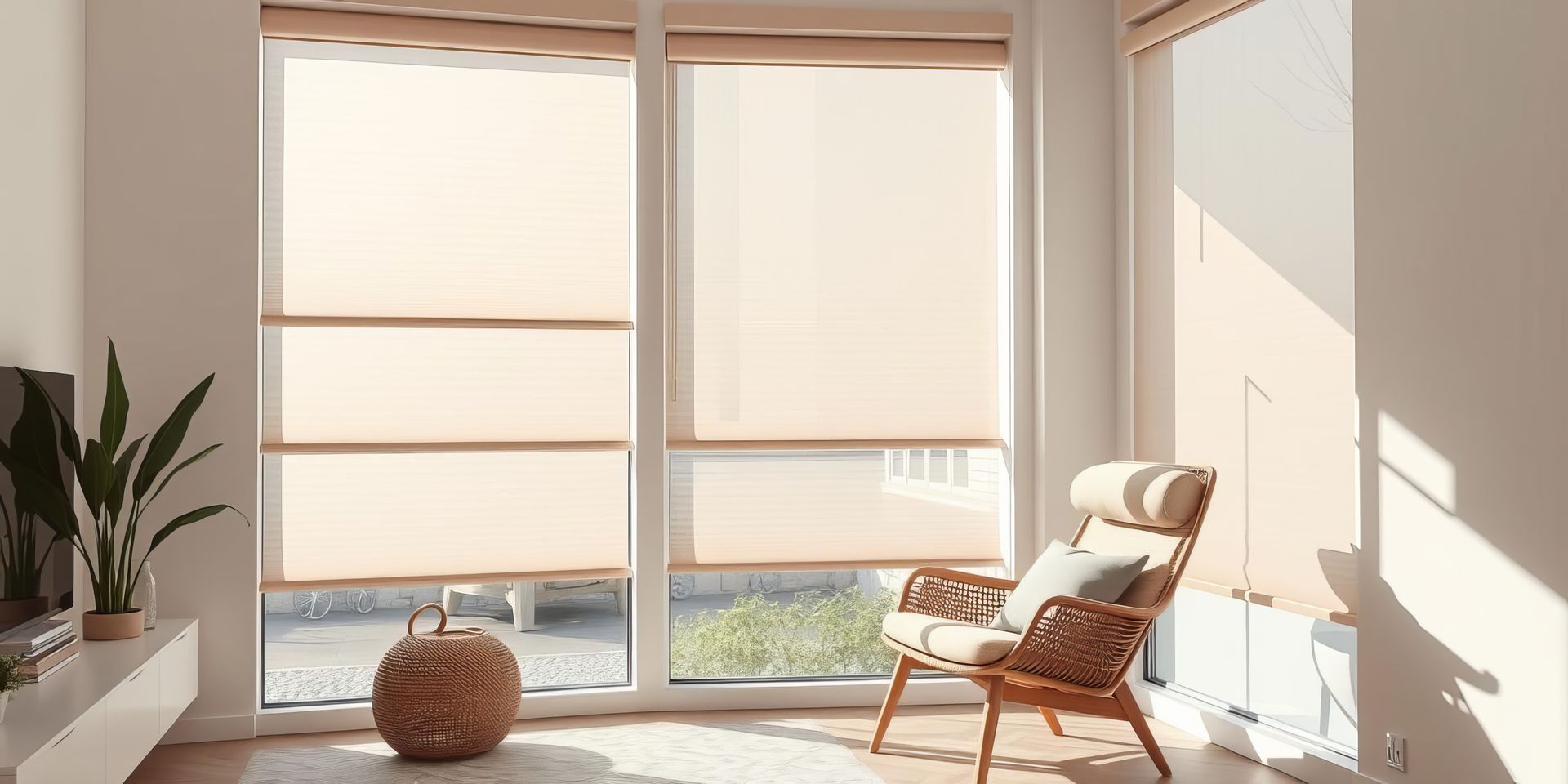
- Strike windows from the side
- Create glare inside living spaces
- Fade furniture and finishes unexpectedly
From a comfort standpoint, winter sun can be welcome, but from a material protection standpoint, it still carries UV radiation and long-term wear risks.
Overhang Depth Is an Important Design Factor
One of the most important technical elements of awning performance is overhang depth, or how far the awning extends outward from the building.
Shallow overhangs:
- May block high summer sun
- Often fail against low winter angles
- Provide limited afternoon protection on west-facing walls
Deeper overhangs:
- Offer broader seasonal coverage
- Reduce sun penetration during shoulder seasons
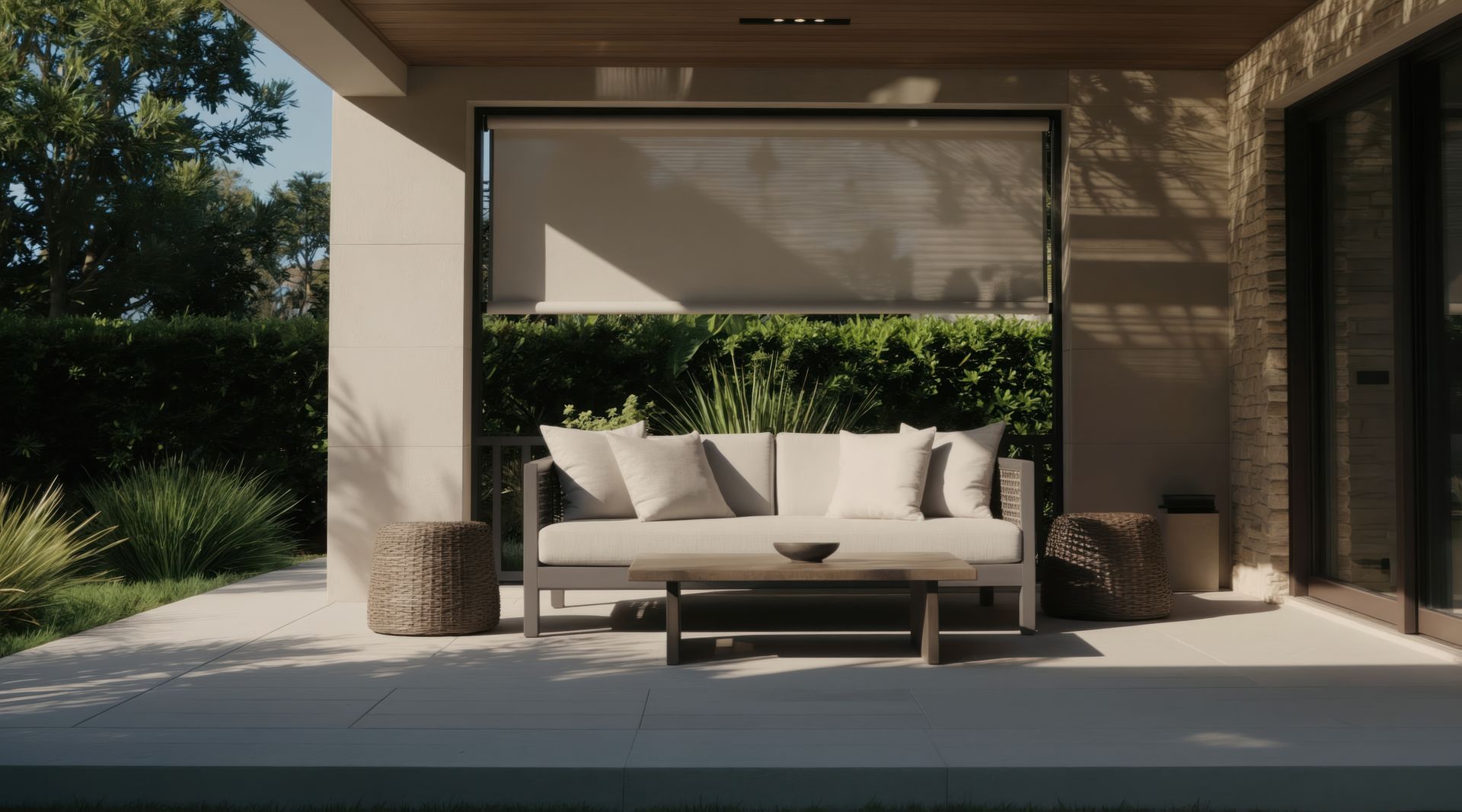
- Improve glare control during mornings and evenings
The ideal depth depends on window height, wall orientation and how the space is used throughout the year.
Awning Orientation Considerations
- South-facing exposures: These receive the most consistent sun year-round. Properly designed awnings can block intense summer sun while allowing some winter warmth if desired.
- West-facing exposures: Often the most challenging. Afternoon sun sits lower and delivers intense glare and heat. Deeper or angled awnings are usually required here.
- East-facing exposures: Morning sun is lower and softer, but still contributes to glare and UV exposure. Shade placement here focuses more on comfort than heat reduction.
Fixed vs. Adjustable Awnings and Seasonal Performance
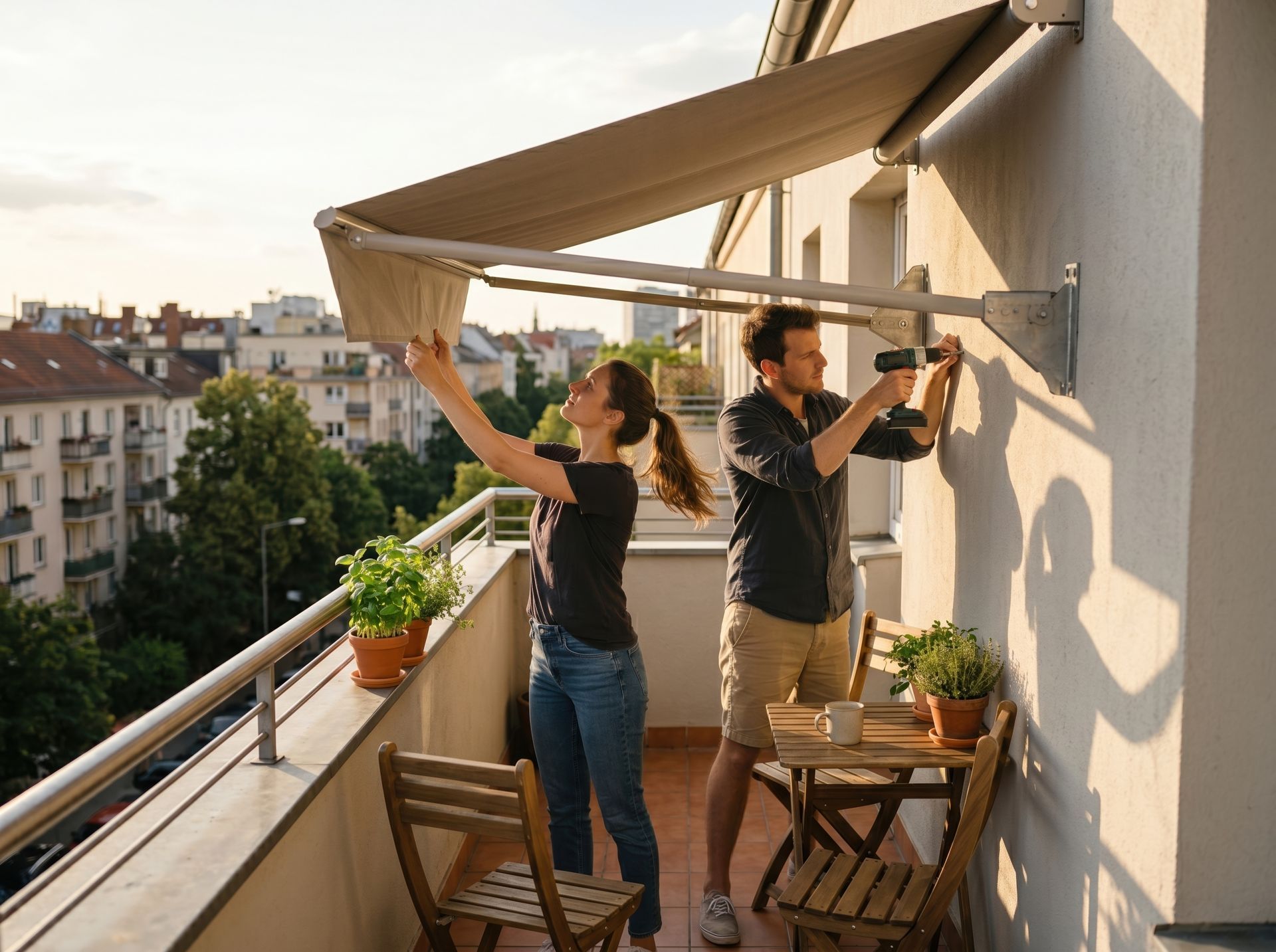
Fixed awnings are designed around predictable sun paths, but adjustable systems add flexibility. Adjustable or retractable awnings allow homeowners to:
- Extend coverage during peak summer months
- Adjust angles for low winter sun
- Retract shade when sunlight is desired
- Adapt to changing seasonal use patterns
Planning for Comfort, Protection and Efficiency
When seasonal sun angles are considered properly, awnings deliver multiple benefits:
- Reduced indoor heat gain in summer
- Improved glare control year-round
- Extended life of furniture and finishes
- More usable outdoor spaces in every season
The goal is to control when, where and how sunlight enters your space, not eliminate it entirely.
Shade Solutions Designed for Arizona Sun
Arizona Awnings specializes in custom awning solutions that account for seasonal sun angles, home orientation and overhang performance. Our team helps home and business owners design shade systems that perform effectively in both summer and winter.
Contact us at 602-252-3430 to explore residential and commercial awning options designed specifically for Phoenix’s unique sun paths and year-round exposure.