Designing Shade That Complements Southwestern Architecture (Without Looking Dated)
Southwestern architecture is designed to feel grounded in the desert—simple forms, natural materials, and warm, earthy tones that look like they belong in the landscape. The right shade solution should follow that same philosophy: it should improve comfort and energy efficiency while looking like a natural extension of the building, not an add-on.
Below are practical design guidelines for choosing window awnings, patio awnings, and shade structures that complement Southwestern homes and commercial buildings—without creating a “dated” look.
Southwestern Architecture: What You’re Designing For
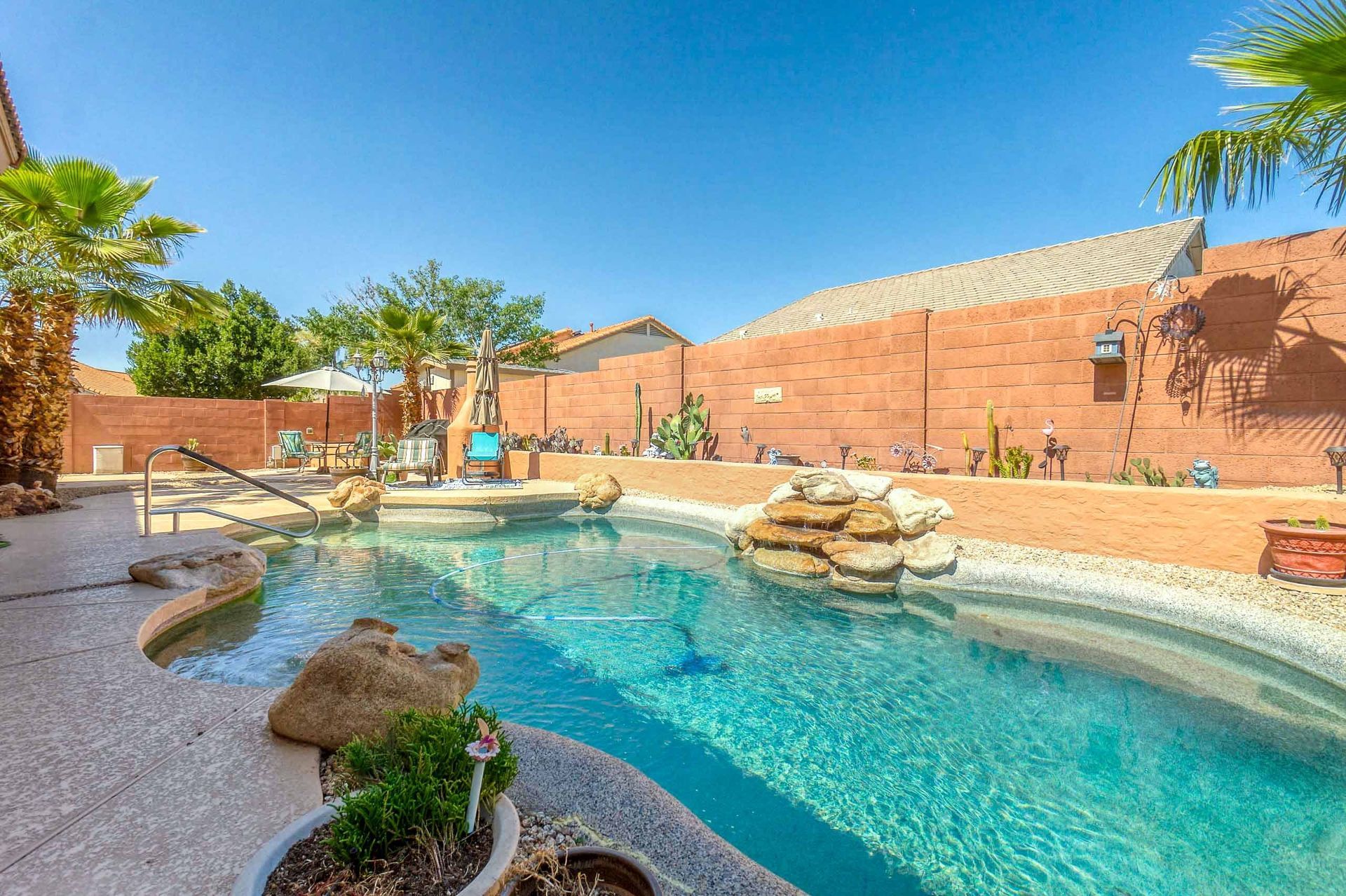
Southwestern style is rooted in simplicity, natural materials, and earthy color palettes. Common features include:
- Neutral stucco exteriors in beige, sand, or adobe tones
- Clay or concrete tile roofing
- Rounded edges and soft architectural lines
- Wood accents such as vigas or beams
- A strong emphasis on blending into the desert surroundings
Instead of standing out, awnings and shade structures should feel intentional—proportional to the openings they cover, aligned with architectural lines, and visually consistent with the building’s palette and texture.
Avoiding the “Dated” Look
One of the biggest mistakes homeowners and business owners make is choosing shade products that were popular decades ago but do not align with current design trends. Heavy stripes, overly ornate valances, or overly bright, artificial colors can make a property feel stuck in the past—even if the home itself is beautifully maintained.
Modern Southwestern design leans toward cleaner lines and subtle detailing. That doesn’t mean eliminating character; it means refining it so the shade feature looks curated rather than decorative.
- Choose streamlined valance styles instead of overly decorative edges
- Avoid high-contrast patterns that fight against stucco texture
- Opt for solid colors or understated textures rather than bold prints
Arizona Awnings offers a wide range of valance styles and fabric options, allowing you to customize the look without compromising on design integrity. The goal is a shade feature that feels current and cohesive—not like an afterthought.
Choosing Colors That Work With the Desert Palette
Color selection is one of the most important aspects of designing a complementary shade solution. Southwestern architecture draws heavily from the natural environment, so your awning should do the same.
Instead of trying to match colors exactly, aim for harmony. Earth tones tend to work best, including:
- Warm browns and tans
- Muted reds and terracottas
- Soft grays and sand tones
- Deep greens inspired by desert plants
These hues blend naturally with stucco exteriors and tile roofs, creating a cohesive look. High-quality fabrics—such as those offered by Arizona Awnings—are designed to resist fading and maintain color even under intense Arizona sun exposure, which helps the installation keep a fresh, modern appearance over time.
Material Selection and Texture
Southwestern design emphasizes texture just as much as color. Smooth stucco, rough wood, and natural stone all contribute to the overall aesthetic. Your shade solution should complement these textures, not clash with them.
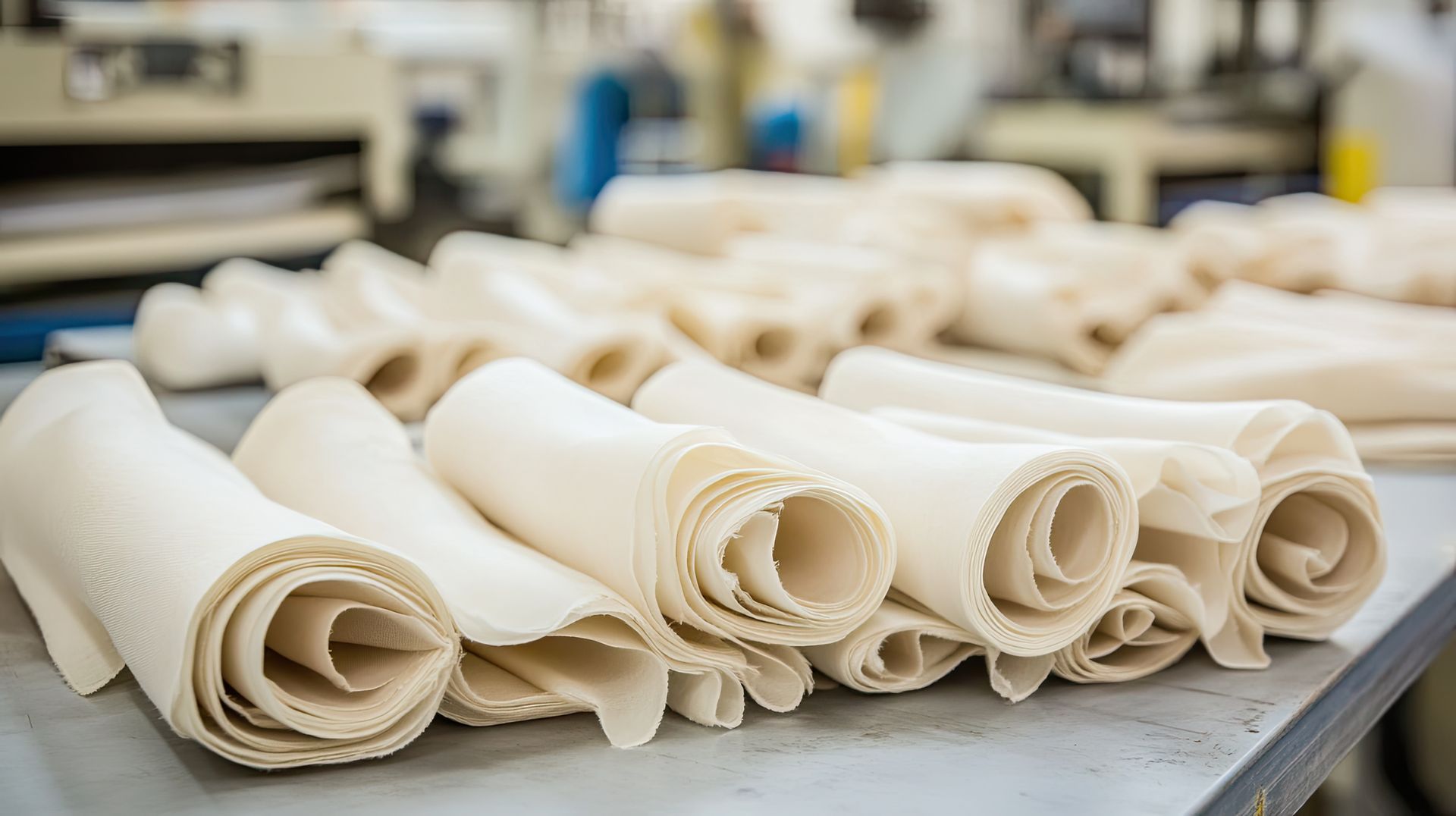
Fabric awnings are often the best choice because they provide a softer, more natural look compared to rigid metal structures. They also diffuse light in a way that enhances outdoor comfort without creating harsh shadows.
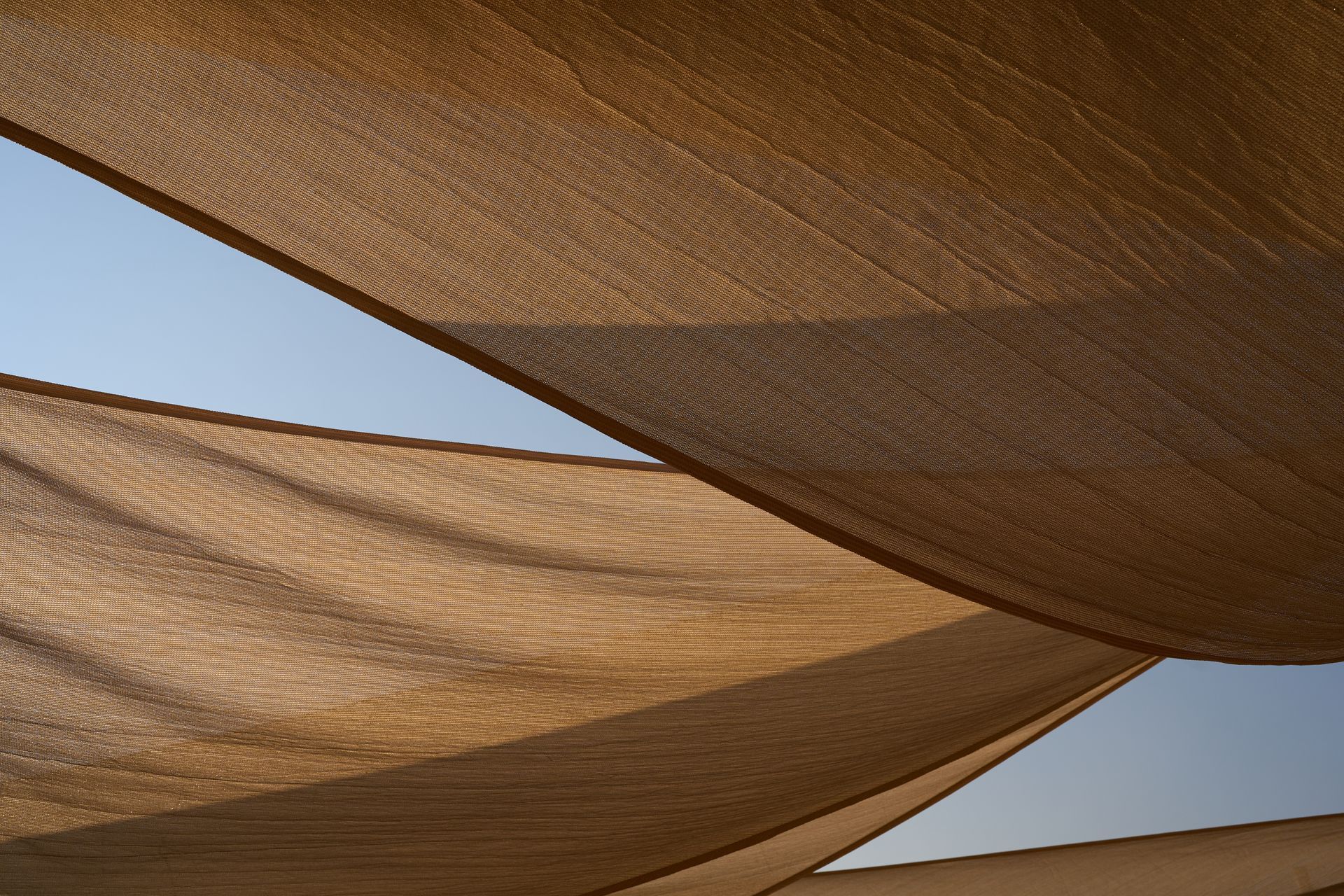
For larger areas, shade sails or patio cover awnings can be designed with subtle contours or layered heights to add visual interest while still maintaining a clean, modern feel. The key is balance: substantial enough to perform, light enough not to overpower the architecture.
Designing for HOA Compliance Without Sacrificing Style
In many Arizona neighborhoods, homeowners associations have strict guidelines regarding exterior modifications. These rules often dictate acceptable colors, materials, and even the size or placement of awnings.
While this may seem limiting, it can actually lead to better design decisions. HOA-friendly shade solutions tend to favor:
- Neutral, approved color palettes
- Clean, simple shapes
- Minimal visual disruption to the home’s original design
A company experienced in designing and installing awnings that meet HOA requirements can make the process much easier. Arizona Awnings specializes in custom solutions that meet both aesthetic goals and community guidelines, helping streamline approval and installation.
Blending Modern Function With Timeless Style
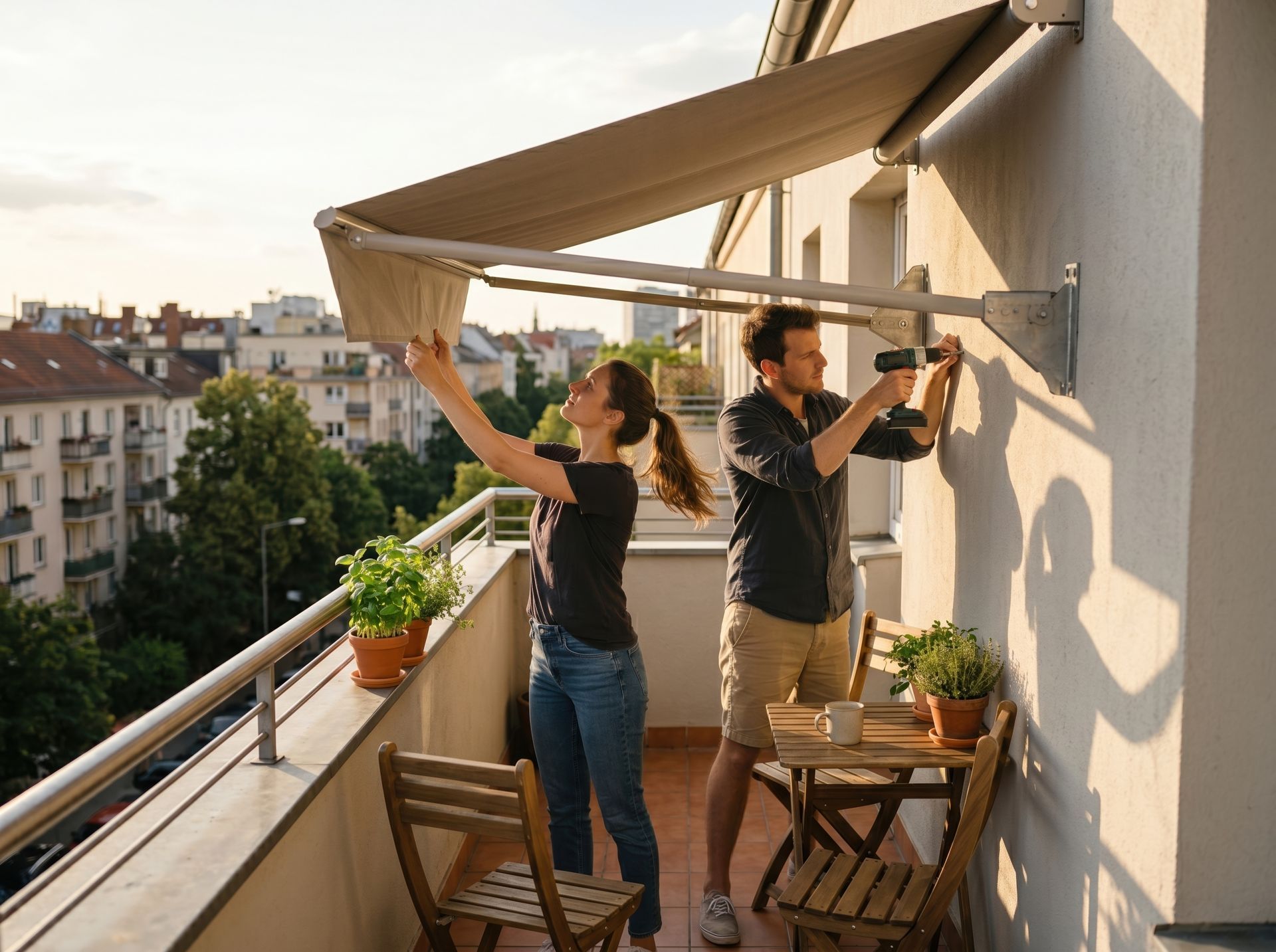
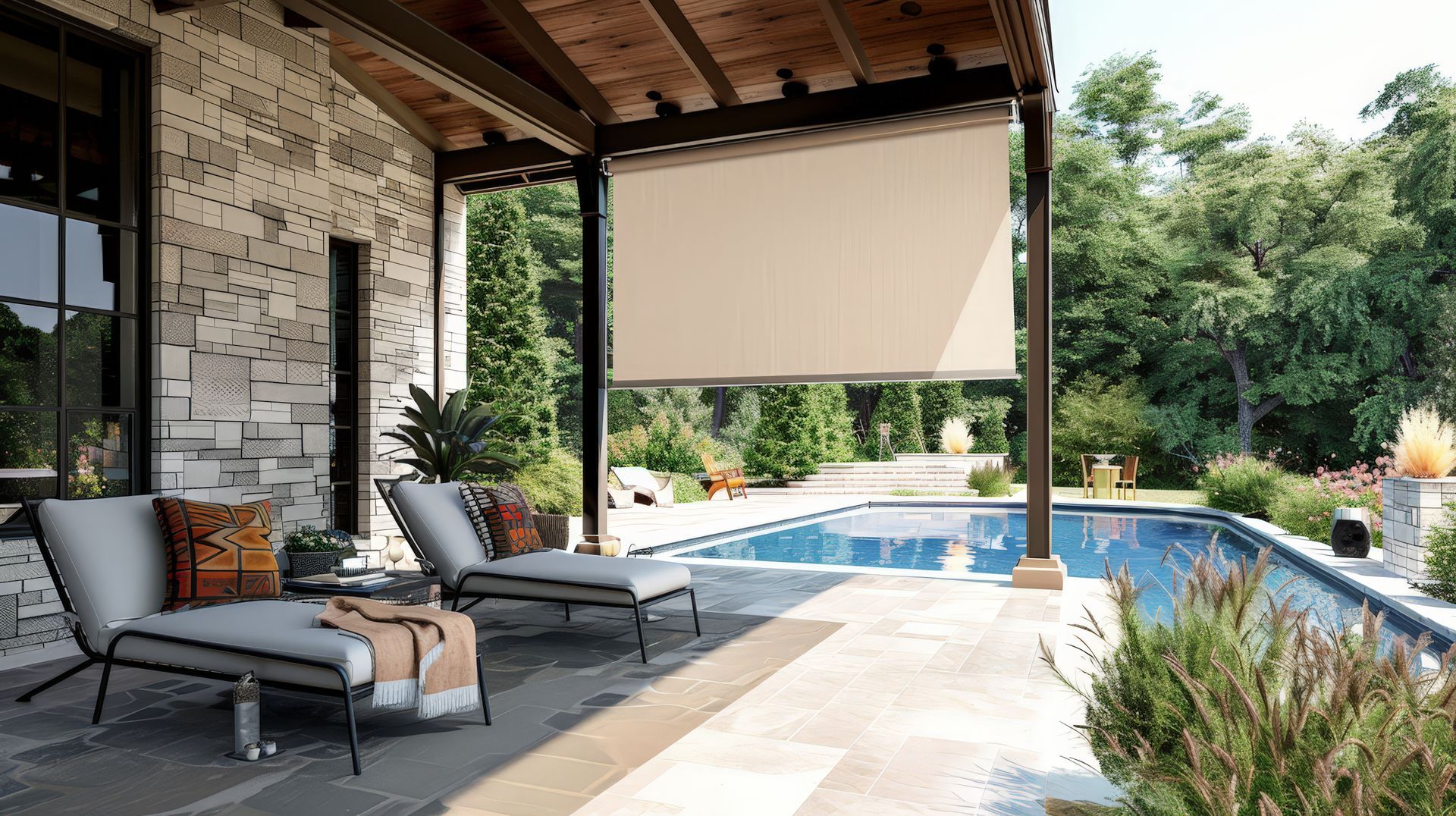
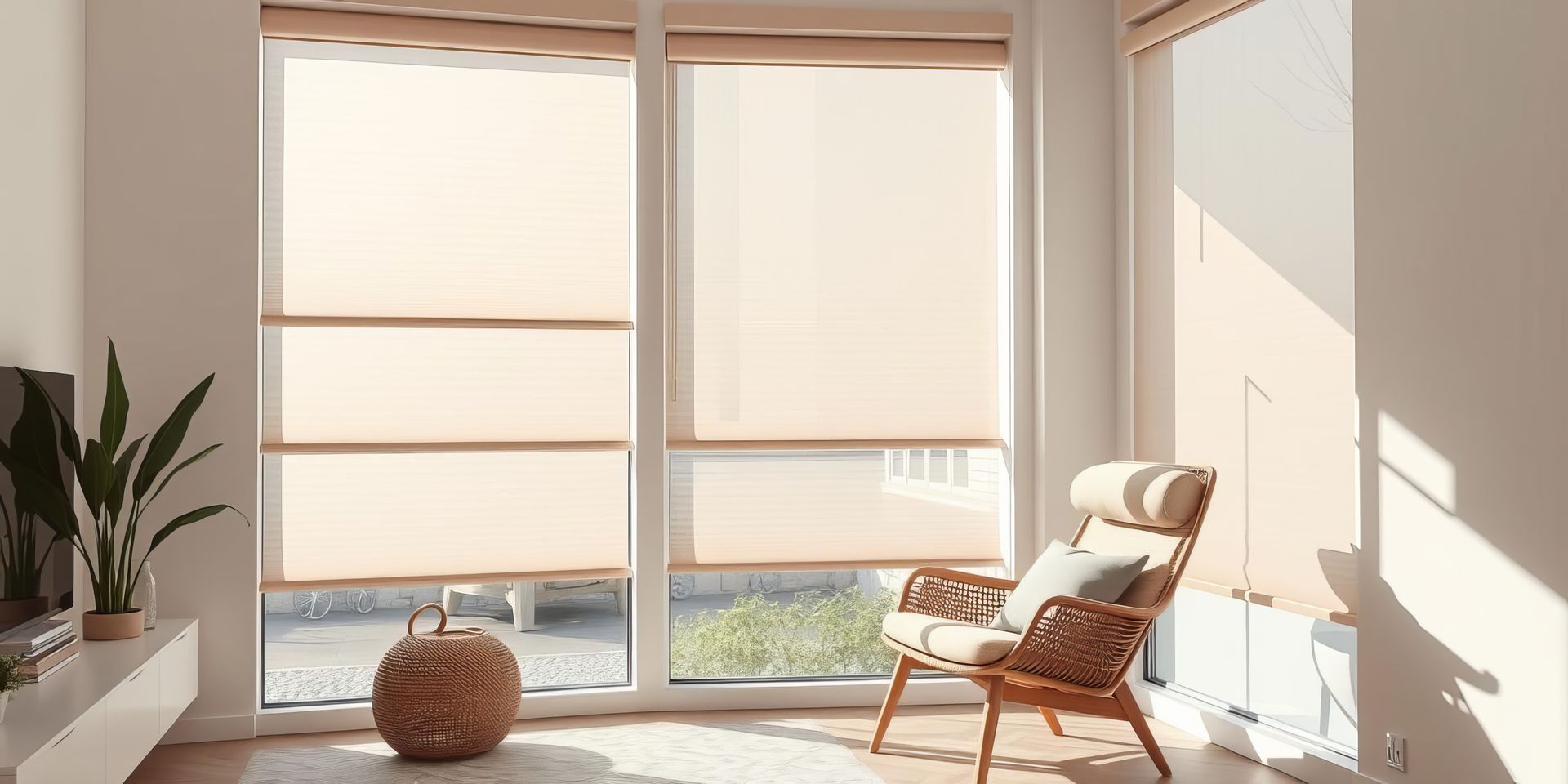
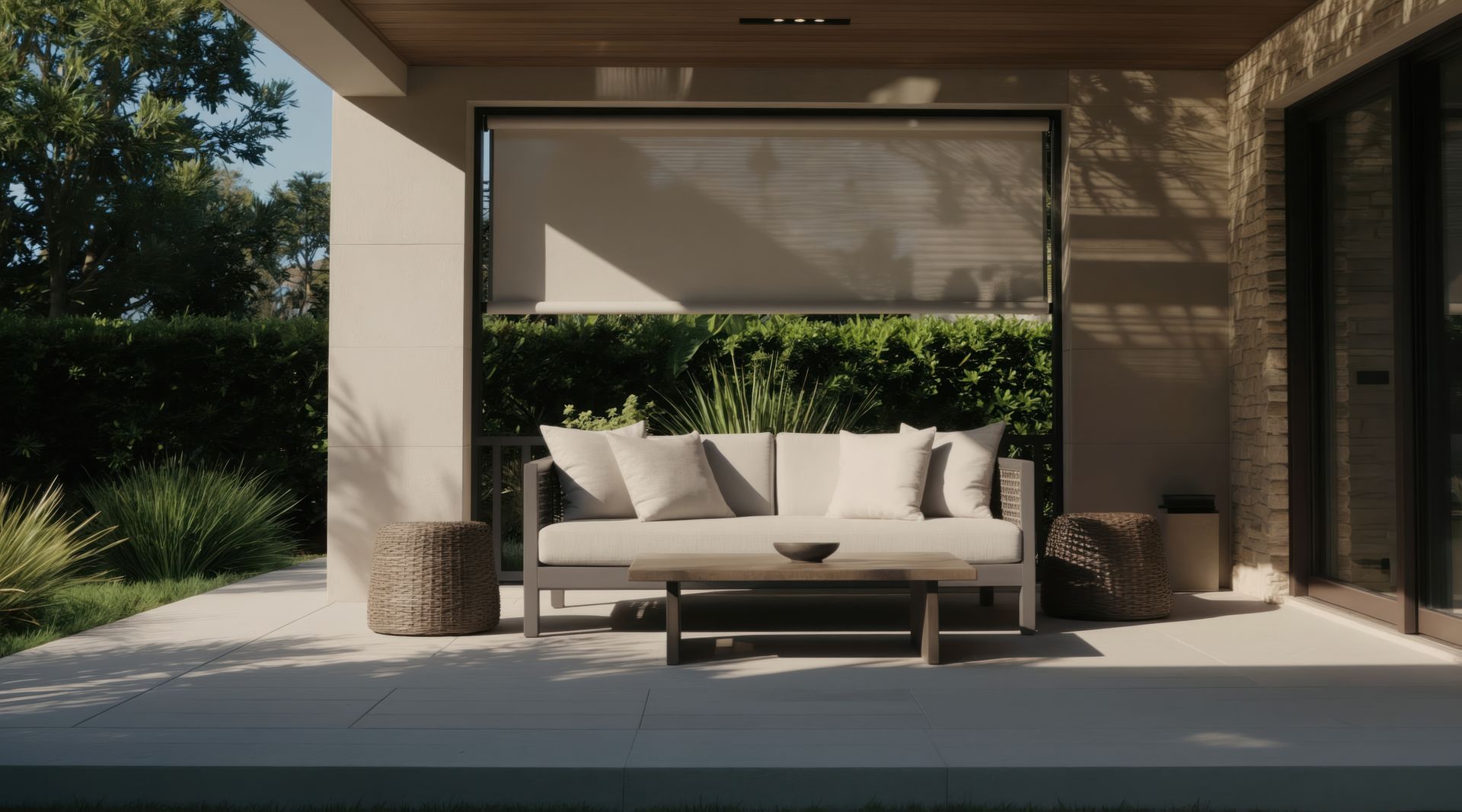
Retractable awnings are especially well-suited to Southwestern living, where patios and outdoor spaces are used year-round. Whether you’re shading a patio, reducing heat gain through windows, or creating a more comfortable outdoor seating area, modern awnings can enhance both form and function.
At the same time, these systems can remain visually subtle. Clean frames, high-quality fabrics, and thoughtful placement ensure the shade solution integrates seamlessly with the architecture rather than competing with it.
Add Shade to Complement Your Southwestern Home or Business in Phoenix
At Arizona Awnings, we specialize in creating custom solutions tailored to your space. Call 602-252-3430 today to schedule your free on-site estimate and bring a modern, architecturally aligned shade design to your property.