Fabric vs. Metal Awnings in Arizona: How Heat Cycles Impact Longevity
Arizona is one of the harshest testing grounds for exterior shading systems in the country. Triple-digit summers, intense UV exposure, and dramatic temperature swings between day and night create expansion and contraction cycles that punish materials year after year.
In this environment, both fabric and metal awnings can perform well, but each responds differently to prolonged heat exposure and daily temperature swings.
Arizona Heat Cycles and Material Movement
In much of Arizona, surface temperatures on sun-exposed materials can exceed 160°F during peak summer afternoons. Even modest overnight temperature drops create daily expansion and contraction cycles.
Over time, this movement impacts fasteners, seams, welds, and attachment points.
Metal Awnings and Thermal Expansion
Metal expands when heated and contracts when cooled. That movement occurs anywhere temperatures fluctuate, but in Arizona’s climate, high surface temperatures and consistent sun exposure intensify the daily cycle for much of the year. If the awning is not engineered with proper expansion allowances, several issues can develop:
- Fastener stress and loosening
- Oil-canning or visible surface waviness
- Joint fatigue at seams or panel transitions
- Coating micro-fractures over time
Aluminum expands more than steel under temperature changes, but it also resists corrosion better. Steel is more rigid but requires strong protective coatings in desert environments.
Well-designed metal awnings account for thermal movement with slotted fastener holes, floating attachment systems, and reinforced structural framing.
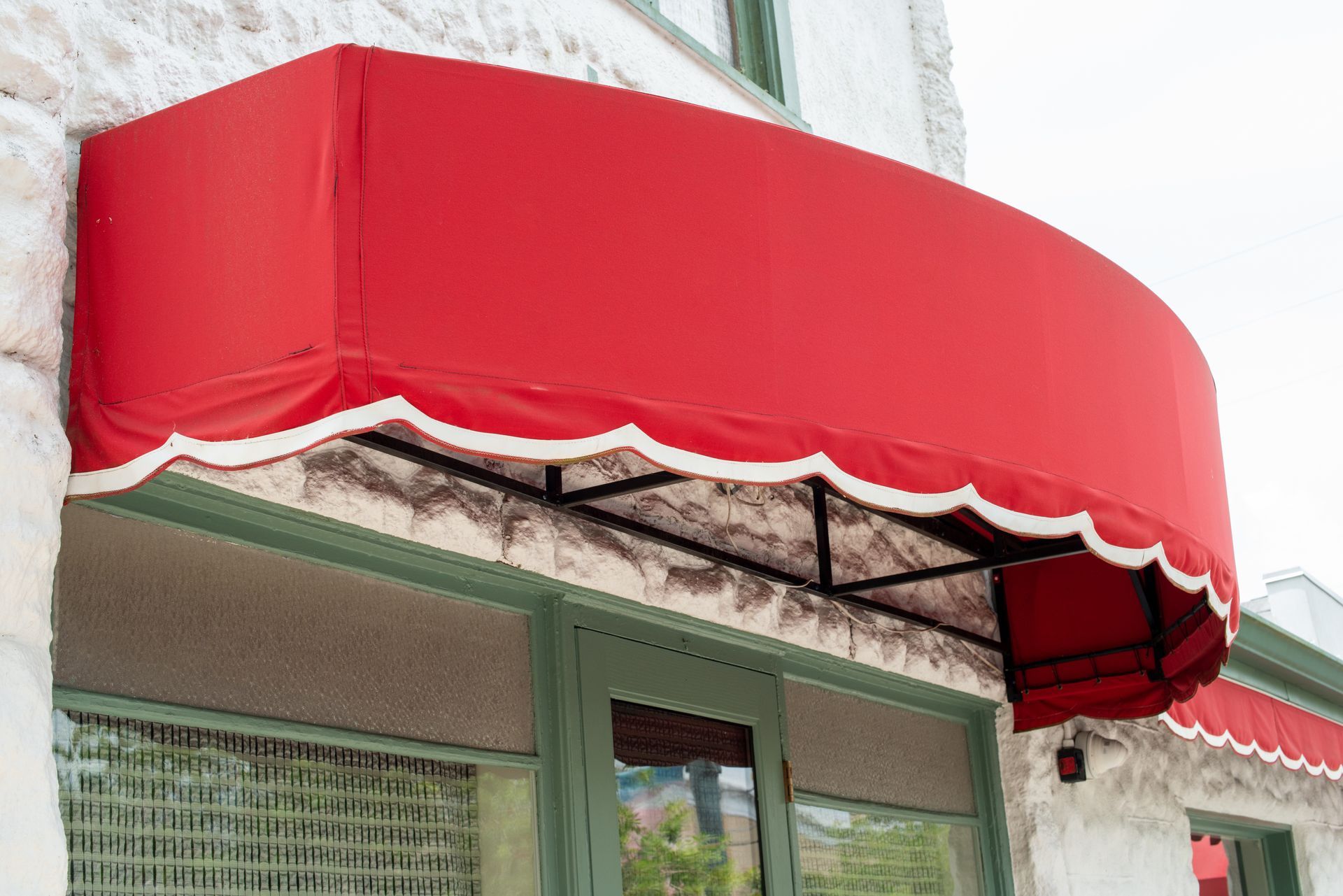
Fabric Awnings and Heat Response
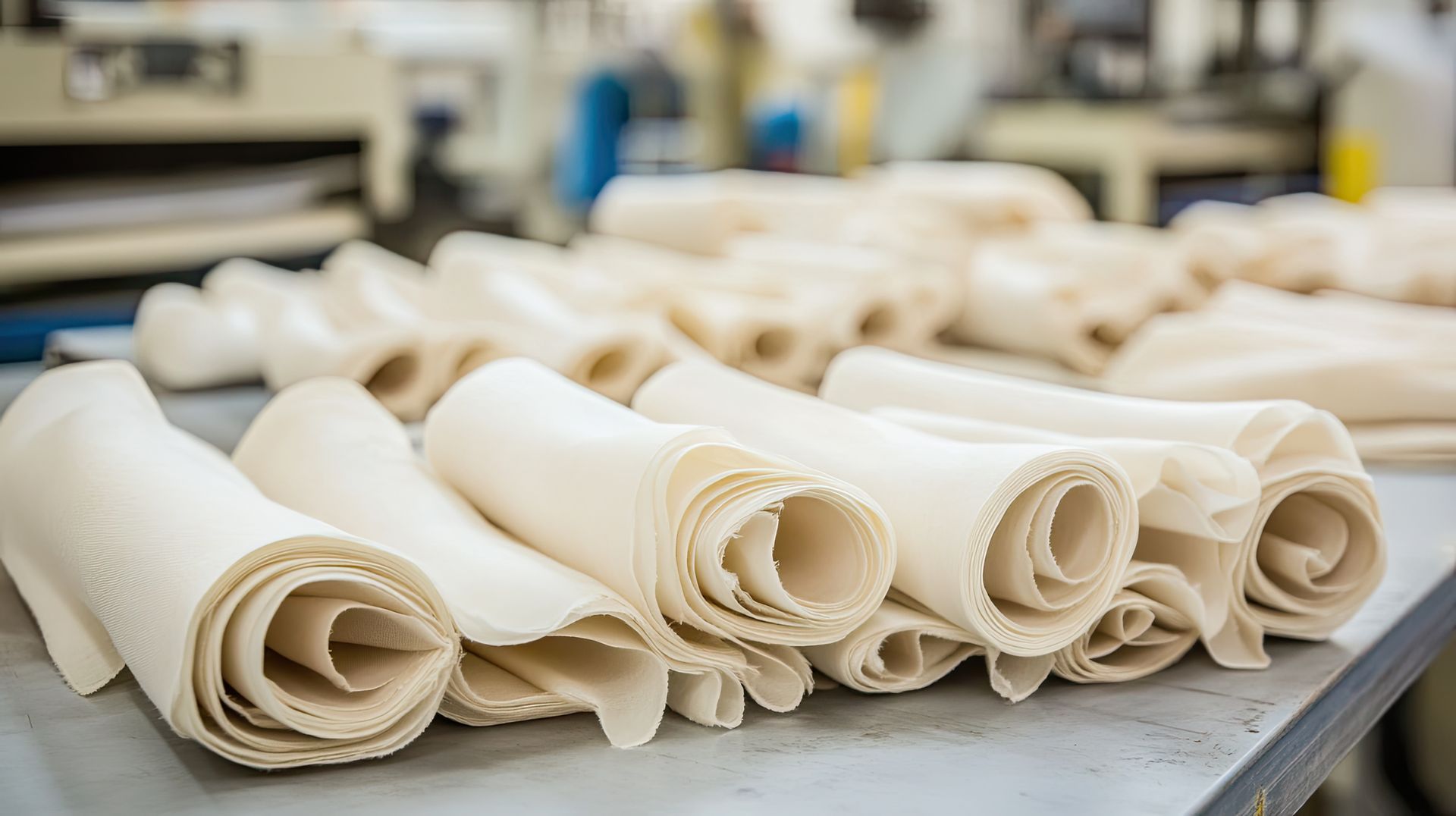
Fabric behaves differently. Rather than expanding rigidly, architectural fabric can relax and tension with temperature changes. However, heat and UV exposure break down fibers over time.
In Arizona, the concern with fabric is not structural expansion. It is material degradation.
UV Degradation: The Silent Performance Factor
Arizona receives some of the highest UV index levels in the United States. UV radiation breaks down both organic and synthetic materials.
Fabric Awnings and UV Exposure
Solution-dyed acrylic and PVC-coated fabrics are engineered to resist fading and fiber breakdown. Still, prolonged UV exposure eventually leads to:
- Color fading
- Loss of tensile strength
- Surface chalking or brittleness
- Seam failure at high-tension points
Lower-grade fabrics deteriorate quickly under the Arizona sun. Premium architectural fabrics with UV inhibitors and heat-reflective properties perform significantly longer but still have a defined service life.
Metal Awnings and UV Exposure
Metal itself does not degrade from UV radiation. The vulnerability lies in the coating system.
Powder-coated finishes and high-performance paint systems protect against:
- Oxidation
- Fading
- Surface corrosion
- Coating breakdown
Inadequate coatings can chalk, fade, or peel under prolonged UV stress. Once the coating fails, substrate corrosion becomes a concern, particularly for steel systems.
In Arizona, coating quality often determines whether a metal awning lasts 10 years or 25 years.
Surface Temperatures and Heat Retention
Material choice also affects heat transfer and energy performance.
Metal absorbs and radiates heat quickly. Dark-colored metal awnings can become extremely hot to the touch, increasing thermal load beneath the canopy if not ventilated properly. Lighter colors and reflective coatings reduce this effect.
Fabric awnings generally absorb less heat at the surface and allow some air permeability, which can reduce heat buildup underneath. However, lower-tension systems may sag over time under repeated heat exposure.
Maintenance and Lifecycle Cost
Fabric Awnings Lifecycle Considerations
- Fabric replacement is typically required within 8 to 15 years, depending on quality
- Periodic re-tensioning may be needed
- Seams and stitching are potential failure points
- Periodic cleaning can reduce dirt buildup
The frame structure often outlasts the fabric, but re-skinning adds to long-term cost.
Metal Awnings Lifecycle Considerations
- Minimal structural maintenance if properly engineered
- Coating longevity is critical
- Occasional repainting or refinishing may be required after extended exposure
- Higher upfront cost in many cases
Service life depends heavily on material thickness, coating system and fabrication quality.
Choosing Based on Application
Both materials can perform well when properly engineered. Heat cycles and UV exposure are factors to account for, but long-term performance ultimately depends on fabrication quality, attachment methods, and proper installation.
For many Arizona Awnings clients, the choice between fabric and metal awnings begins with design goals. Fabric awnings are often selected for:
- Retail storefronts needing bold color branding
- Hospitality environments seeking softer architectural lines
- Residential projects where color flexibility and visual warmth matter
Metal awnings are frequently chosen for:
- Commercial buildings seeking a clean, contemporary look
- Multifamily or institutional projects with standardized specifications
- Applications where rigid panel construction aligns with the building design
Get the Right Awning System for Arizona’s Climate
The desert climate does not reward shortcuts. Whether choosing fabric or metal, the quality of material, coating system, and installation detail will determine longevity.
If you are planning a new awning installation or evaluating replacement options, contact Arizona Awnings at 602-252-3430 to discuss a shading system engineered for Phoenix’s climate and built for long-term performance.