How Wind Exposure Should Influence Awning Design in Arizona Neighborhoods
Designing an awning in Arizona is not just about blocking the sun. Wind exposure plays a major role in how well an awning performs, how long it lasts, and how safe it is. Throughout the Phoenix metro area, sudden gusts, monsoon storms, and neighborhood-specific airflow patterns make wind one of the most important design considerations.
Every property has its own wind conditions, and ignoring those differences can lead to premature wear, structural issues, or even total failure.
Wind Loads Are Stronger Than Most People Realize
Wind is often the most critical structural factor in awning design. As wind speed increases, the force applied to an awning grows exponentially. In fact, wind pressure increases with the square of wind speed, meaning a small jump in wind velocity can dramatically increase stress on the frame and fabric.
Microclimates Are a Real Concern in Phoenix Neighborhoods
Not all neighborhoods experience wind the same way. Microclimates can dramatically affect how wind behaves around your property.
Nearby buildings, open desert areas, trees, and elevation changes all influence airflow. Research shows that surrounding structures can alter wind speed and direction significantly, sometimes changing airflow patterns by as much as 50 to 85 percent.
In practical terms, a home tucked into a dense neighborhood may experience reduced wind pressure, while a property near open land or at the edge of a development may be far more exposed.
This is why custom site evaluation is essential. Awnings need to be designed based on the specific wind conditions of the property, not just general regional assumptions.
Corner Lots and Open Exposure
Corner lots are one of the most overlooked risk factors in awning design. With fewer wind barriers, these properties are exposed to airflow from multiple directions. This creates two challenges:
- Higher wind speeds hitting the awning directly
- Increased uplift forces from shifting wind angles
Wind does not just push against an awning; it can also lift it upward or create pressure underneath. These opposing forces, known as drag and lift, must both be accounted for in the design.
For corner properties, strong mounting systems and frames, as well as carefully selected angles, are often necessary to maintain stability.
Building Height and Wind Acceleration
Height also plays a significant role in wind exposure. The taller the building, the more wind it encounters and the faster that wind can move.
For commercial properties or multi-story homes, awnings installed higher up are subjected to stronger and more consistent airflow. This increases:
- Structural stress on mounting points
- Fabric tension and potential for tearing
- Risk of oscillation or movement over time
In these cases, durable materials and engineered support systems are essential. A lightweight or improperly supported awning may look fine initially, but may not last long under constant wind stress.
Orientation and Wind Direction
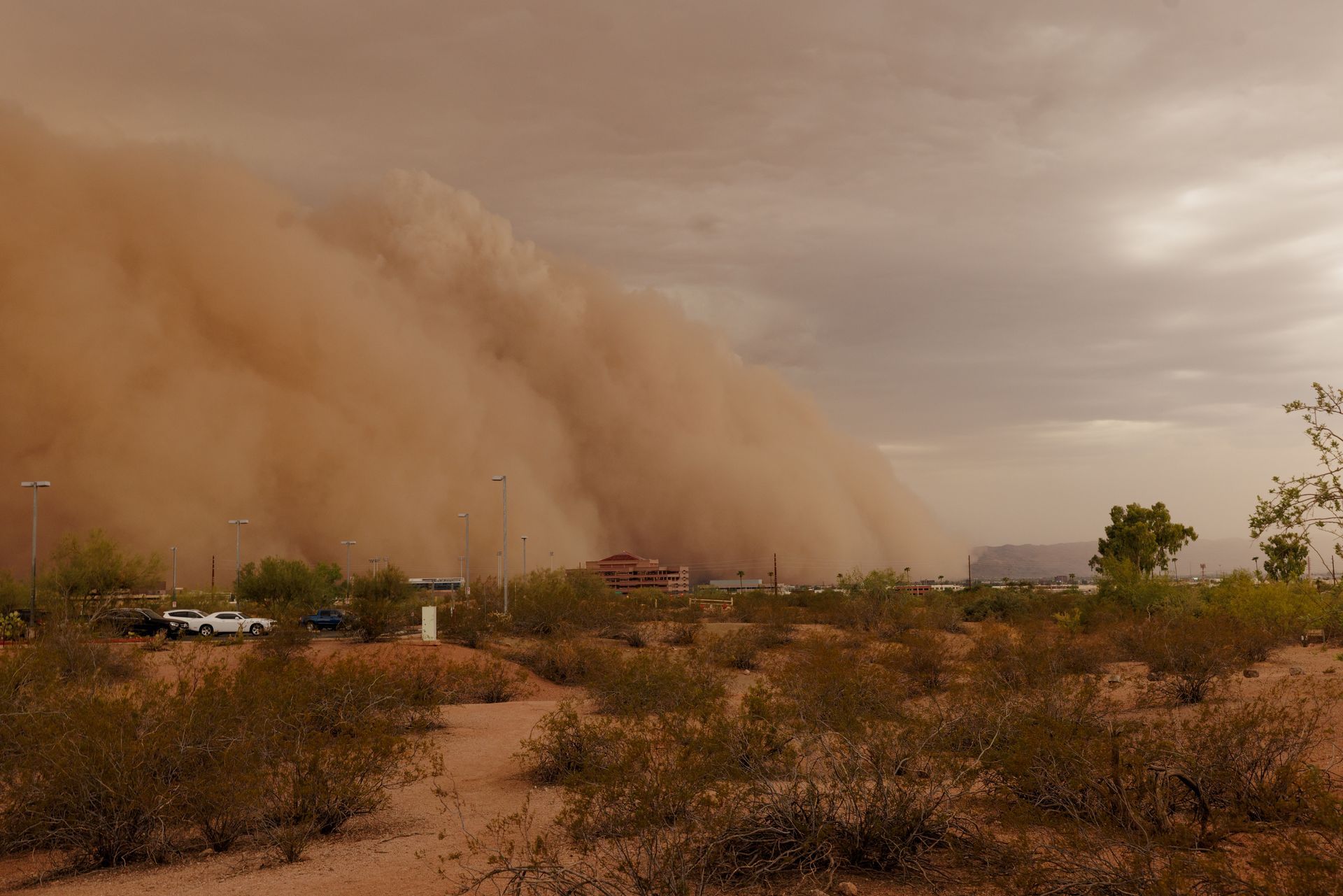
Arizona’s wind patterns are not constant. Seasonal shifts, especially during monsoon season, bring unpredictable gusts that can come from multiple directions.
Awnings installed on south- or west-facing exposures are already dealing with intense sun, but when wind is added to the equation, the design must balance both factors.
This is where elements like pitch angle, projection, and openness come into play. For example:
- A steeper angle may reduce uplift but increase direct wind pressure
- A flatter angle may catch less wind but allow more movement
- Open-sided designs can reduce resistance compared to fully enclosed shapes
There is no universal “best” setup. The right design depends on how wind interacts with the specific structure.
Why Customization Is Essential
Our awning design and installation professionals at Arizona Awnings customize every awning to ensure it looks great, provides consistent, dependable shade, and can stand up to monsoon season winds.
From selecting the right frame style to choosing durable, high-performance fabrics and hardware, customization ensures that the awning is not only visually appealing but structurally sound.
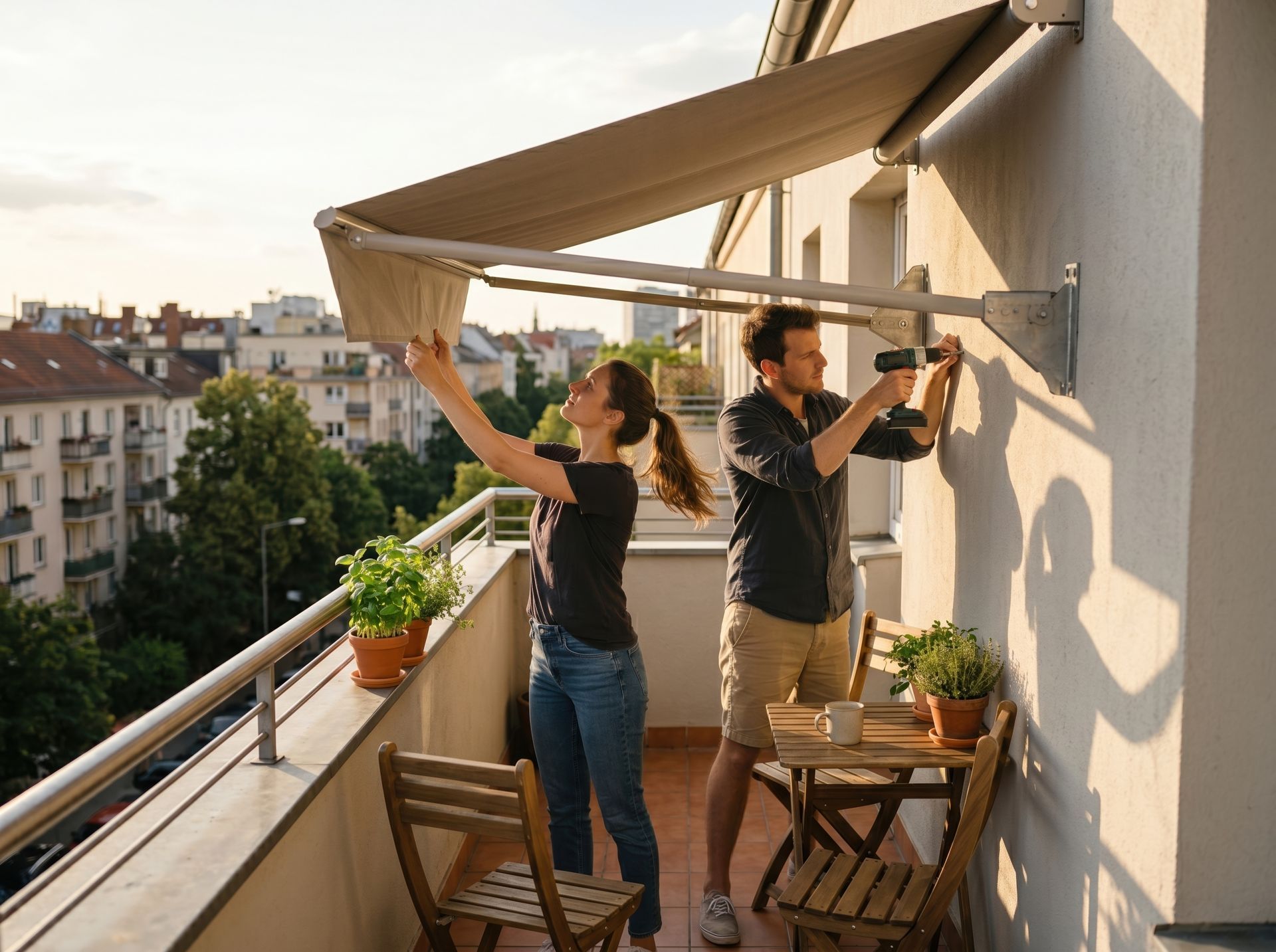
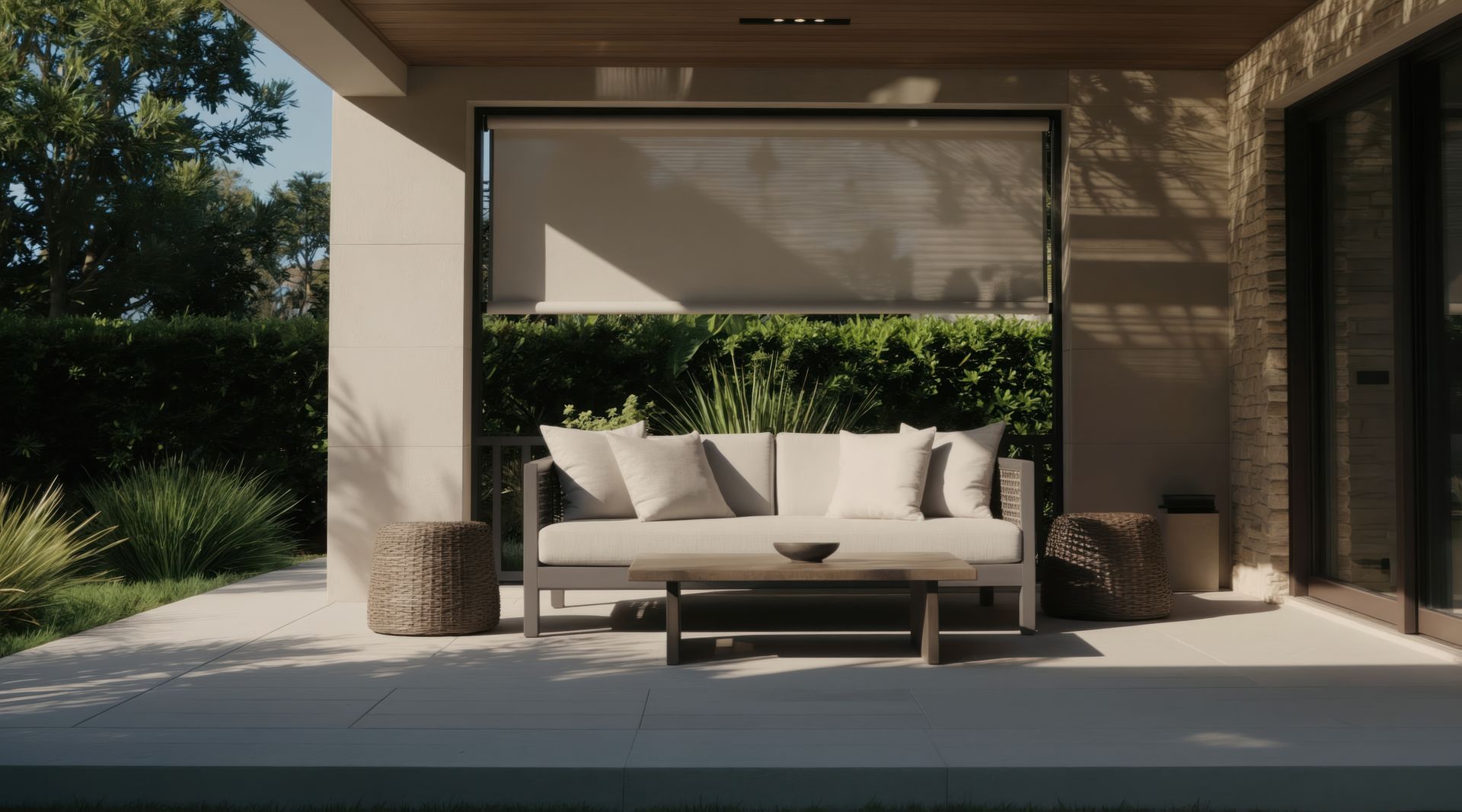
Options like retractable awnings can also add flexibility, allowing users to retract the system during high winds and extend it when conditions are calm.
Protect Your Home From Wind Exposure
If you are considering an awning for your home or business, do not settle for a generic solution. Arizona Awnings designs and installs custom awning and shade solutions built for Arizona’s unique climate.
Call 602-252-3430 today to schedule your free onsite estimate and get a design tailored to your property’s specific wind and sun exposure conditions.