The Hidden Cost of Poor Shade Design on Commercial Storefronts
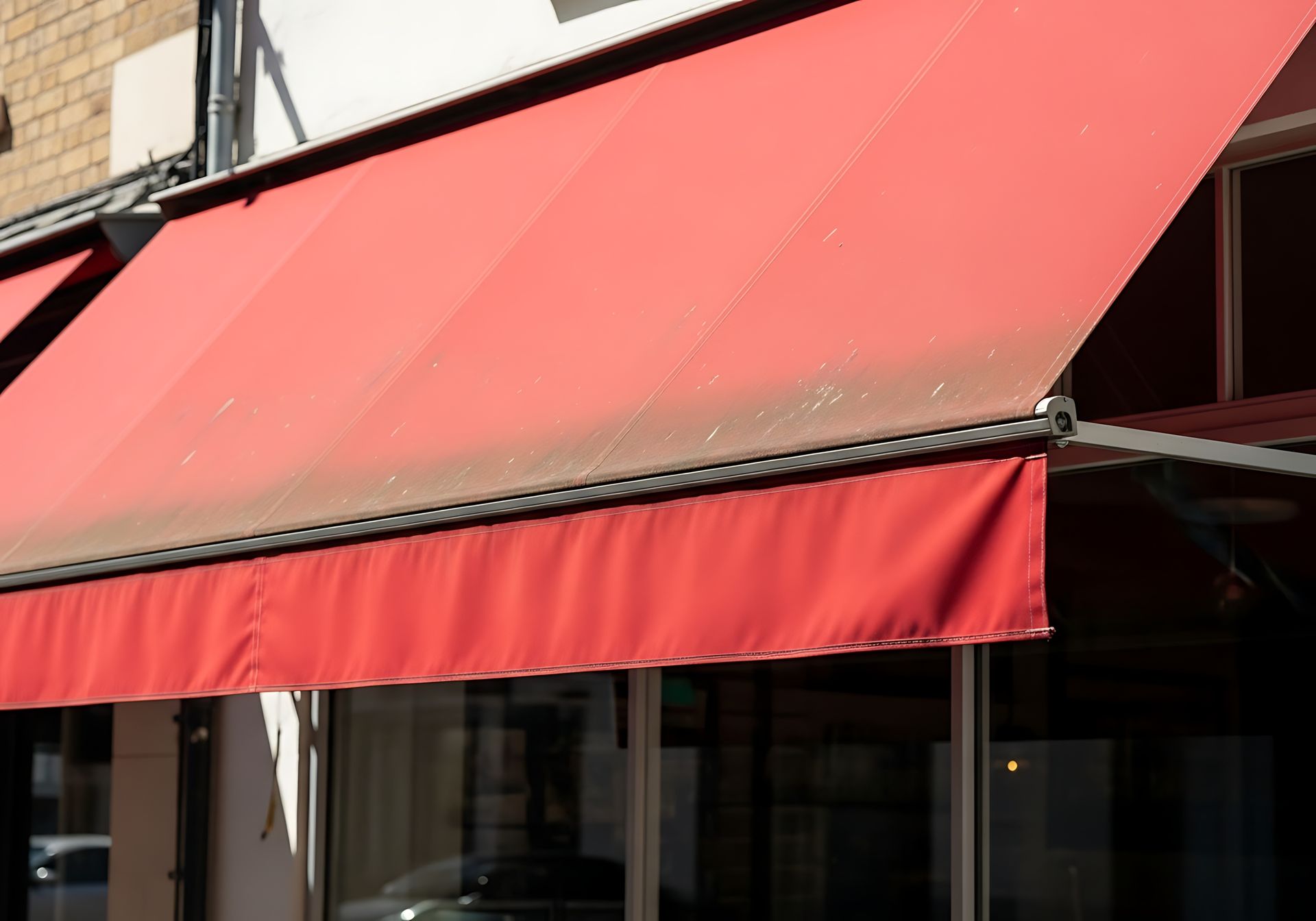
In Arizona, the sun is not just a seasonal inconvenience. It is a constant force that directly affects how commercial buildings perform. For retail stores, restaurants, offices and service businesses, poor shade design can quietly drain profits in ways that are not always immediately obvious.
Many business owners think of shade as a design feature or branding tool. While curb appeal absolutely matters, the performance of your awning or shade structure can play a much larger role in operational efficiency.
From increased interior heat load and reduced customer comfort to employee fatigue and fading merchandise, inadequate shade design carries hidden costs that add up over time.
Increased Interior Heat Load and Rising Energy Bills
One of the most significant consequences of poor shade design is excessive solar heat gain. When direct sunlight hits your storefront glass, it creates a greenhouse effect inside the building. Heat builds up quickly, especially during peak afternoon hours when west-facing exposures take the brunt of the Arizona sun.
This added heat forces your HVAC system to work harder and run longer. Over time, that means higher utility bills and increased wear and tear on cooling equipment. In a climate like Phoenix, even a few degrees of additional indoor heat can significantly impact energy consumption.
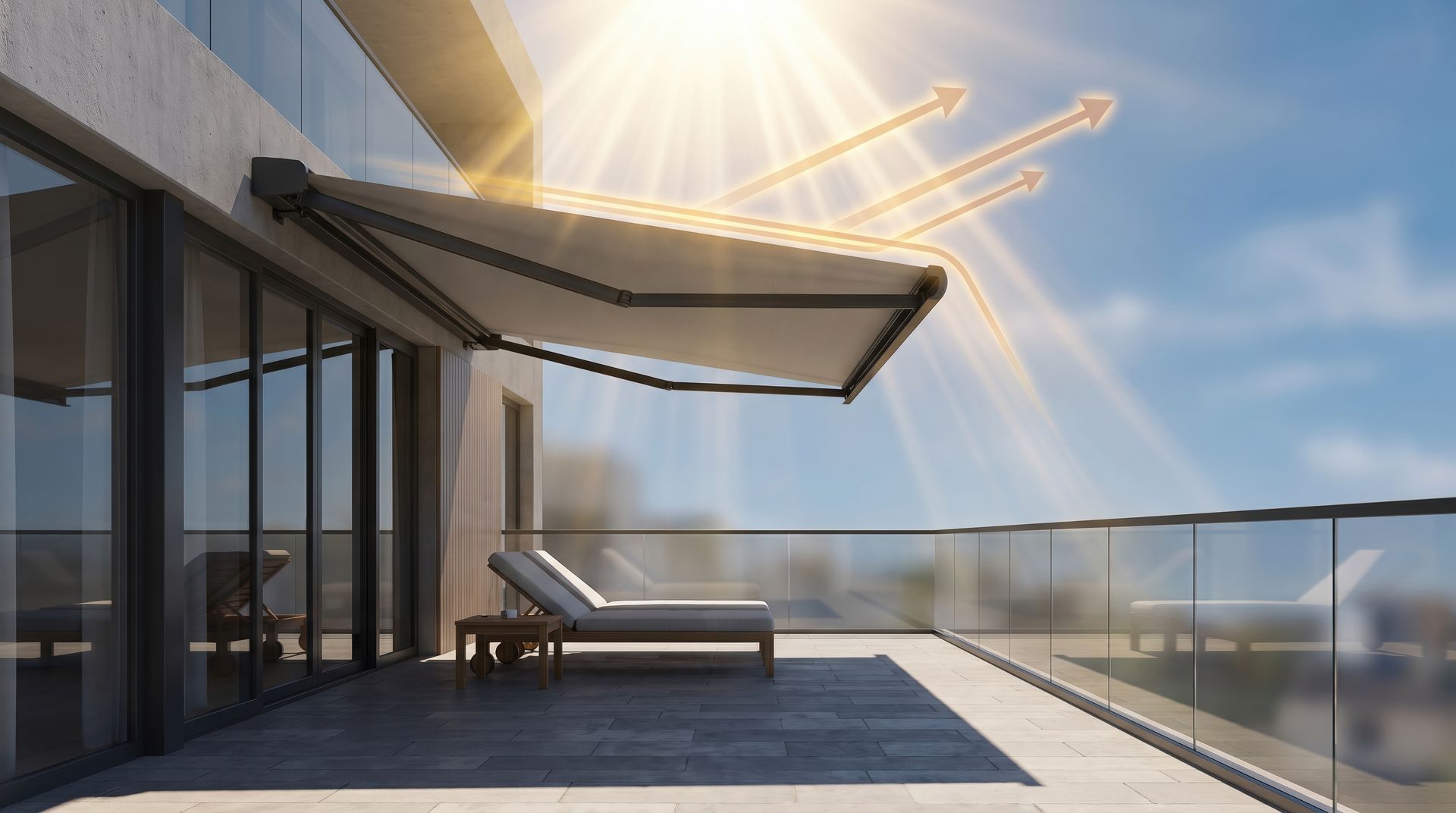
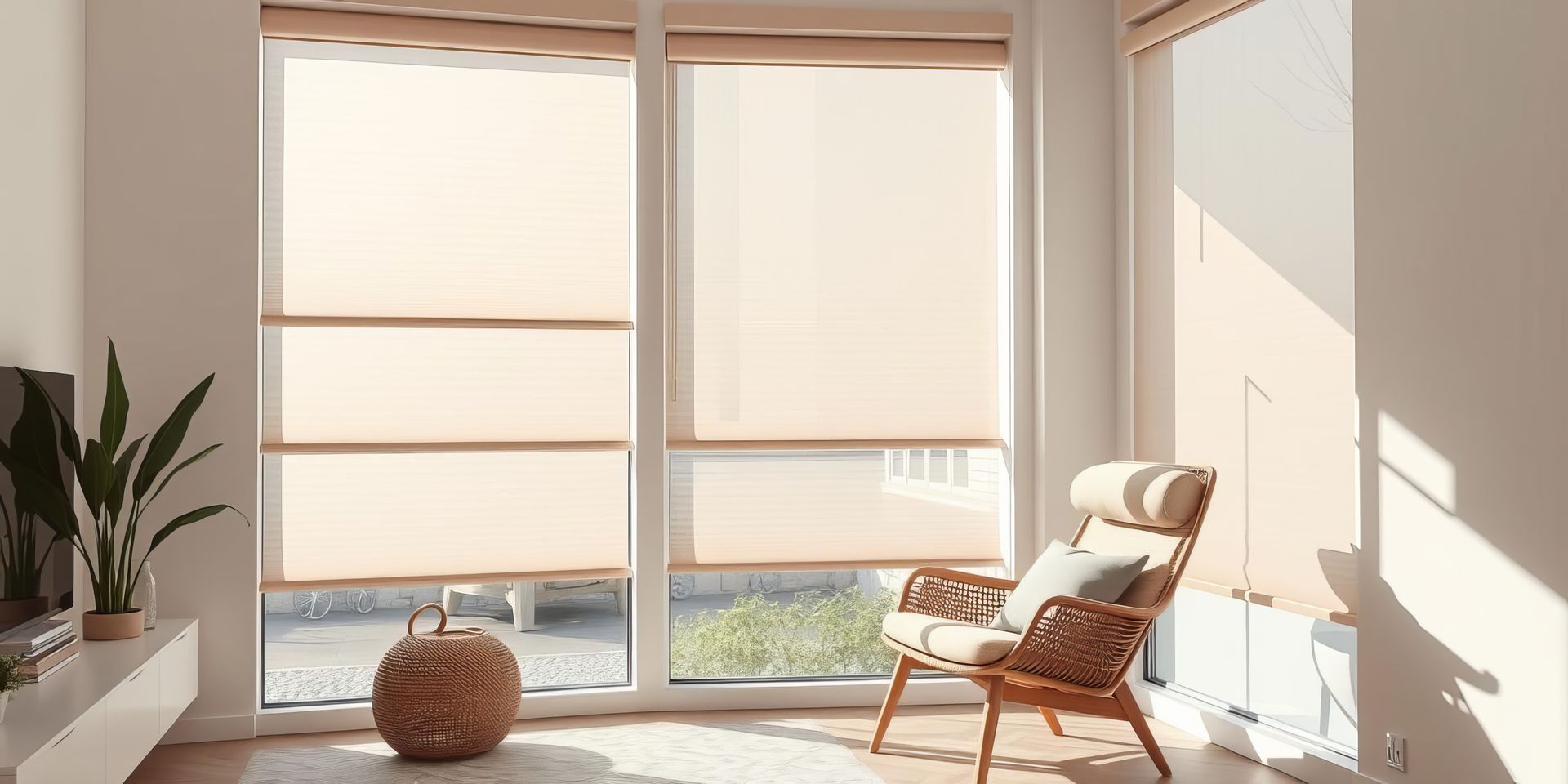
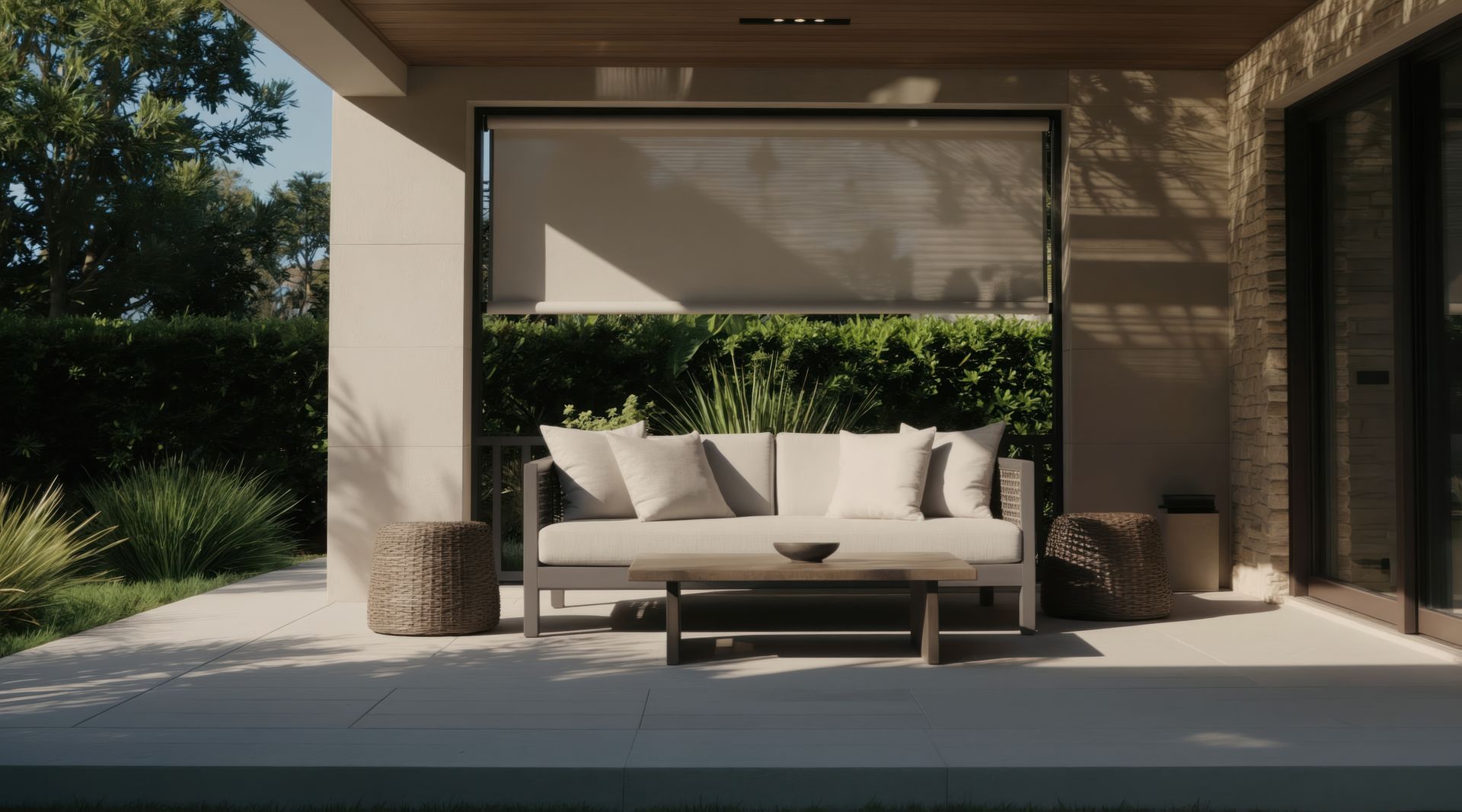
A properly designed commercial awning blocks sunlight before it ever reaches the glass. By shading windows strategically based on building orientation and sun angles, businesses can reduce heat gain and stabilize interior temperatures. This decreases strain on air conditioning systems and helps extend equipment lifespan.
Poorly designed shade, however, may be too shallow, improperly angled or constructed with materials that fail to provide adequate UV protection. In those cases, the sun still penetrates the glass, and the cooling system continues to compensate.
Customer Comfort Directly Impacts Sales
Comfort is closely tied to purchasing behavior. If your storefront or patio feels hot, bright or uncomfortable, customers are less likely to stay. In some cases, they may not even walk through the door or use available outside seating.
Excessive glare from unshaded glass can make it difficult to read menus, browse displays or examine products. In restaurants and cafes, tables near windows may sit empty because guests avoid overheated seating areas. In retail settings, harsh light can distort product colors and create visual fatigue.
Even entryways matter. Doors exposed to direct sunlight can become hot to the touch, creating an unpleasant first impression.
Employee Productivity and Workplace Comfort
Employees feel the effects of excessive heat and glare more than customers. Staff members working a full shift near storefront windows may experience inconsistent temperatures throughout the day. Bright sunlight reflecting off computer screens or point-of-sale systems can cause eye strain and reduce efficiency.
Over time, these environmental stressors can impact morale and productivity. Employees may adjust blinds repeatedly, rearrange displays or avoid certain areas altogether. These small disruptions add up.
Effective shade design helps maintain more consistent indoor temperatures and reduces harsh lighting conditions. By filtering direct sunlight, businesses create a more stable work environment where employees can focus on customer service rather than managing discomfort.
Interior Damage
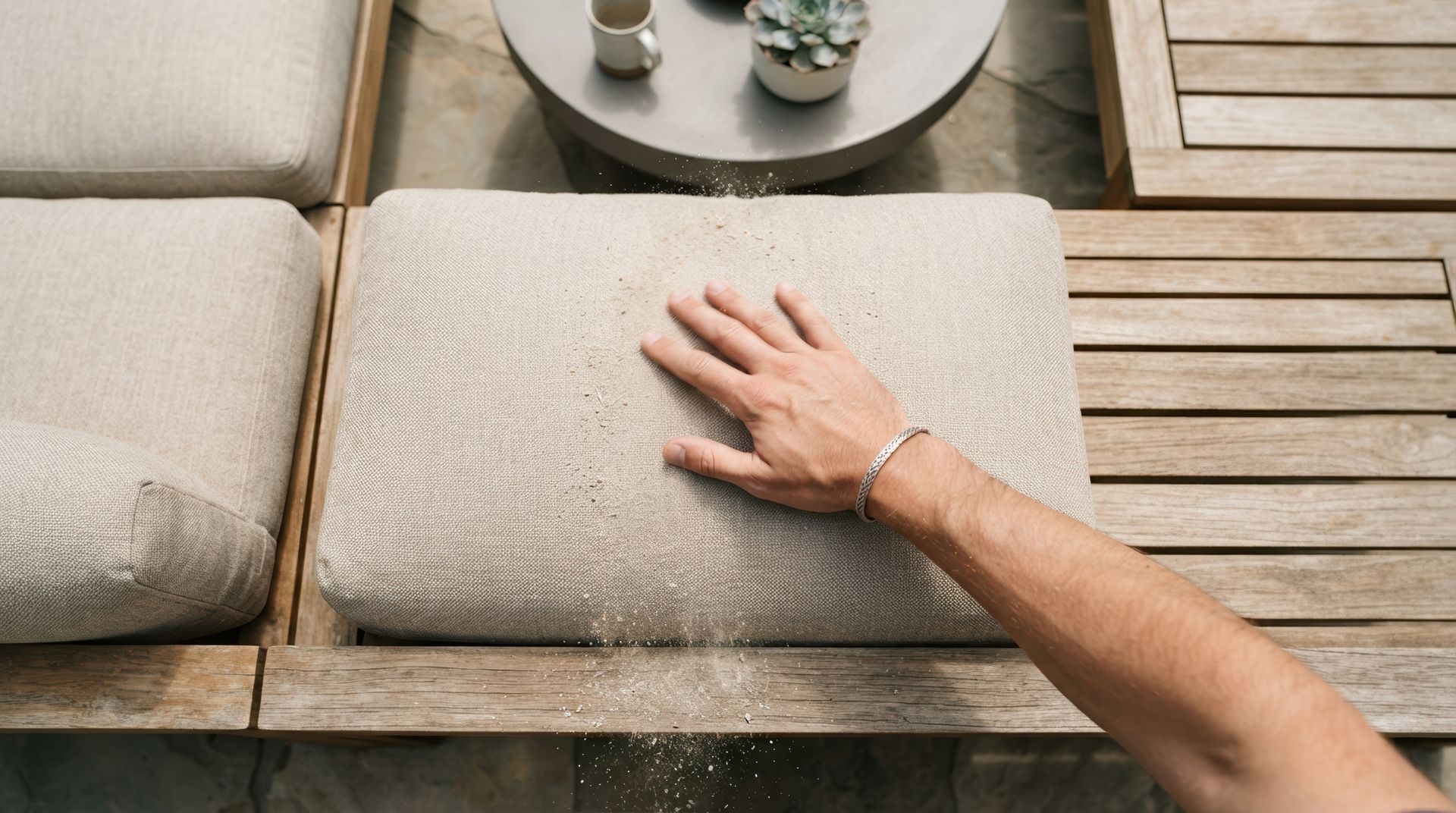
Ultraviolet exposure is one of the most overlooked consequences of poor shade design. Prolonged sun exposure can damage artwork, upholstery, flooring and decorative elements.
UV damage is cumulative and develops gradually. It often becomes most noticeable when items are moved, rotated or replaced, revealing contrast between protected and exposed areas.
High-quality commercial awnings are fabricated with durable, UV-resistant fabrics that help block harmful rays before they reach your interior. By stopping sunlight at the exterior, you protect both merchandise and long-term investments inside your building.
Performance and Branding Can Work Together
Some business owners prioritize appearance over performance when selecting an awning. They may choose a style that looks appealing but fails to provide sufficient coverage for their windows.
Effective shade design considers building orientation, seasonal sun movement, window dimensions and material durability. When these factors are evaluated during the planning stage, your awning becomes both a marketing feature and a high-performance building component.
With hundreds of fabric options and customizable styles available, businesses do not have to sacrifice branding to achieve proper shade coverage. The right solution enhances curb appeal while delivering measurable energy and comfort benefits.
Schedule a Commercial Shade Consultation Today
Arizona Awnings has been serving Phoenix-area businesses for more than 90 years, fabricating and installing custom commercial awnings built specifically for our desert climate.
Call Arizona Awnings at 602-252-3430 to schedule your consultation and discover how the right shade solution can reduce heat load, improve comfort and protect your merchandise for years to come.