Are Retractable or Fixed Awnings Better for Phoenix Heat and Monsoon Season?
When it comes to surviving Phoenix summers and monsoon seasons, there isn’t a one-size-fits-all answer to the ‘best awning’ question. Both retractable and fixed awnings can perform extremely well, but which works best depends on location and their intended purpose.
If you’re trying to decide which is “better,” the real question is simple: do you want constant protection, or do you want control?
Why Phoenix Conditions Matter in Awning Choice
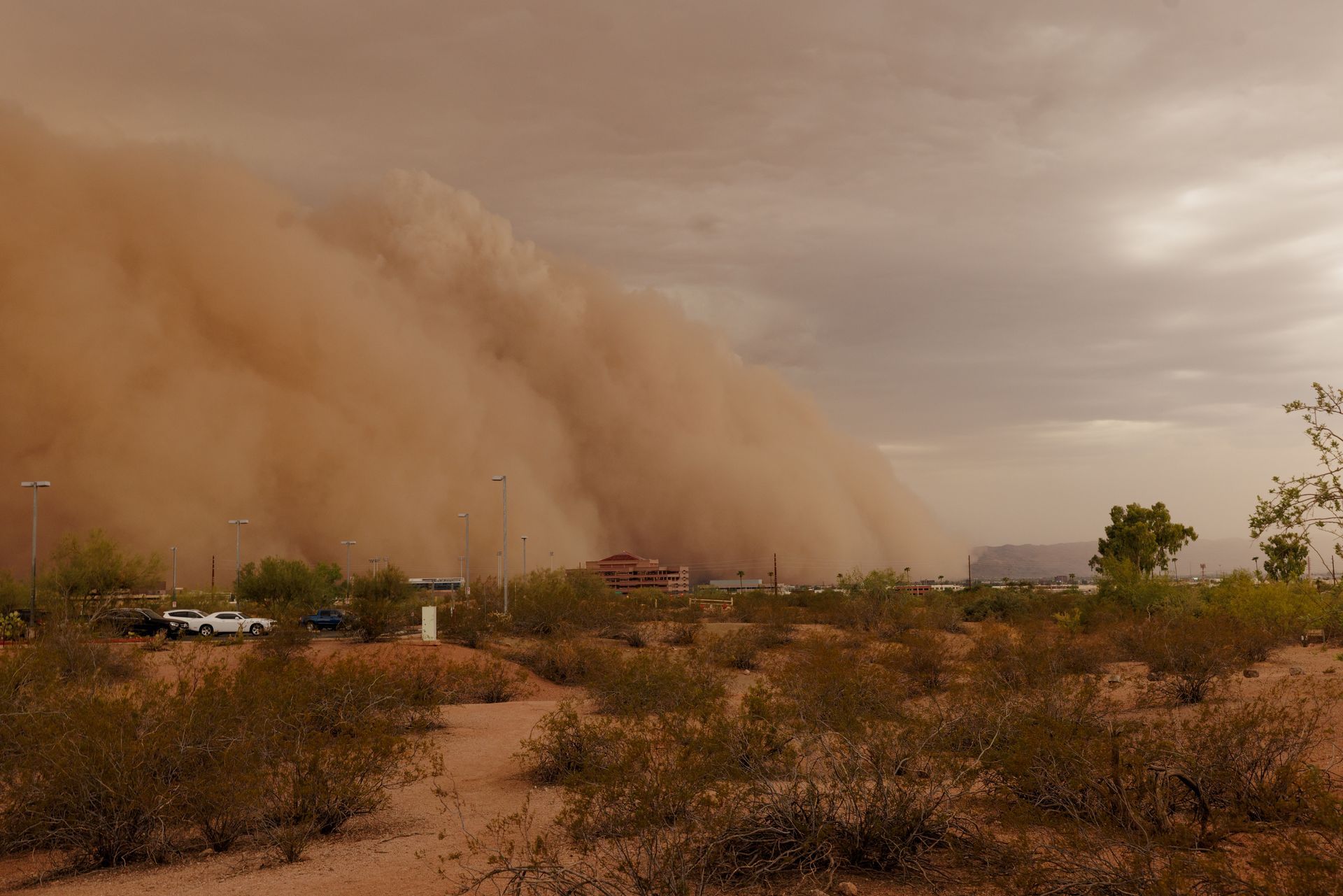
Phoenix weather is uniquely demanding in some respects. Awnings must withstand brutal west-facing sun, long stretches of consistent heat and sudden monsoon storms that bring strong winds and dust. That combination makes your awning choice more than just an aesthetic decision. It directly impacts comfort, energy use and durability.
Fixed Awnings: Consistent Shade That Never Quits
If your priority is reducing heat and blocking sunlight every day without having to think about it, fixed awnings are the clear winner.
These permanent structures provide continuous shade without needing to be extended, which is especially important in Phoenix, where sunlight is relentless. By blocking direct sun before it hits your windows or patio, fixed awnings help reduce indoor heat buildup and ease the strain on your air conditioning system.
They’re particularly effective on south- and west-facing windows and outdoor seating areas, where heat gain is most intense in the afternoon. Over time, that consistent protection can make a noticeable difference in indoor comfort.
A properly installed fixed awning fabricated using high-quality materials will also be tough. They typically are not as vulnerable to high winds as an extended retractable awning.
Fixed awnings make the most sense if:
- You want passive, always-on shade
- You’re targeting window or sliding glass door heat reduction
- You don’t want to adjust or manage anything daily
- You’re shading areas that always need coverage
They also tend to be very durable. With no moving parts, there’s less that can wear out over time, making them a long-term, low-maintenance solution.
The downside is flexibility. Fixed awnings stay in place no matter what, which means they’re exposed during monsoon storms and can’t be adjusted based on changing conditions.
Retractable Awnings: Flexibility for Real-Life Use
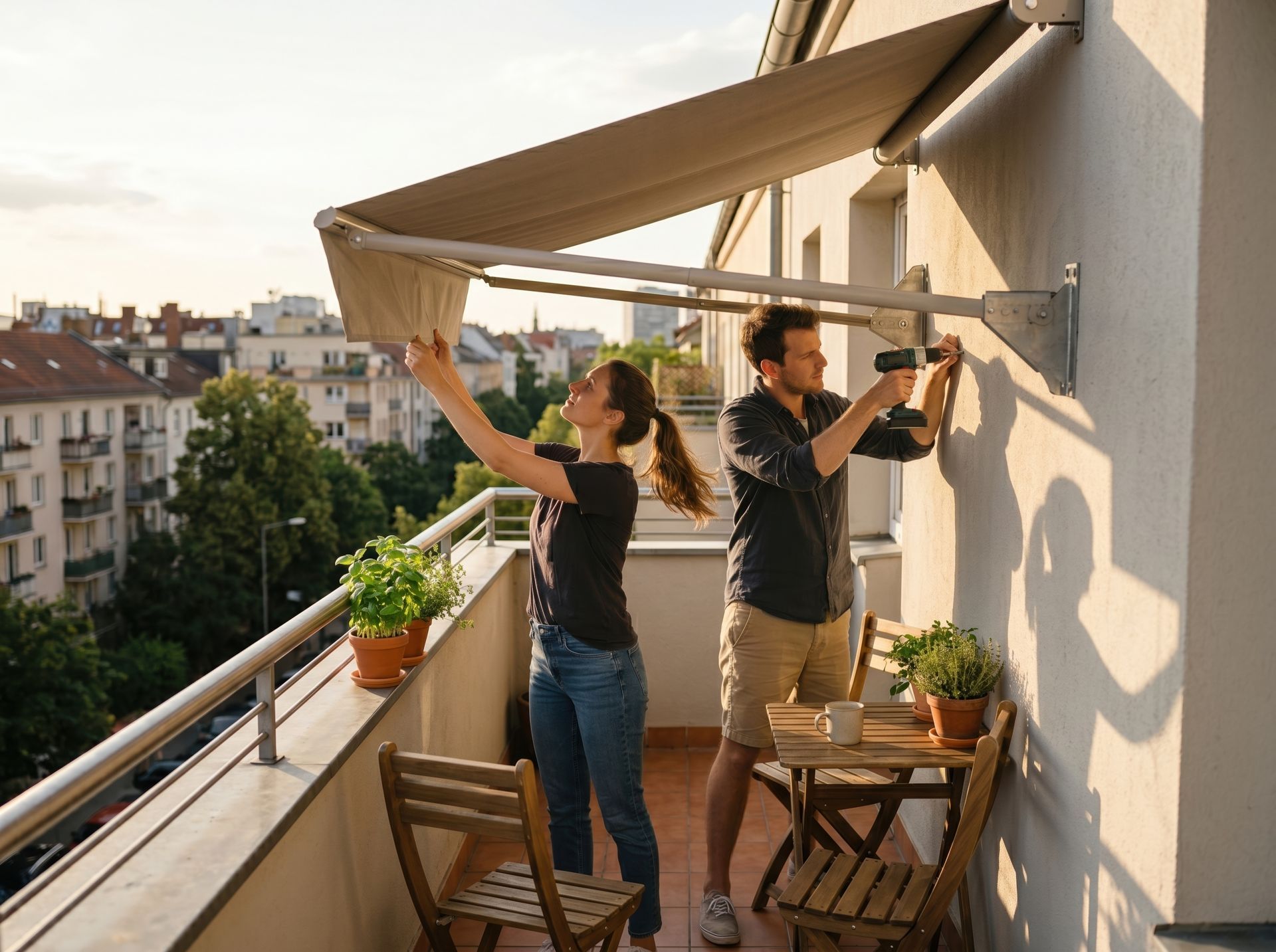
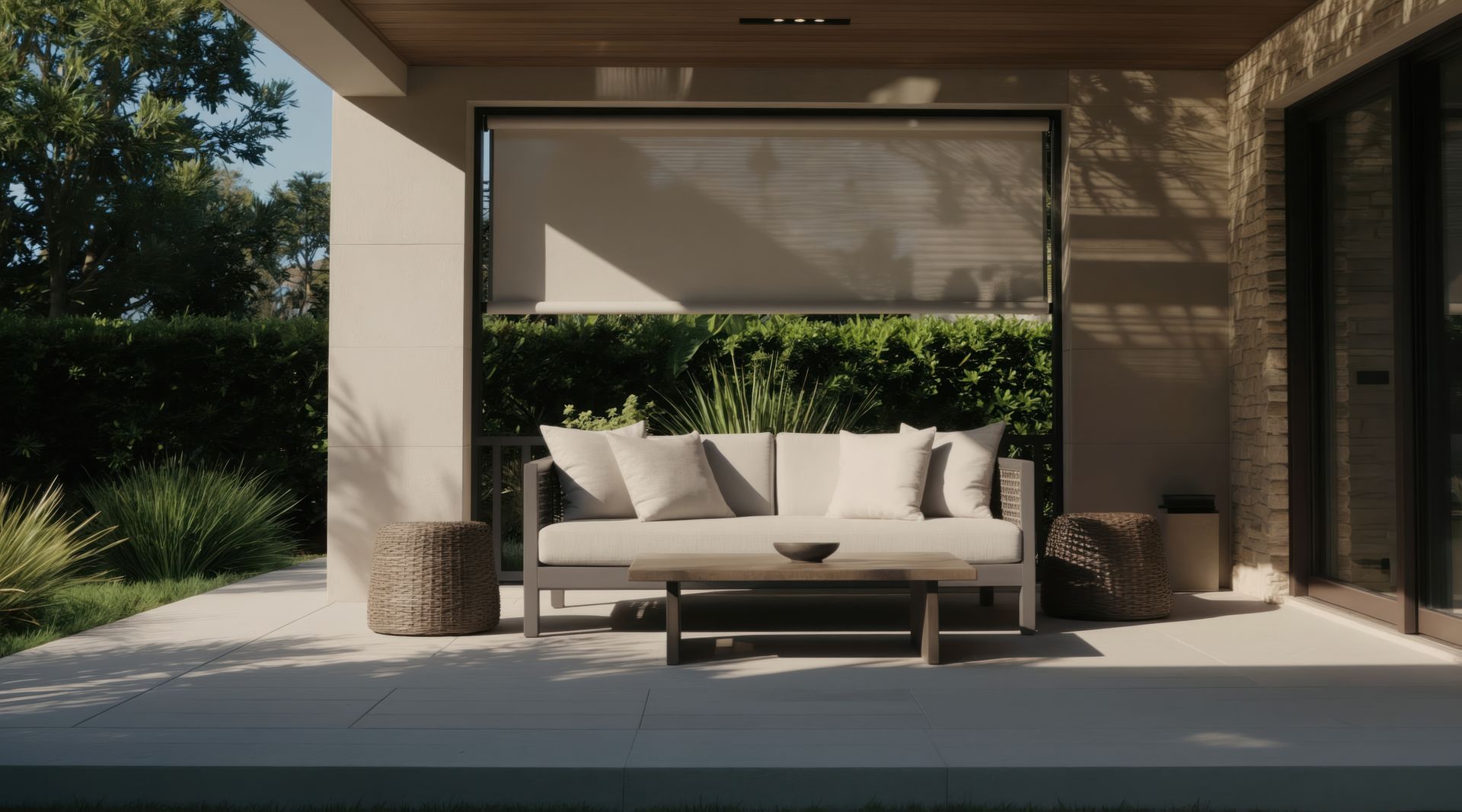
Retractable awnings offer something fixed systems can’t: shade control.
With the ability to extend or retract the awning as needed, you can decide when you want shade and when you’d prefer sunlight.
This flexibility is useful in Phoenix, where mornings, evenings and cooler months can actually be enjoyable without full shade.
Although they can potentially be damaged by monsoon winds, retracting them is relatively easy. The primary risk is forgetting to bring it in prior to a storm’s arrival. Retracting them before dust storms also prevents them from being coated with dust, which isn’t an option with fixed awnings.
Some systems do include wind sensors that automatically pull the awning in when gusts pick up, adding an extra layer of protection.
Retractable awnings are ideal if:
- You want control over sun versus shade
- You’ll remember to retract the awning during storms
- Your patio or outdoor space is used intermittently
- You want to enjoy sunlight during certain times of day or year
They’re especially popular for backyard patios, where flexibility makes a big difference in how often the space gets used.
Retractable awnings do include moving components, which means occasional maintenance may be needed.
Which One Performs Better in Real Phoenix Conditions?
The answer depends entirely on how you plan to use it.
Fixed awnings perform better when your goal is consistent heat reduction with zero effort. They’re ideal for windows and areas that always need protection from the sun.
Retractable awnings perform better when flexibility matters. They’re perfect for patios and outdoor living spaces where your needs change throughout the day and across seasons.
Get Expert Guidance from Our Team at Arizona Awnings
Arizona Awnings has been helping homeowners and businesses create custom shade solutions for decades. Whether you need permanent window coverage or a flexible retractable awning for a patio, our team can design and install awnings tailored to your space.
Call 602-252-3430 today to schedule a free on-site estimate and find the right shade solution for your home.