How Should You Clean Patio Roller Shades After a Phoenix Dust Storm?
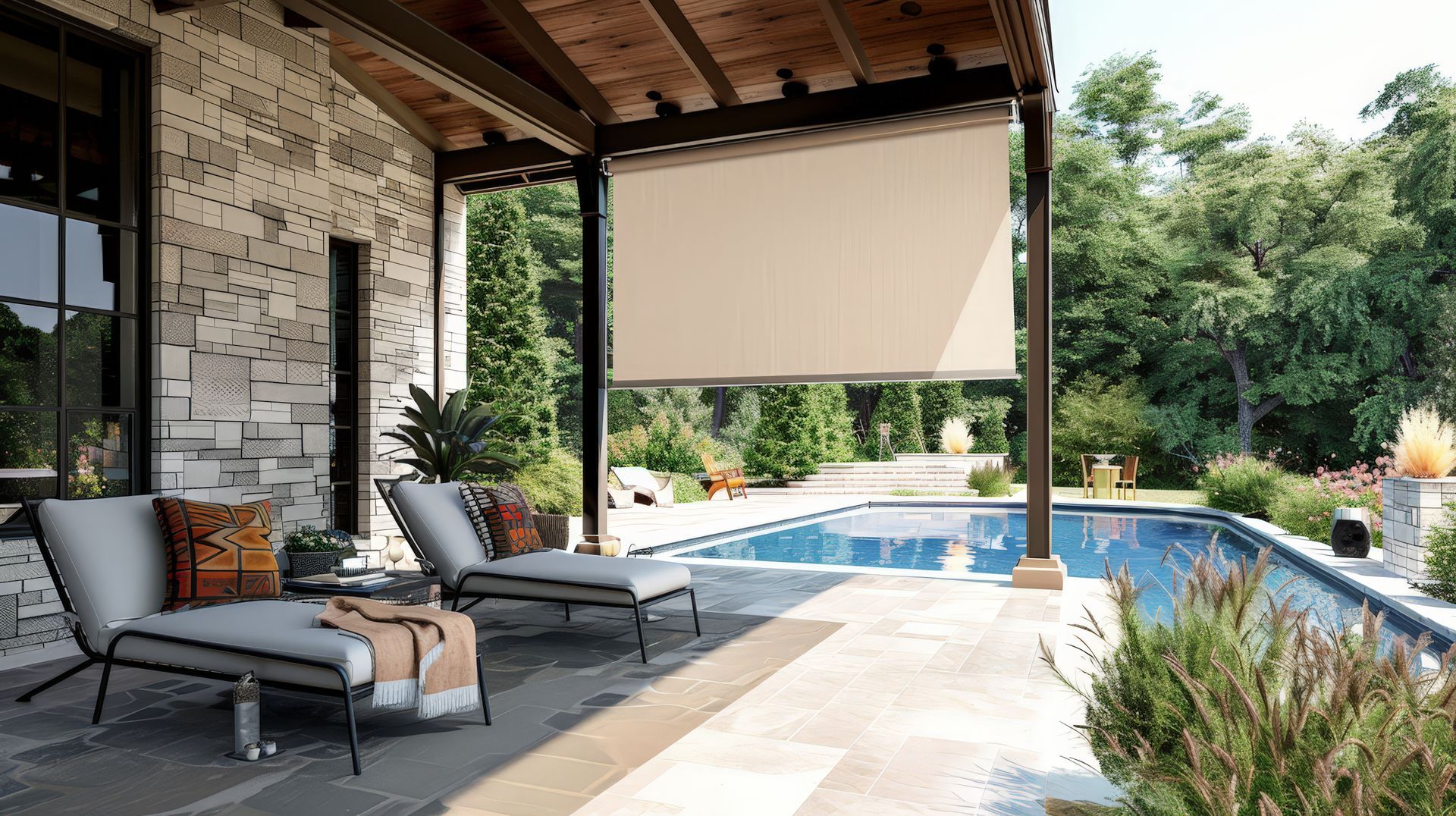
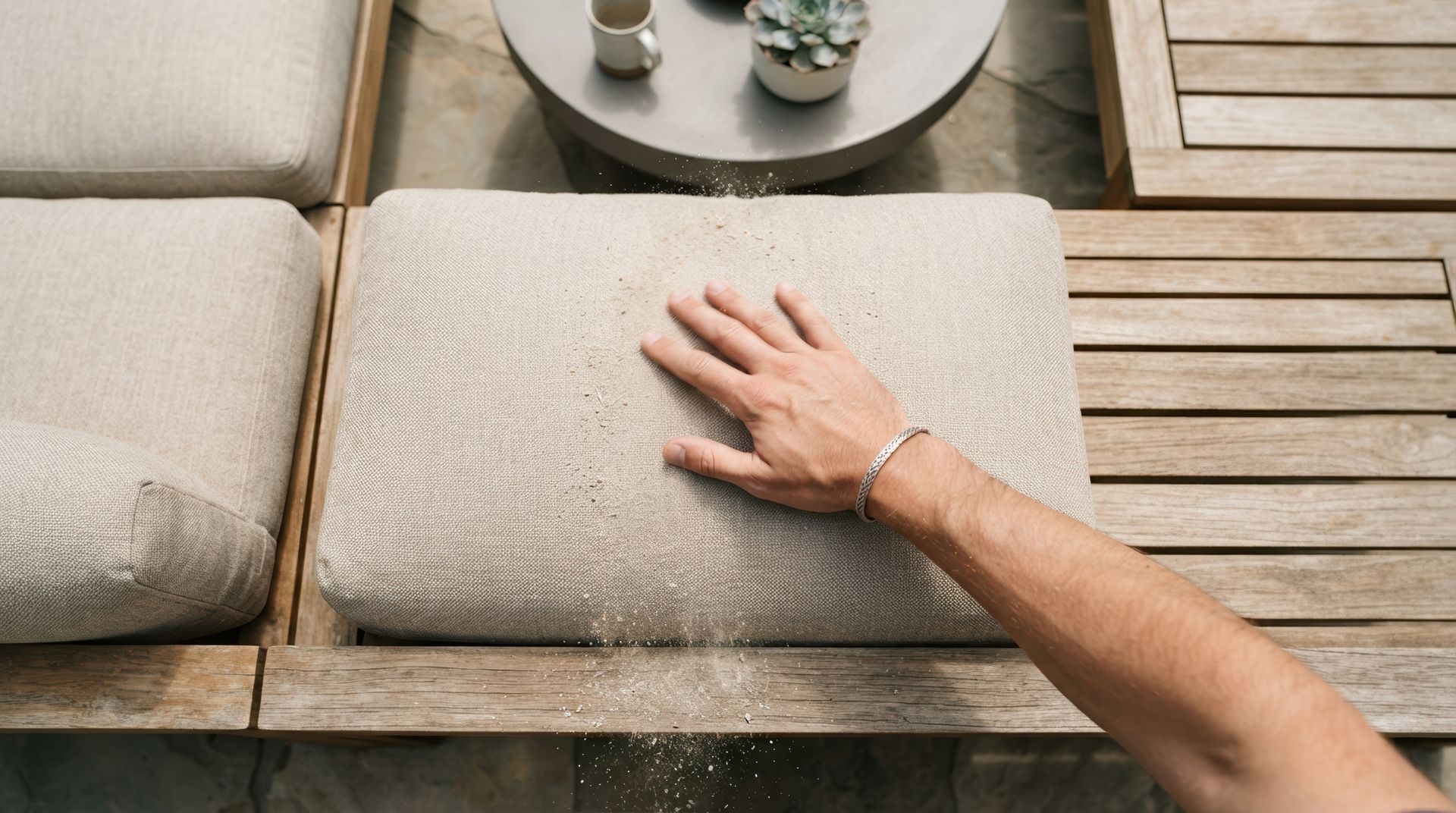
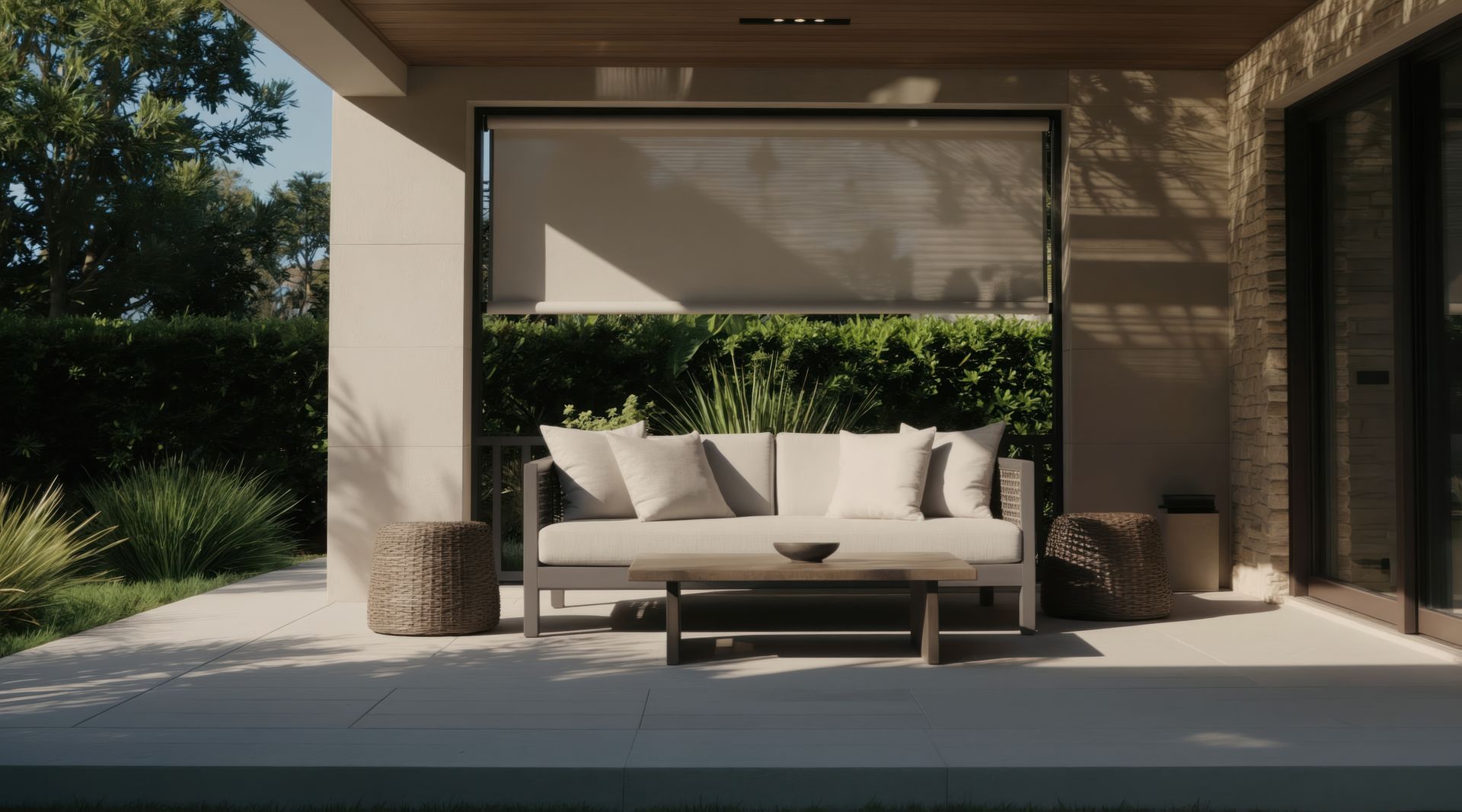
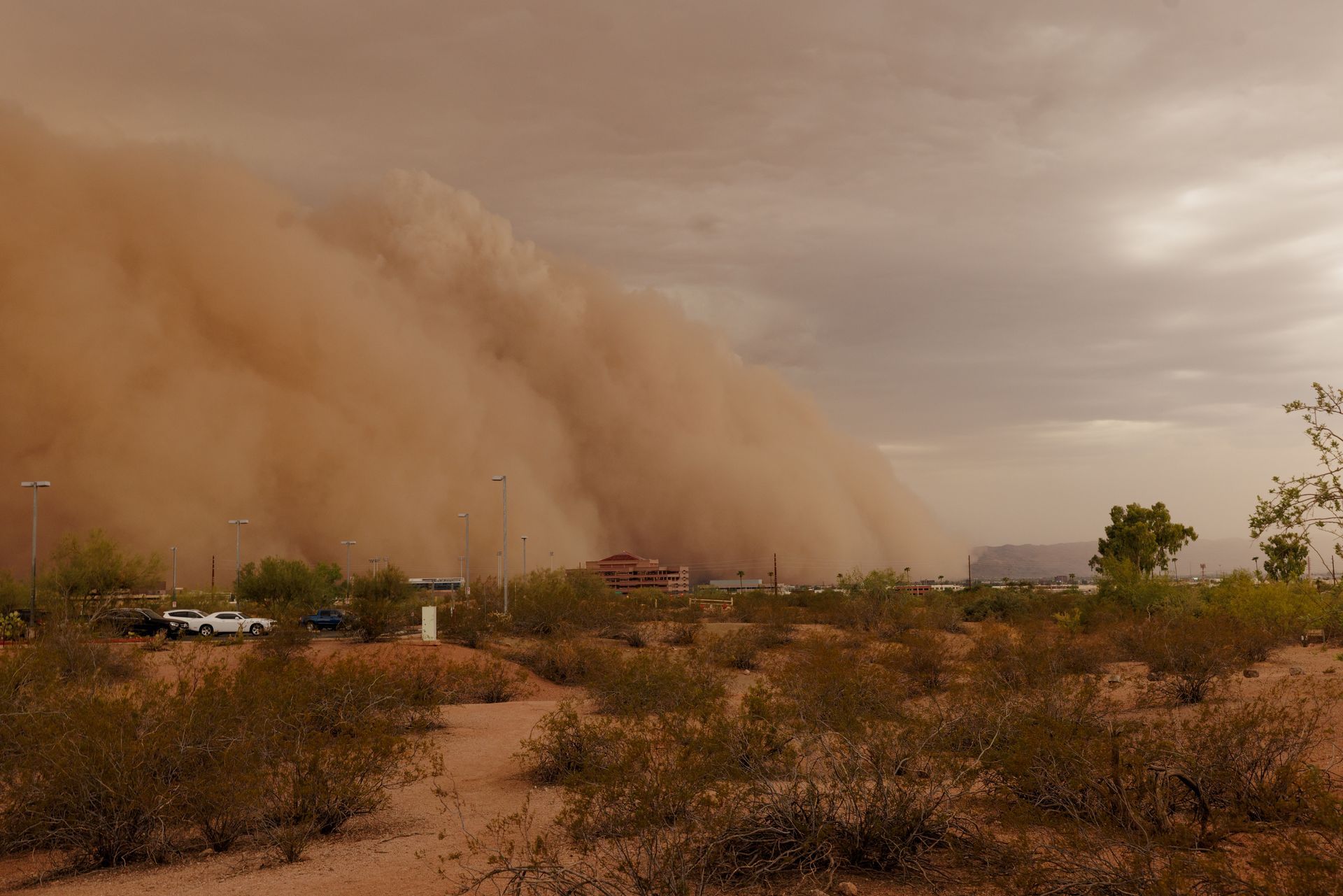
Phoenix dust storms can leave behind a surprising amount of dirt on outdoor surfaces, and patio roller shades are often one of the first things to show it. Shades that are rolled down during the storm will be exposed directly to wind-blown debris, and will collect layers of desert dust, dirt and mineral particles after a monsoon storm.
Proper cleaning helps protect your investment, maintain the appearance of your outdoor space and keep your shades operating smoothly. However, using the wrong cleaning methods can damage the fabric or push dust deeper into the material.
Wait Until the Dust Is Dry
If a dust storm is followed by rain, it is usually best to let the damp dust dry before attempting to remove it.
Wet dust can turn into mud-like residue that is harder to remove and more likely to spread across the fabric. Allowing the shade to dry first makes it easier to remove loose particles without creating additional buildup.
Once the dust is dry, you can begin the cleaning process by removing surface debris.
Remove Loose Dirt First
Before applying water or cleaning solutions, remove as much loose dust as possible.
A soft brush, microfiber cloth or gentle rinse with a garden hose can help clear away surface particles. The goal is to lift dust away from the fabric rather than grind it further into the weave.
Avoid aggressively scrubbing dry desert dust into the fabric. Fine mineral particles can act as abrasives when rubbed forcefully, potentially contributing to premature wear over time.
Use Mild Soap Instead of Pressure Washing
Pressure washing may force water into seams, damage protective coatings or weaken fabric over time. It can also push dirt deeper into the material rather than removing it.
For most routine cleaning, mild soap mixed with water is enough. Apply the solution gently with a soft brush or cloth, allow it to loosen dirt and rinse thoroughly with clean water.
Clean the Side Tracks and Hardware
If a patio roller shade has side tracks or guides, they can collect dust and debris during monsoon storms. When dust builds up in these areas, it can interfere with smooth operation and cause shades to stick, drag or become difficult to raise and lower.
Wipe down tracks regularly and remove accumulated dirt before it becomes packed into moving parts. Keeping the hardware clean can help extend the life of your shade system.
Let Shades Dry Before Rolling Them Up
Rolling up damp fabric can trap moisture, creating an environment where mildew, discoloration or odors may develop. Even in Arizona's dry climate, moisture trapped inside a rolled shade can take longer to evaporate.
Leave the shades fully extended until the fabric is completely dry before retracting them.
When Should Patio Shades Be Replaced?
Routine cleaning and maintenance can extend the life of patio roller shades, but some damage cannot be repaired.
Replacement may be the better option if you notice:
- Permanent staining that cleaning cannot remove
- Tears or holes in the fabric
- Fraying edges
- Fading or weakening material
- Hardware that no longer operates properly
Small issues can become larger problems if ignored, especially when shades continue to face intense Arizona sun, heat and dust exposure.
Why Do My Patio Shades Get Dirtier Than Everything Else Outside?
If a patio roller shade is left down during a dust storm, it can catch much of the dust that would otherwise blow onto the patio, windows or side of the house. That can leave the shade looking especially dirty afterward.
Patio shades are designed to be durable and cleanable, but strong winds can still damage the fabric, roller or mounting hardware.
Rolling the shade up before a storm may be preferable, even if it means the patio or nearby windows will need to be cleaned afterward.
Why Won't My Shades Roll Up Smoothly After Monsoon Season?
Difficulty rolling up patio shades after monsoon season is often caused by dust buildup in the tracks, rollers or moving components. Debris can create friction and prevent the system from operating as smoothly as it should.
Cleaning the tracks, removing dirt around the hardware and inspecting the shade system can often restore normal operation. If problems continue, professional evaluation may help determine whether repairs or replacement parts are needed.
Protect Your Outdoor Space With Our Awning Systems
Arizona Awnings has been providing custom awnings and shade solutions for Phoenix homes and businesses for more than 90 years. From patio shades and retractable awnings to custom shade structures, our team creates solutions designed around your property's needs.
Contact us at 602-252-3430 to schedule a free estimate and find the right shade solution for your outdoor space.