Why Arizona Dust Is Harder on Outdoor Fabrics Than Rain
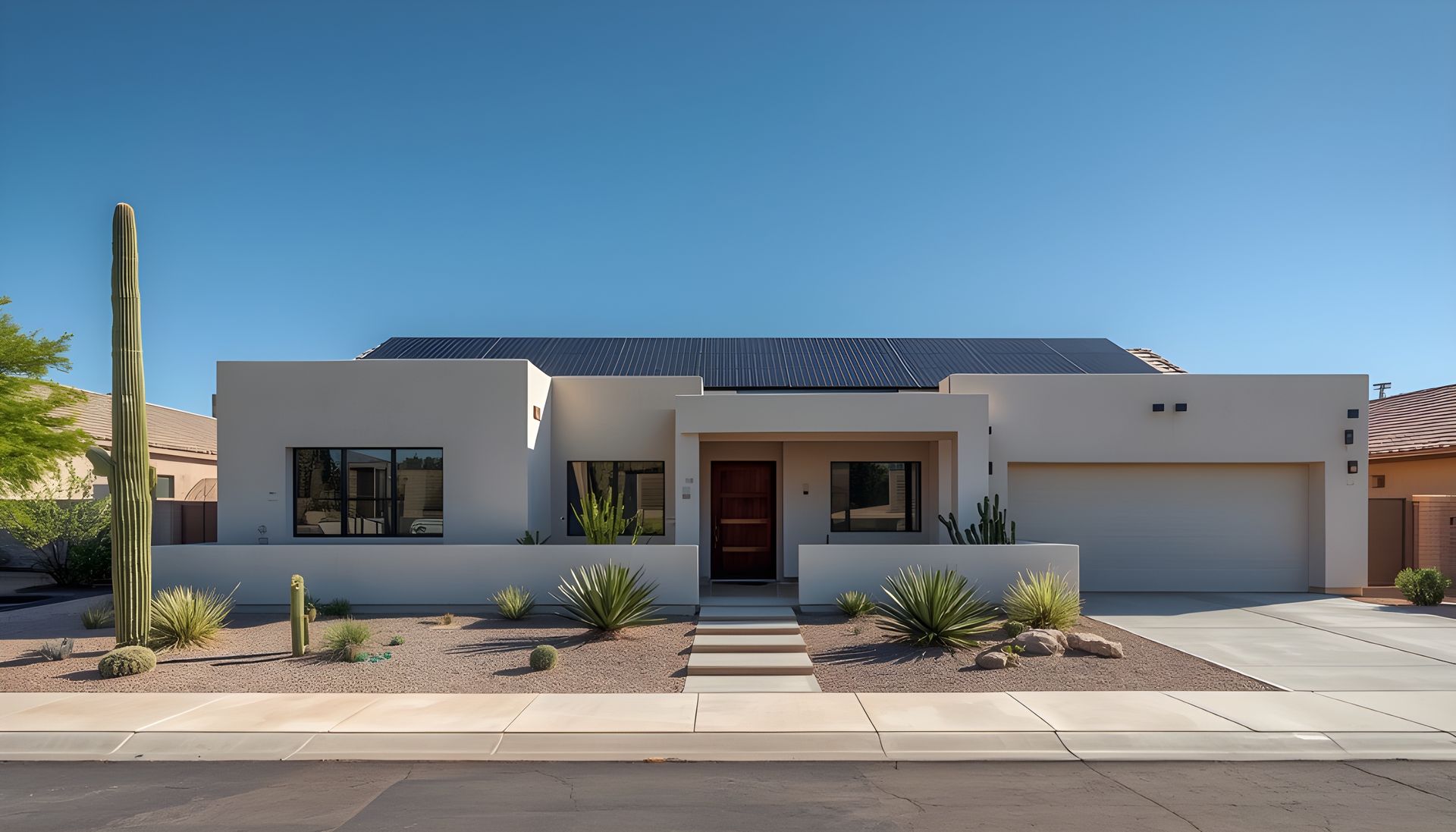
In the Phoenix area, intense UV exposure, persistent heat and wind-blown dust are bigger drivers of awning damage than our limited annual rainfall.
Although each of these conditions can damage outdoor fabrics on its own, they can also work together to accelerate fading, abrasion and other forms of long-term wear.
The Sun Is the Biggest Enemy
The Valley experiences some of the highest levels of ultraviolet (UV) radiation in the country. Day after day, UV rays gradually break down the fibers in fabric materials. Over time, this can lead to:
- Fading colors
- Reduced fabric strength
- Brittleness
- Loss of flexibility
- Shortened overall lifespan
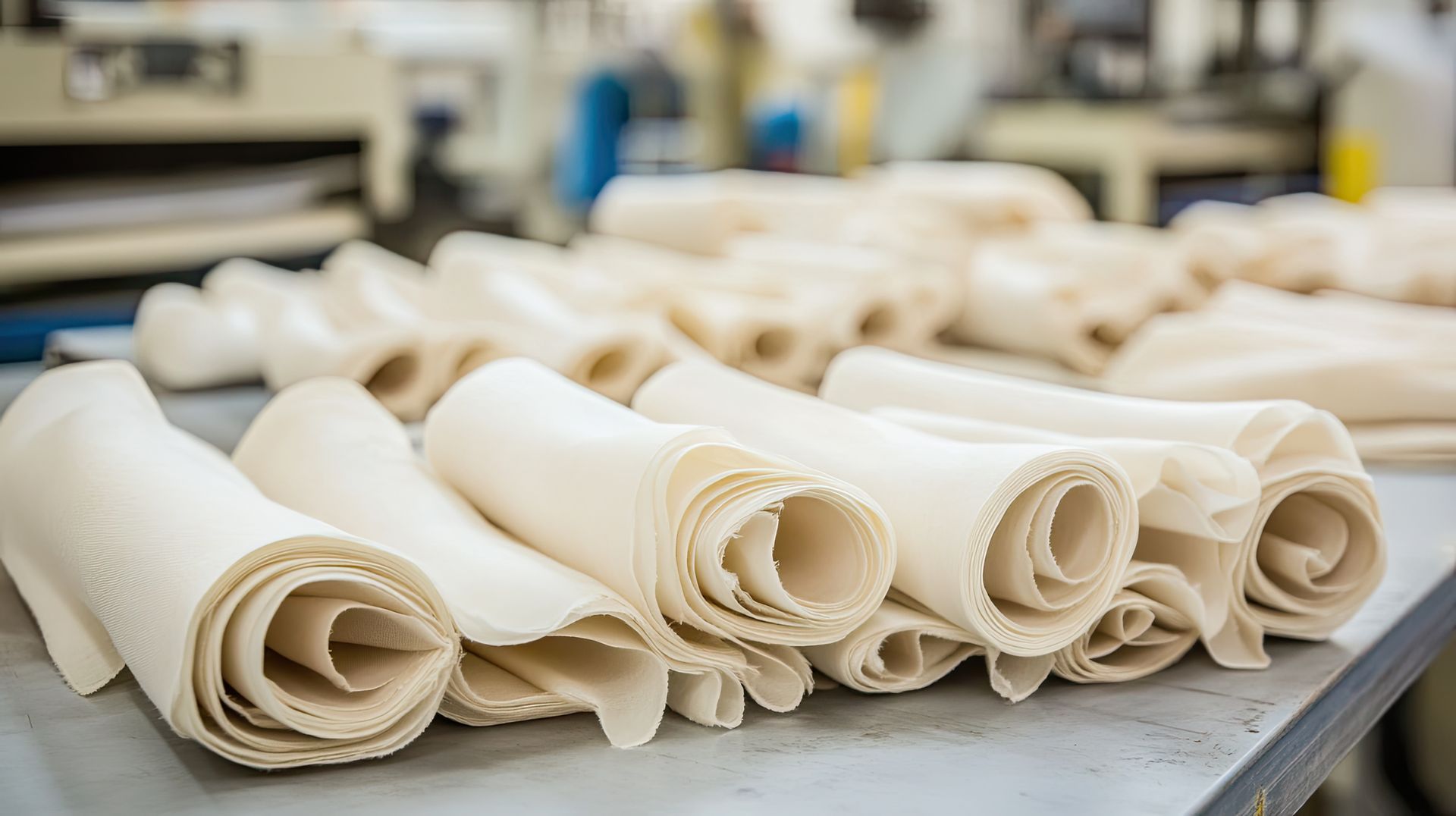
High-quality outdoor fabrics, such as Sunbrella™, are specifically engineered to resist UV damage, but even premium materials perform best when they are properly maintained and installed by experienced professionals. Choosing fabrics designed for Arizona's climate is one of the best ways to maximize awning longevity.
Extreme Heat Accelerates Wear
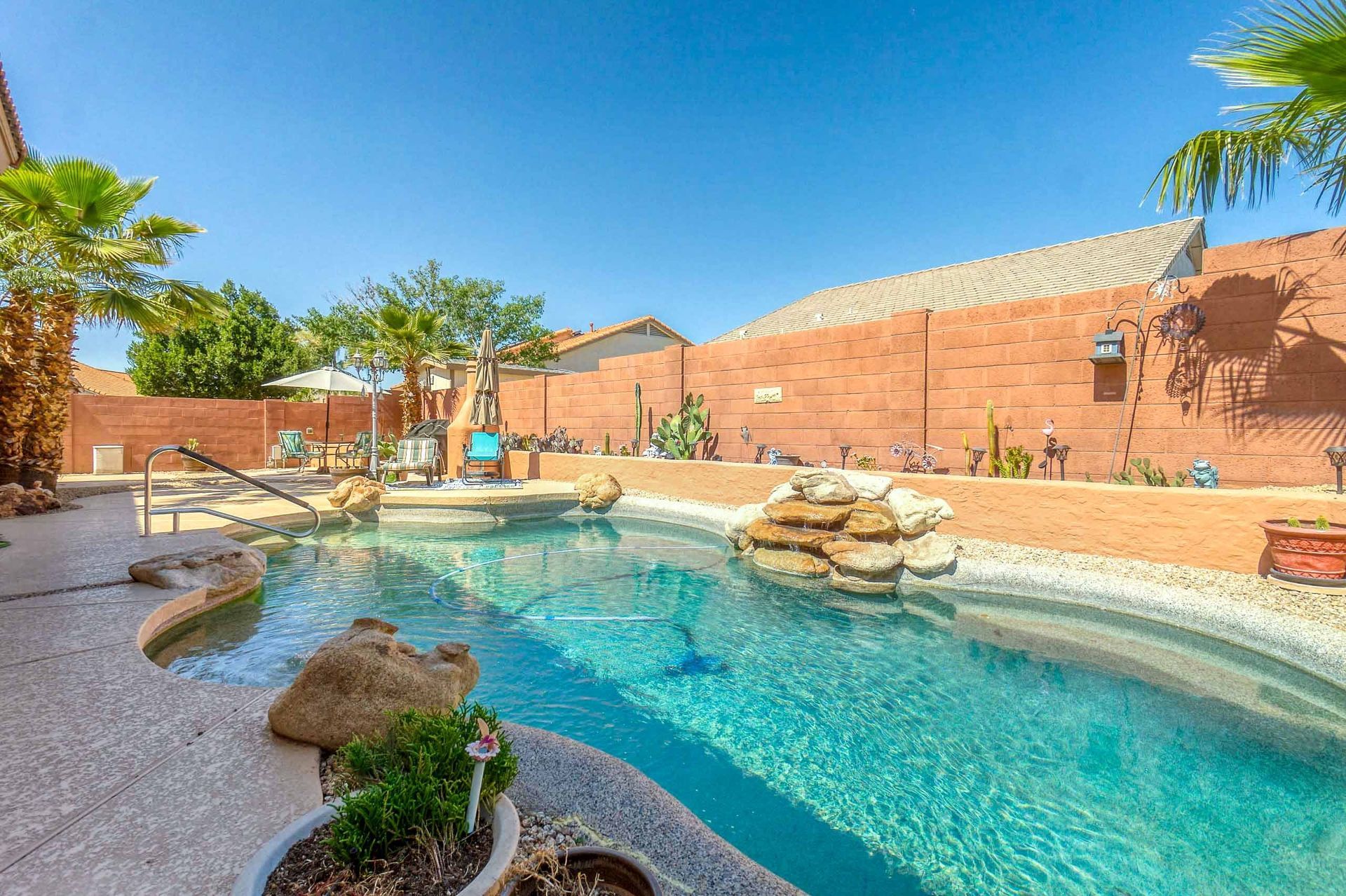
During Phoenix summers, surfaces can become dramatically hotter than the surrounding air temperature. Prolonged heat speeds up the aging of fabric coatings, stitching and other materials, especially when combined with Arizona's intense UV exposure. Over time, that constant exposure can contribute to fading, reduced flexibility and gradual fabric deterioration.
Arizona Dust Is Different
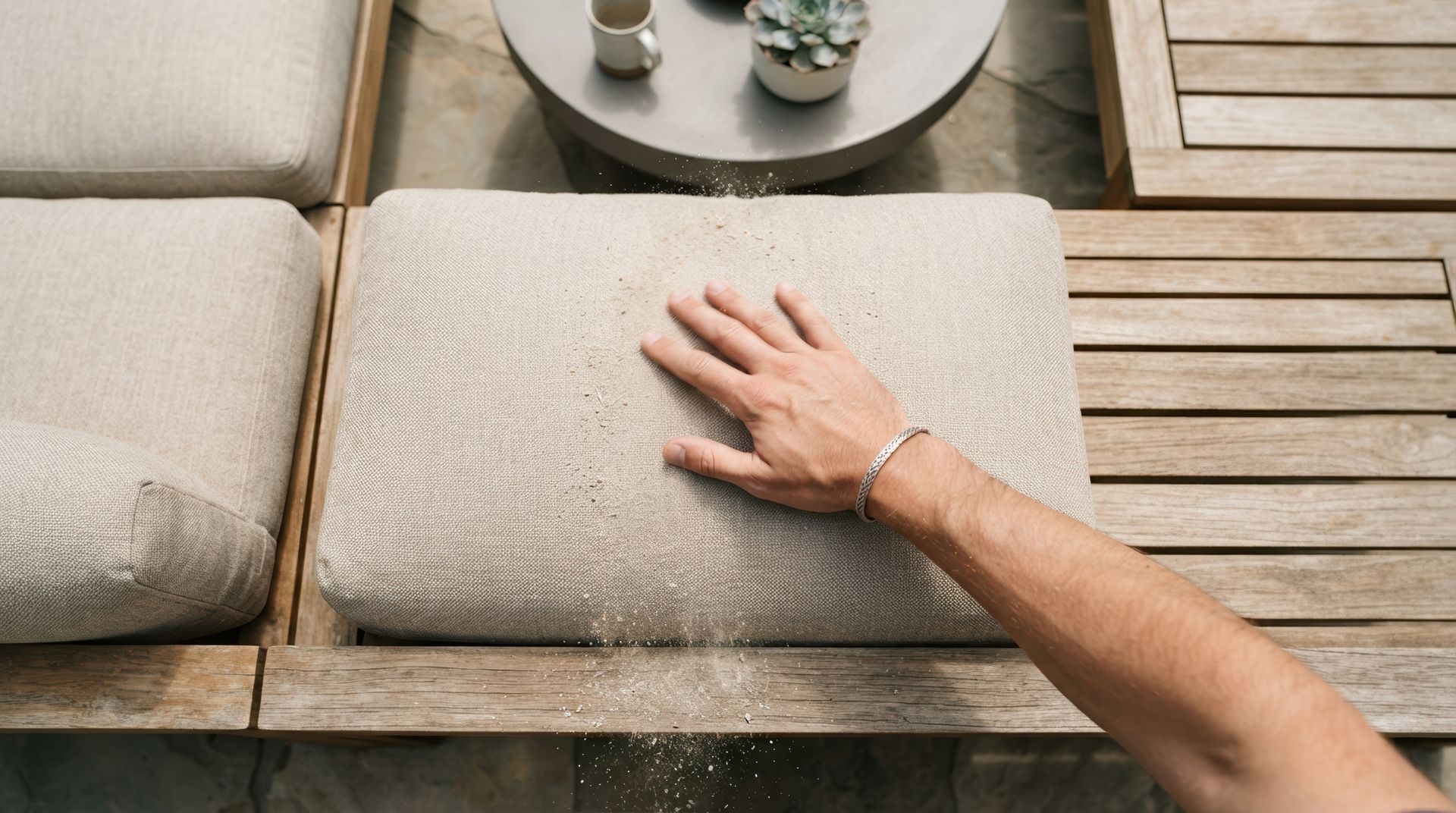
Arizona dust isn't necessarily harsher because of some unusual chemical makeup. Instead, its combination of mineral content, extremely fine particles, dry conditions and sheer volume creates unique challenges for outdoor equipment.
Much of the dust blowing through the Phoenix area comes from exposed desert soils and contains naturally occurring minerals such as:
- Quartz (silica)
- Feldspar
- Clay minerals
- Calcium carbonate
- Iron-containing minerals
These particles are extremely small. Because they are so fine, they can work their way into fabric weaves, seams, hardware and moving components more easily than larger debris.
Dry Conditions Keep Dust Airborne
In humid regions, airborne dust often absorbs moisture, clumps together, or gets washed away by regular rainfall. Arizona's dry climate allows dust to remain loose and airborne for much longer periods.
That means outdoor awnings and shade structures are continually exposed to fresh layers of dust throughout much of the year.
Instead of being naturally rinsed away, dust often accumulates until it is manually cleaned.
Wind-Driven Dust Acts Like Sandpaper
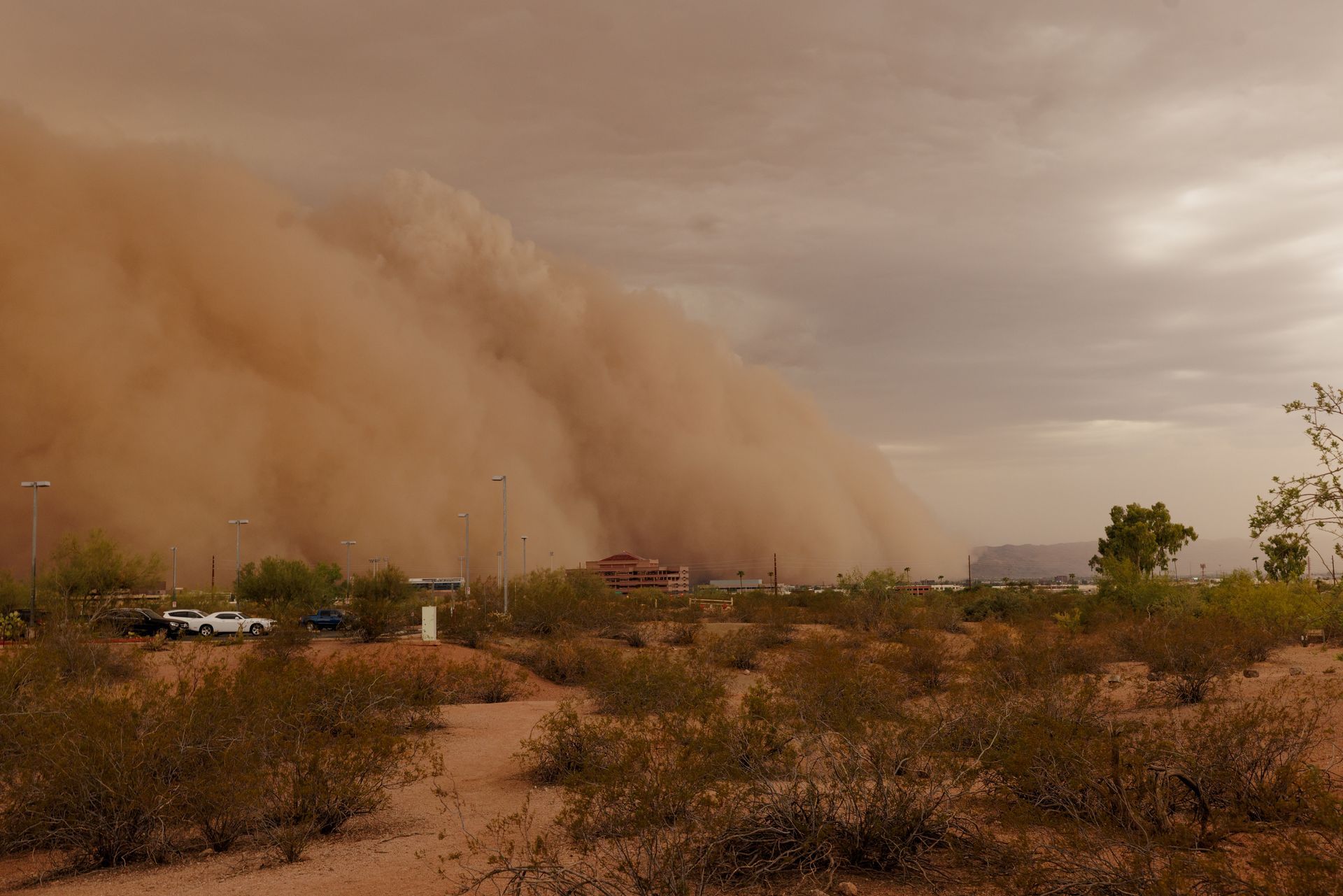
During monsoon season, dramatic outflow boundaries can generate powerful winds that send dust across the Valley.
These winds commonly reach 30 to 60 miles per hour, carrying enormous amounts of fine mineral particles through the air. While individual dust particles are microscopic, millions of them striking a surface at high speed over time create gradual abrasion.
This isn't the same as a single dramatic event damaging fabric overnight. Rather, it's the cumulative effect of repeated exposure that slowly wears protective coatings and contributes to normal aging.
Dirt Can Hold Heat
A layer of dirt on outdoor fabric can trap additional heat while also making the material more difficult to clean if left in place for too long. Although dust itself isn't usually the direct cause of fabric damage, allowing heavy buildup to remain can contribute to faster deterioration over time.
Regular maintenance helps preserve both appearance and performance.
Gentle Cleaning Makes a Difference
Many homeowners assume that vigorous scrubbing is the best way to remove desert dust. In reality, aggressive cleaning can do more harm than good.
Manufacturers generally recommend:
- Brushing away loose dust before washing
- Using mild soap and water
- Rinsing thoroughly
- Allowing fabrics to air dry completely
- Avoiding harsh chemicals or abrasive brushes
Quality Materials Matter
Not all outdoor fabrics are built for Arizona's demanding climate.
Premium materials like Sunbrella® fabrics are designed to provide excellent resistance to UV exposure, fading and long-term outdoor use, making them well suited for homes and businesses throughout the Phoenix area. Arizona Awnings offers hundreds of fabric options to match nearly any style while providing durable shade solutions customized for local conditions.
Trust Our Awning Installation Team for Long-Lasting Shade Solutions in Phoenix
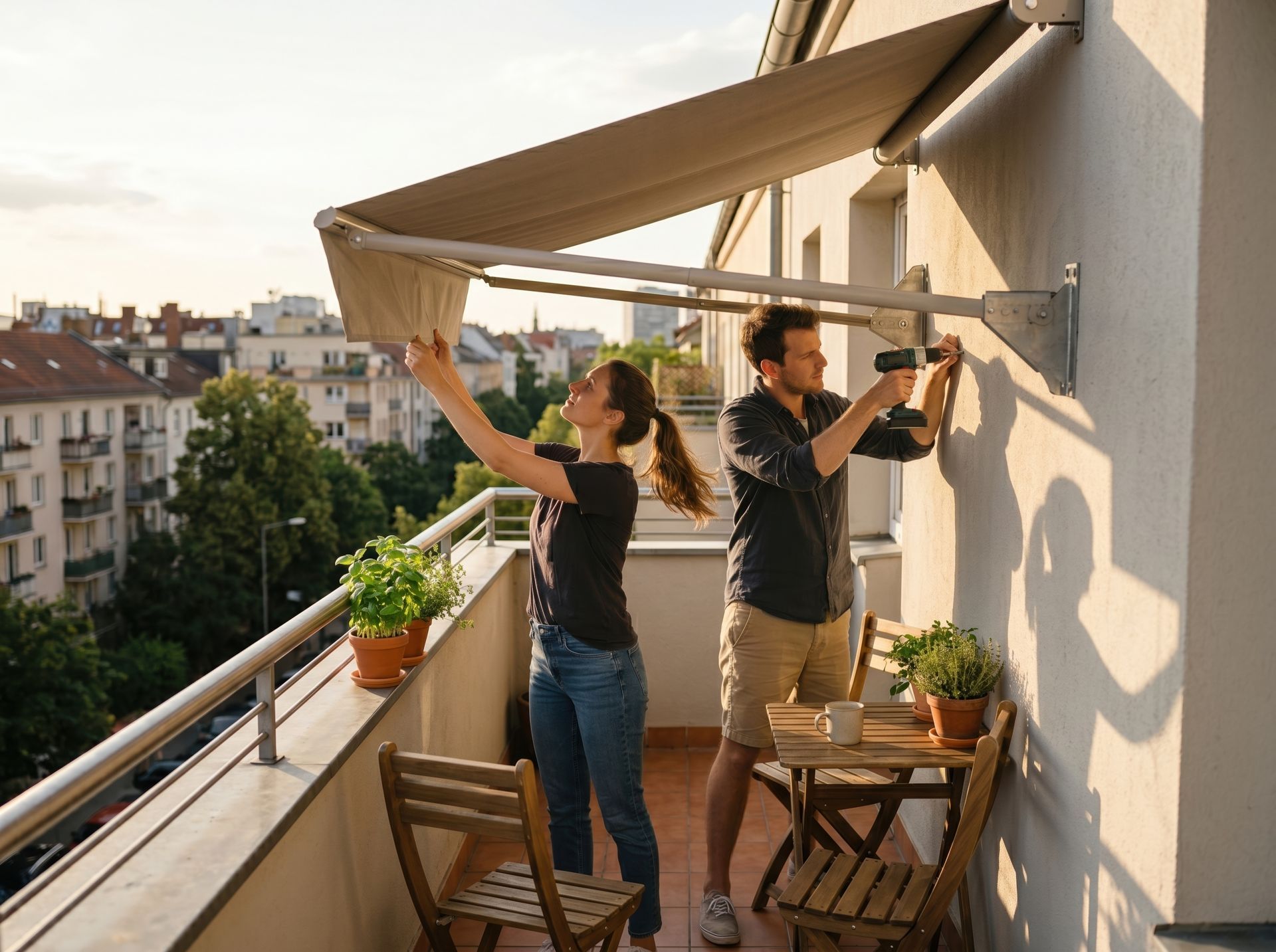
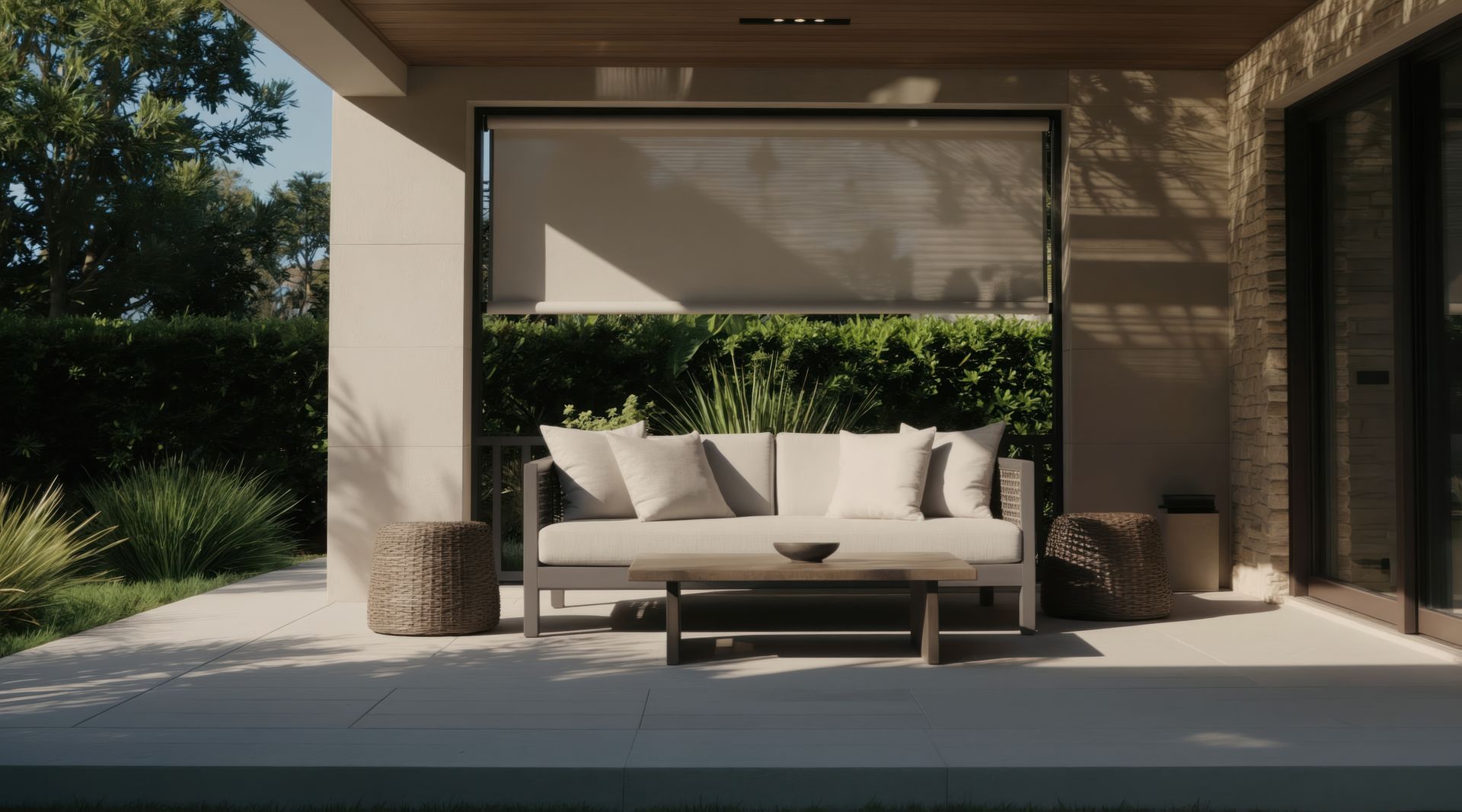
For more than 90 years, Arizona Awnings has designed and installed products. Our professionals provide custom residential and commercial awnings, retractable patio awnings, shade sails and other outdoor shade solutions throughout the Phoenix area.
Contact us at 602-252-3430 to schedule your free estimate and discover a shade solution that's designed to stand up to the desert.