What Openness Factor Means for Outdoor Shade Screens in Phoenix
The openness factor of a shade screen refers to the percentage of open space in the fabric weave. It is a measure of how much light and air can pass through the mesh. Lower percentages block more sunlight and visibility, while higher percentages allow more outward visibility and airflow.
For example:
- 1% openness means only 1% of the screen allows light and visibility through
- 3% openness allows slightly more visibility and airflow
- 5% openness allows even more natural light and outward viewing
The lower the number, the tighter the weave.
A tighter weave generally means:
- Better heat blocking
- Better glare reduction
- More daytime privacy
- Less outward visibility
A more open weave usually means:
- Better visibility looking outside
- More natural light
- More airflow
- A brighter, less enclosed feel
Why Phoenix Homes Need the Right Shade Screen Openness
While openness factor affects visibility and airflow in any climate, it can play a much larger role in comfort and energy efficiency in Phoenix due to the intensity of the sun and UV exposure.
South-facing and west-facing patios, walls and windows often receive intense afternoon sun exposure for months at a time. Without adequate shade protection, patios and the adjacent walls, windows, and patio doors can absorb and transfer a significant amount of heat.
The right shade screen can help:
- Reduce solar heat gain
- Cut glare dramatically
- Improve outdoor and indoor comfort
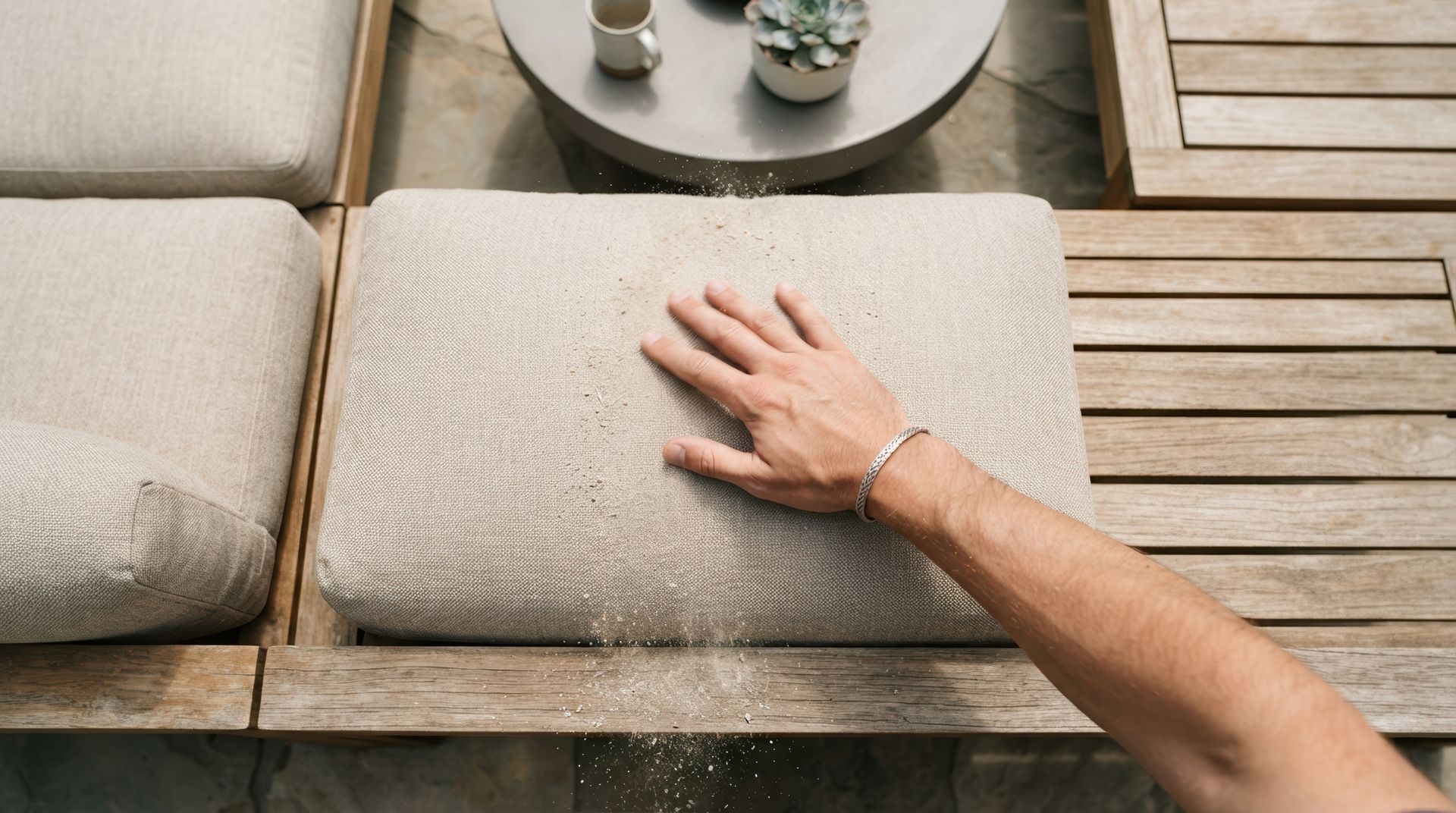
- Protect furniture from UV damage
- Lower cooling strain on nearby indoor spaces
1% Openness: Maximum Heat and Glare Control
A 1% openness screen provides the most aggressive sun protection. This type of fabric is ideal for:
- West-facing patios
- Areas with extreme glare
- Homes with direct afternoon sun
- Customers prioritizing privacy
- Commercial properties needing better cooling control
Because the weave is tighter, these screens block a large percentage of solar heat and UV rays.
The tradeoff is reduced outward visibility. From inside the patio or outdoor area, views appear darker and less open compared to higher openness fabrics.
Some homeowners also feel 1% screens create a more enclosed appearance, particularly on smaller patios. Whether that’s a good or bad thing depends on the owner’s preferences and how they want to use the patio.
3% Openness: The Most Popular Balance
For many Arizona homes and businesses, 3% openness offers the best middle ground. It balances:
- Heat reduction
- Visibility
- Daytime privacy
- Natural light
A 3% openness factor still blocks substantial heat and UV exposure while preserving better outward views than 1% fabrics.
This is often the preferred choice for:
- Covered patios
- Outdoor dining spaces
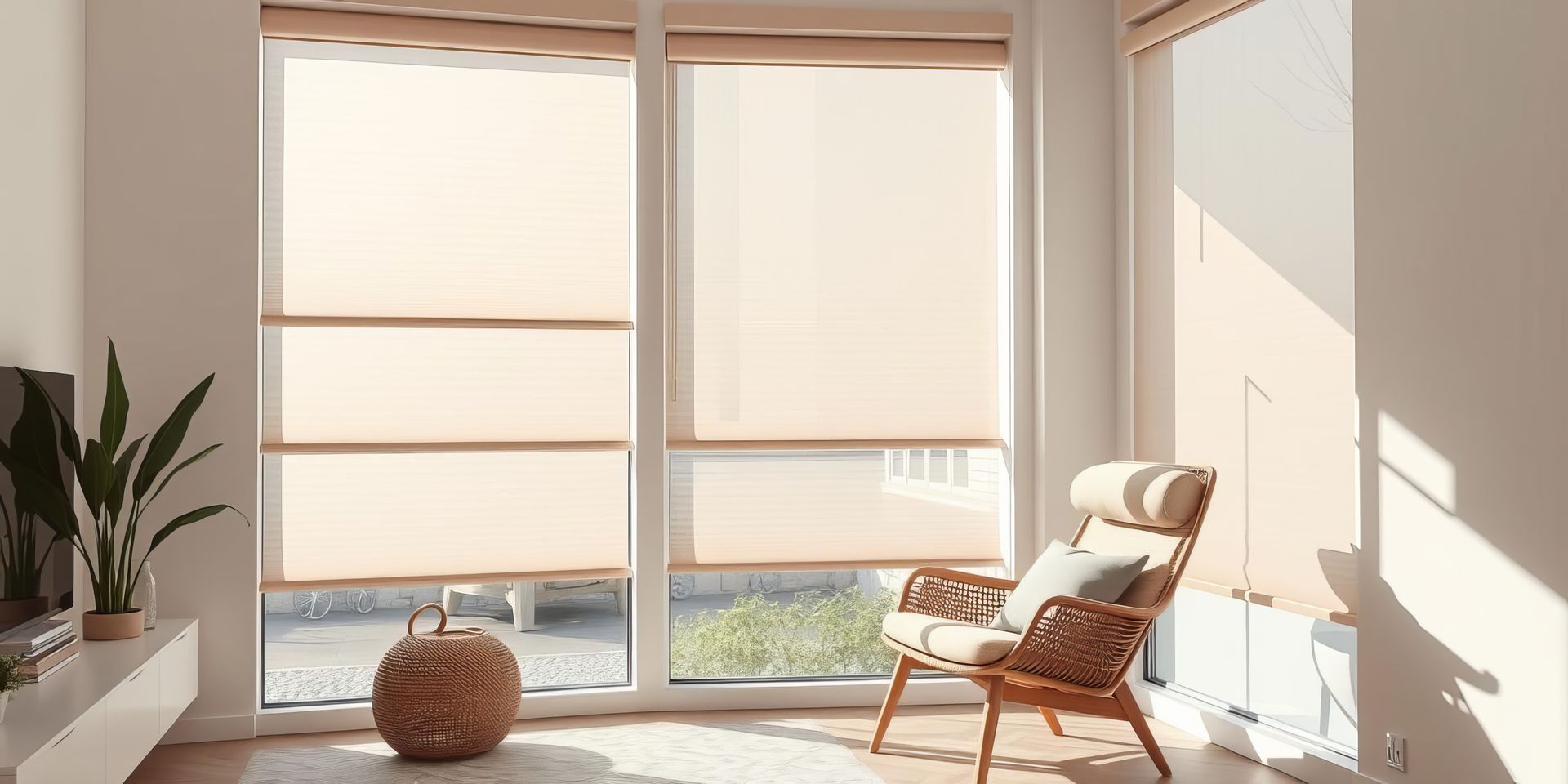
- West- and south-facing windows
- Residential backyard living areas
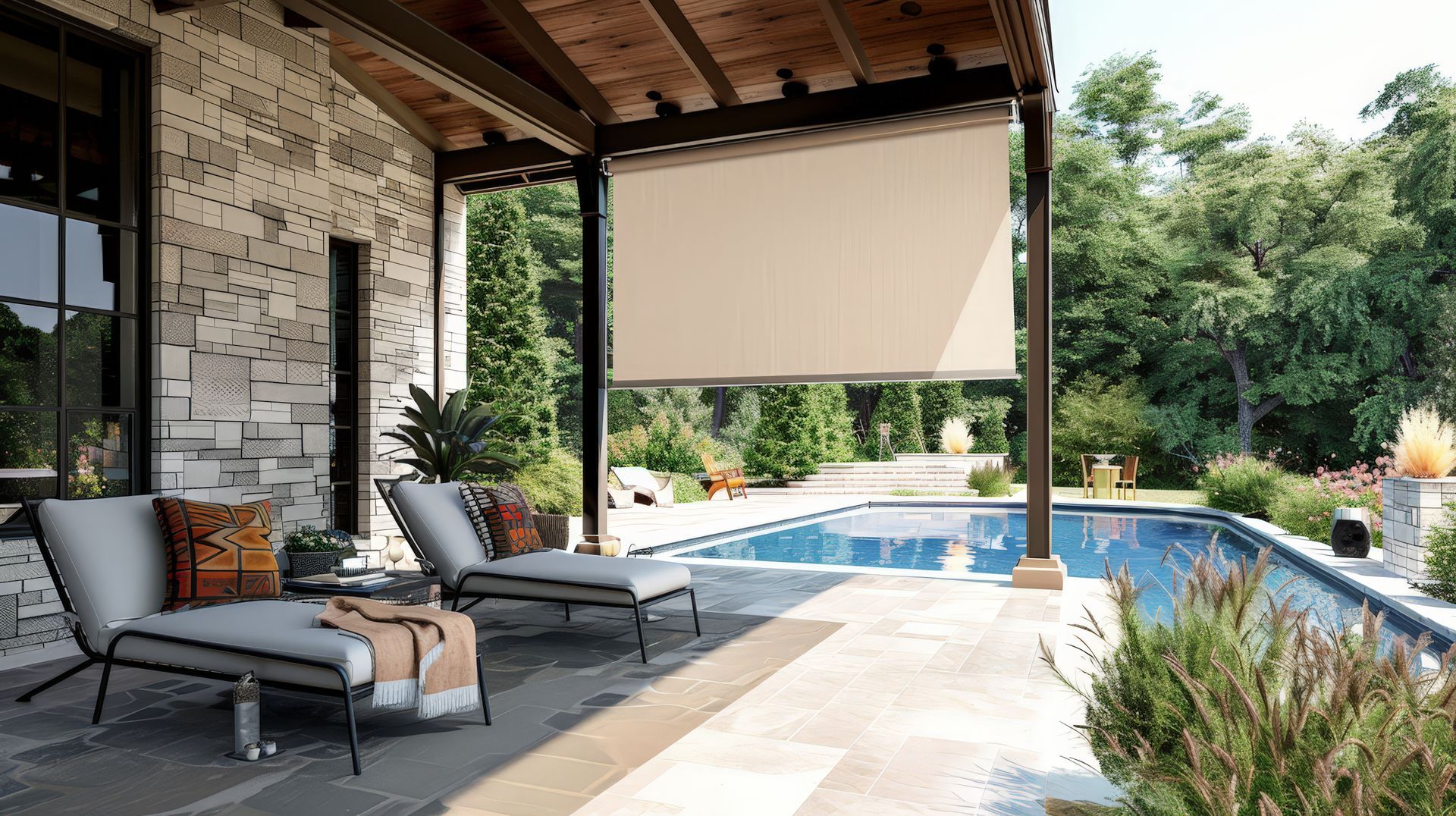
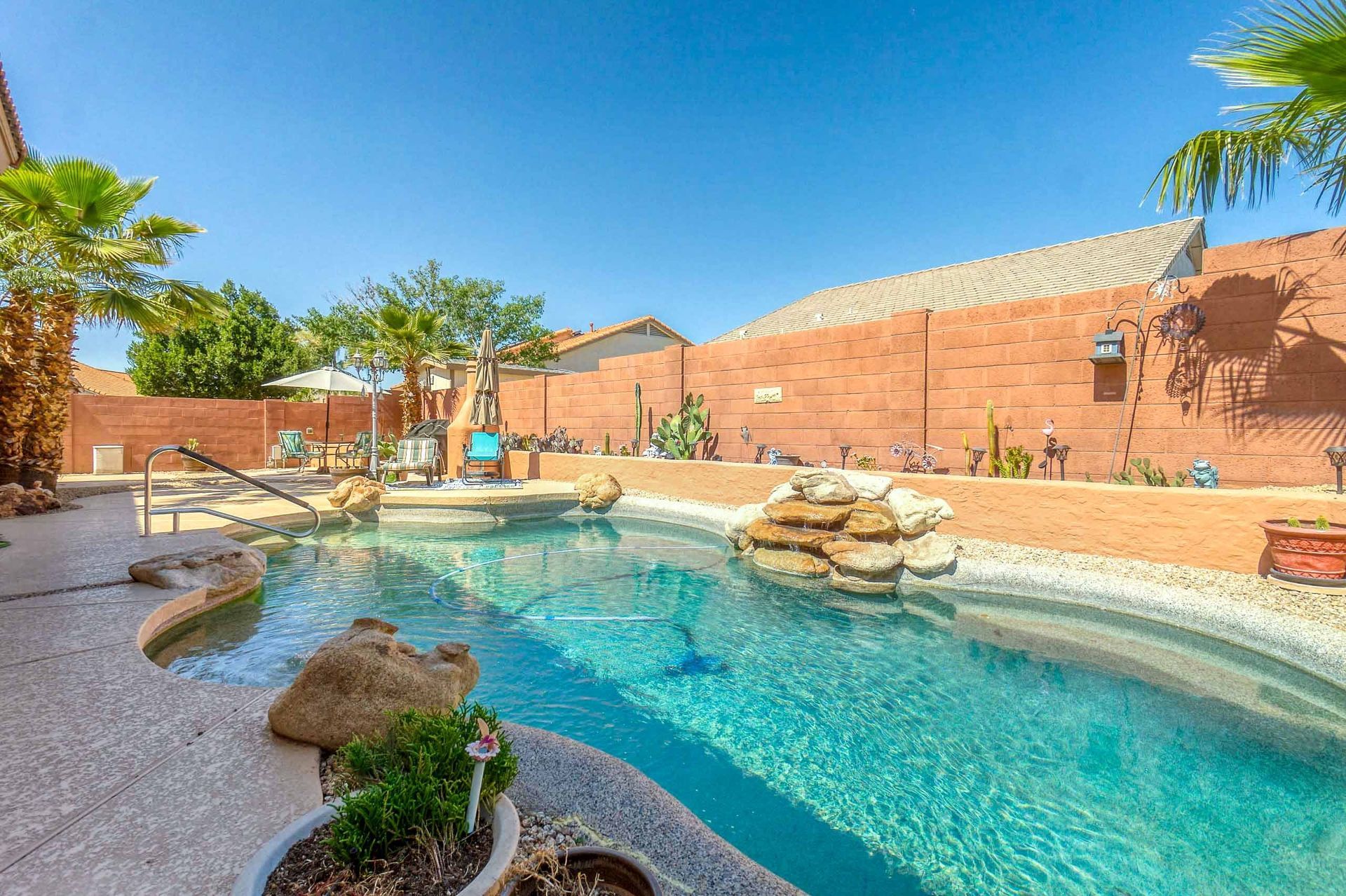
- Poolside seating areas
- Restaurants and commercial patios
Many homeowners find 3% screens provide enough visibility to enjoy mountain views or landscaping without sacrificing comfort.
In Phoenix neighborhoods where homes are close together, 3% openness also offers a solid balance between privacy and openness during daylight hours.
5% Openness: Better Views and More Natural Light
A 5% openness screen allows more visibility and natural brightness.
These screens work well for:
- Patios that already have substantial shade coverage
- North-facing outdoor spaces
- Areas where visibility is the top priority
- Customers who dislike darker screens
With 5% openness, outdoor areas tend to feel:
- More airy
- More open
- Brighter during the day
The downside is reduced heat-blocking performance.
In intense Phoenix sun, especially on western exposures, 5% screens may allow more glare and heat than some homeowners expect. They can still improve comfort significantly compared to having no screen at all, but they are generally less effective for maximum temperature reduction.
Visibility vs. Privacy in Phoenix Neighborhoods
One important thing to understand is that shade screen privacy changes depending on lighting conditions. During the daytime:
- People inside can usually see out clearly
- Visibility from outside looking in is reduced
At night:
- Interior lighting can make visibility from outside easier
Lower openness fabrics typically provide stronger daytime privacy than higher openness materials. This may be important for:
- Pool areas
- Patio dining spaces
- Homes with close neighboring properties
- Commercial seating areas
Why Professional Guidance Matters
There is no universal “best” openness factor for every property. The right solution depends on personal preferences, project goals and, if relevant, HOA considerations. (Some Phoenix-area HOAs may have appearance guidelines for exterior shade screens, including limitations on visible screen colors or how dark the material appears from the outside.)
An Arizona Awnings shade screen specialist can explain the variables, show you samples and help you decide on which balance is best for your home or business.
Contact Our Team for Custom Outdoor Shade Solutions in the Greater Phoenix Area
For more than 90 years, Arizona Awnings has helped Phoenix-area homeowners and businesses create more comfortable outdoor spaces with custom shade solutions built for Phoenix’s climate.
Contact us today at 602-252-3430 to schedule a free consultation and estimate.