What Percentage Shade Cloth Is Best for Exterior Solar Shades in Phoenix?
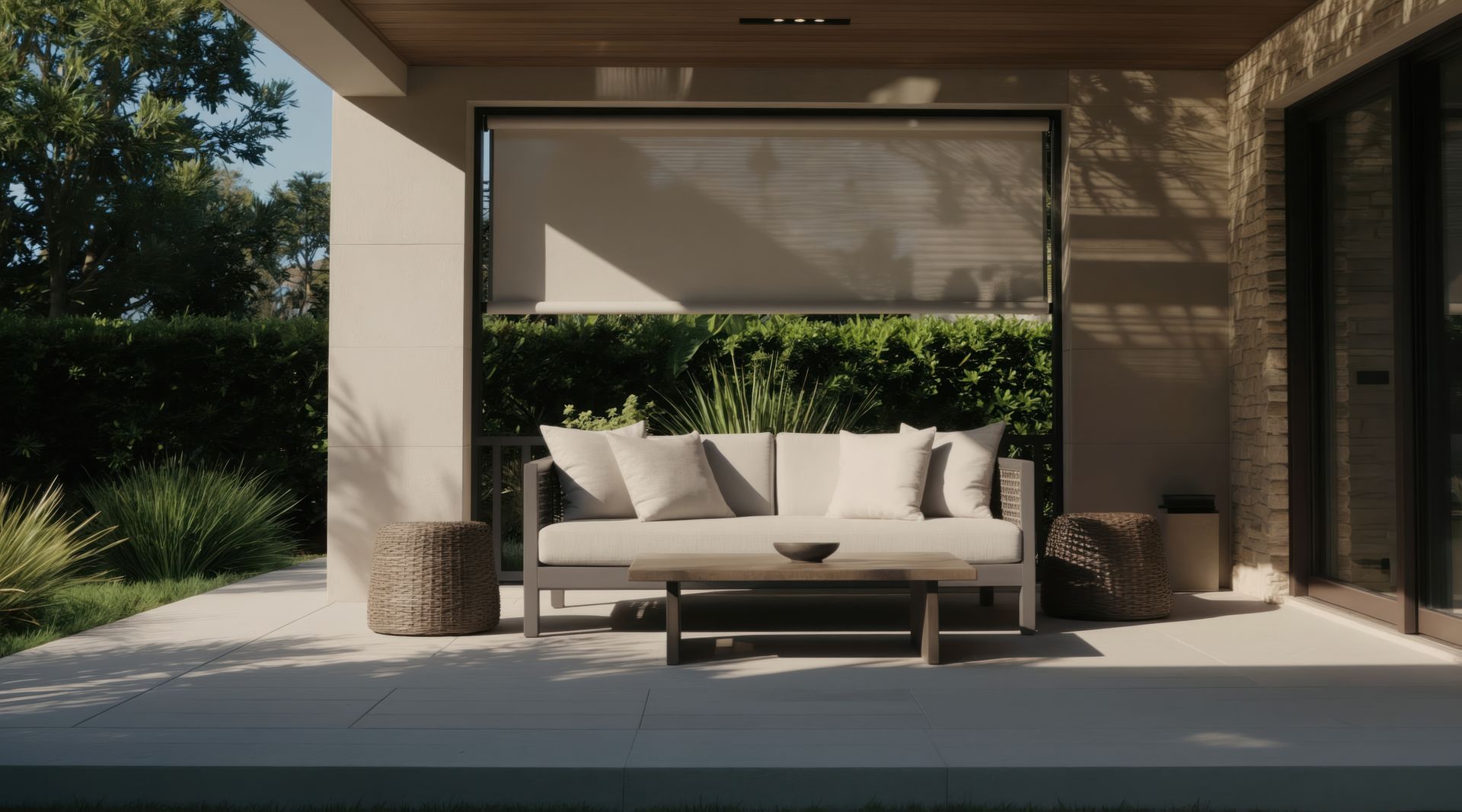
Choosing the right shade cloth percentage for roll-down patio shades isn’t just about blocking sunlight; it’s about balancing heat reduction, airflow, visibility, and how you actually use your outdoor space.
During summer in Phoenix, the difference between 70%, 80%, 90%, and 95% shade cloth can significantly change how comfortable your patio feels and how much direct sun reaches nearby windows, sliding glass doors and exterior walls.
What Shade Cloth Percentage Means
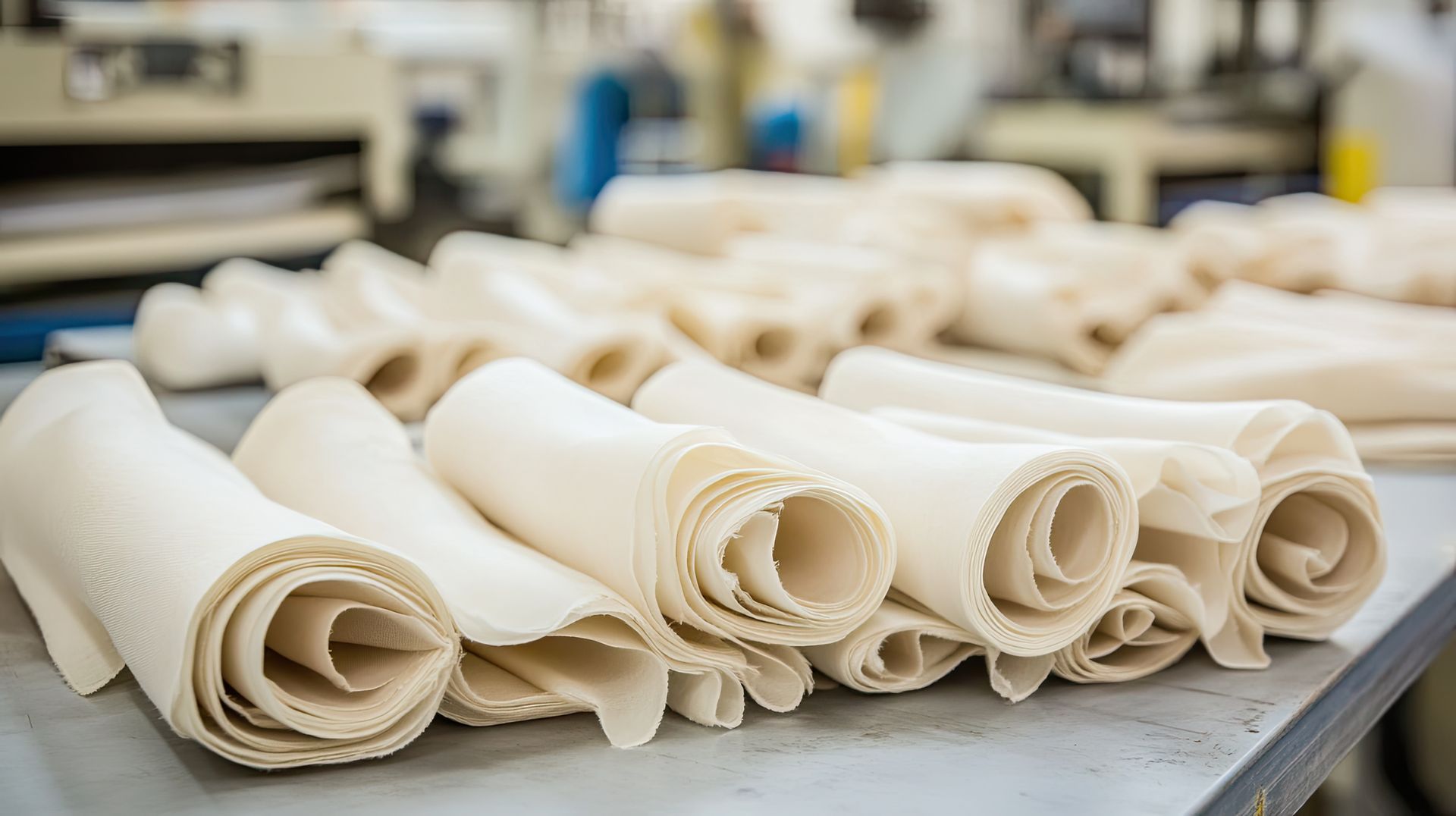
Shade cloth percentage refers to how much sunlight the material blocks. For example, 90% shade cloth blocks approximately 90% of incoming sunlight while still allowing some airflow and visibility through the fabric.
In general, higher shade percentages provide greater sun and heat reduction, but they also allow less natural light and visibility. In Phoenix, where both cooling and ventilation are important, finding the right balance can make a significant difference in comfort.
70% Shade Cloth: Light, Airy, and Bright
A 70% shade cloth is the lightest commonly used option for patios. It provides partial sun protection while keeping the space bright and open.
This level works well for areas where you don’t want to fully block sunlight, such as garden spaces or patios where you still want natural light. It also allows strong airflow, which helps reduce trapped heat.
However, in Arizona’s peak summer conditions, 70% shade cloth often isn’t enough for west-facing patios or areas with long afternoon sun exposure. It reduces glare but does not significantly lower temperatures.
80% Shade Cloth: The Most Versatile Option
80% shade cloth blocks enough sunlight to make patios noticeably cooler while still allowing decent outward visibility and brightness. Many homeowners find this level ideal for everyday outdoor living, including dining areas and seating spaces.
It’s also flexible enough for different patio orientations, making it a strong “middle ground” option if you’re unsure what to choose.
90% Shade Cloth: Strong Heat Protection
90% shade cloth significantly reduces heat and glare, making outdoor spaces far more usable during peak summer months.
This level is especially effective for west-facing patios, which receive intense afternoon sun in Arizona. It can help keep patio surfaces cooler and creates a more comfortable shaded environment for extended outdoor use.
The tradeoff is reduced outward visibility and a slightly darker feel. While still breathable, it can feel more enclosed than lower-percentage options.
95% Shade Cloth: Maximum Coverage and Privacy
95% shade cloth provides the highest level of sun blockage available in standard residential applications. It nearly eliminates direct sunlight and creates deep shade conditions.
This is ideal for:
- Extreme heat exposure areas
- Privacy screens between neighbors
- Pool equipment or utility enclosures
- Patios needing maximum sun protection
However, it also reduces outward visibility and openness the most and can make outdoor spaces noticeably darker. Because of this, 95% is best used in targeted areas rather than covering an entire patio unless extreme heat control is the top priority.
Pool Areas vs Patios
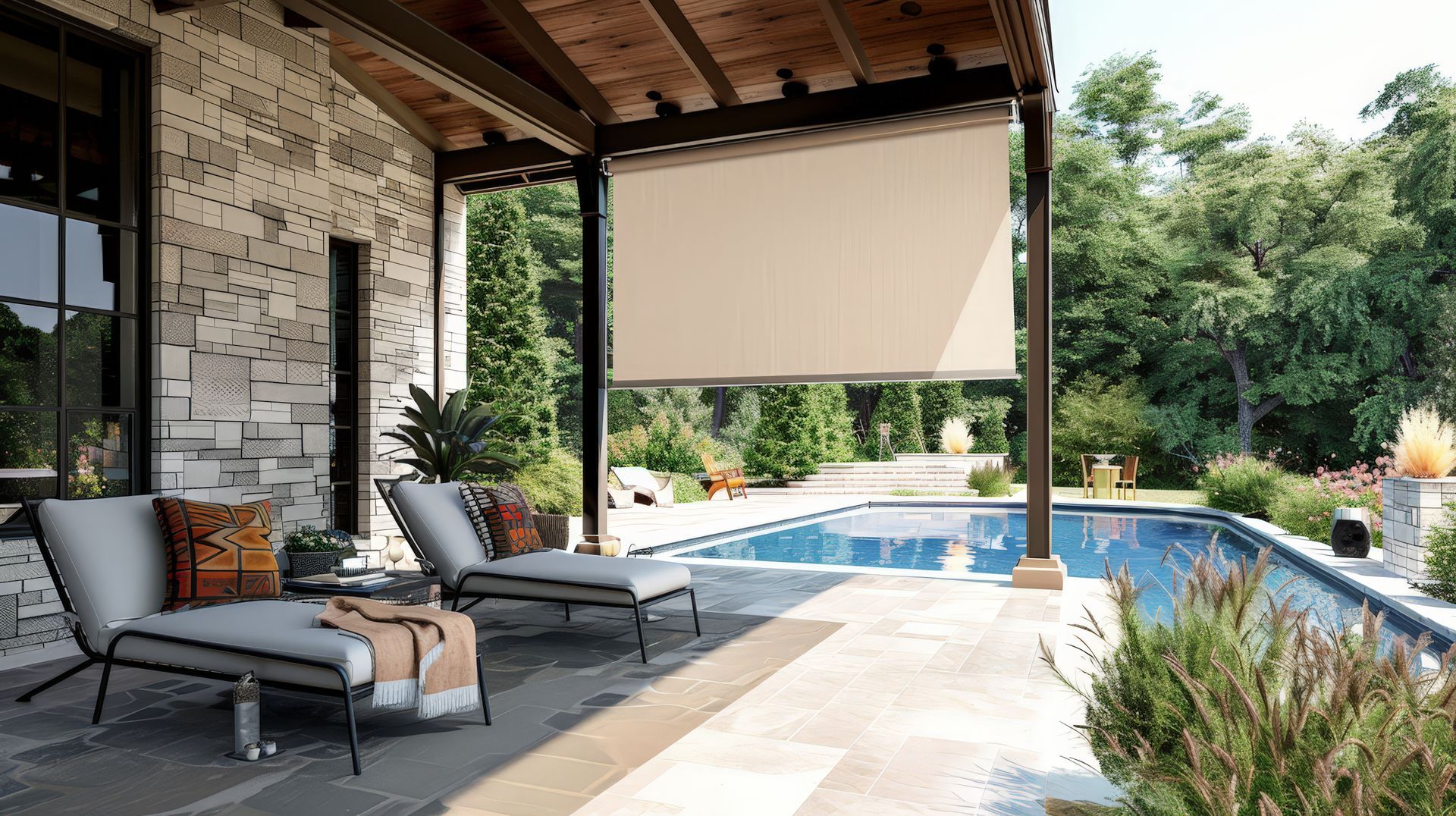
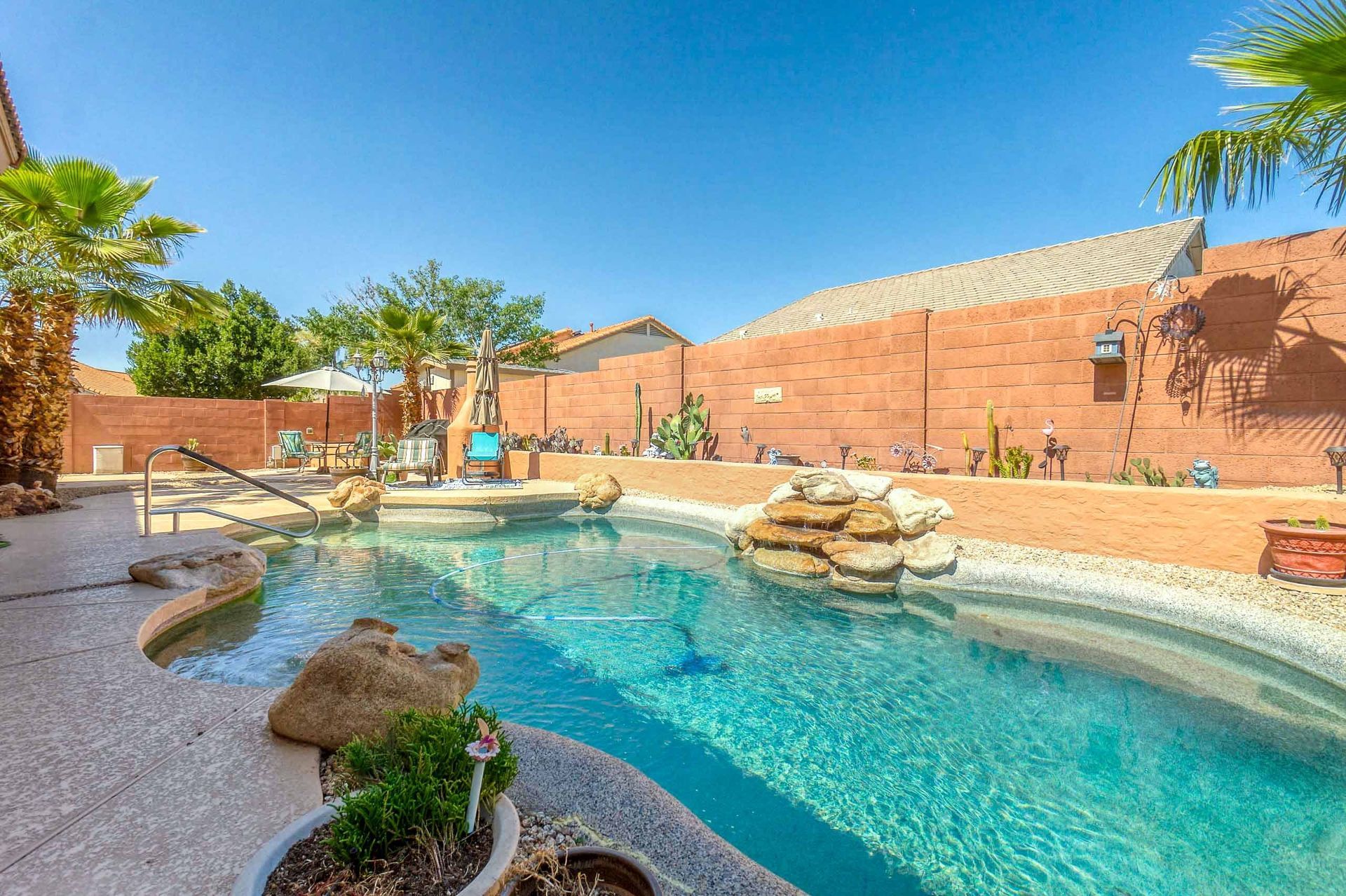
For pool areas, 70%–80% shade cloth is often ideal. It provides sun protection without making the area too dark, helping maintain visibility and a bright, resort-like feel.
For patios and seating areas, especially those used for dining or entertaining, 80%–90% shade cloth is usually preferred. These spaces benefit from stronger heat reduction and more consistent comfort during the hottest parts of the day.
Choosing the Right Shade Cloth for Exterior Solar Shades in Phoenix
At Arizona Awnings, we design custom residential and commercial shade solutions, including manual and motorized roll-down shades for windows and patios. Contact us today or give us a call at 602-497-3374 to create a cooler, more usable outdoor space designed for Arizona’s heat.