How to Choose an Awning Fabric Color for Arizona Heat
Choosing an awning fabric color in Arizona isn’t just a design decision; it directly affects how comfortable your outdoor space feels, how long your awning lasts and how well it performs under extreme sun exposure. In Phoenix and surrounding areas, where temperatures regularly soar and UV intensity is high year-round, the color of your awning fabric plays a major role in heat absorption, fading resistance and overall durability.
Dark vs. Light Fabrics: What Really Matters in Arizona
One of the first decisions homeowners face is whether to choose a dark or light fabric. Both can work well, but they behave very differently in extreme heat.
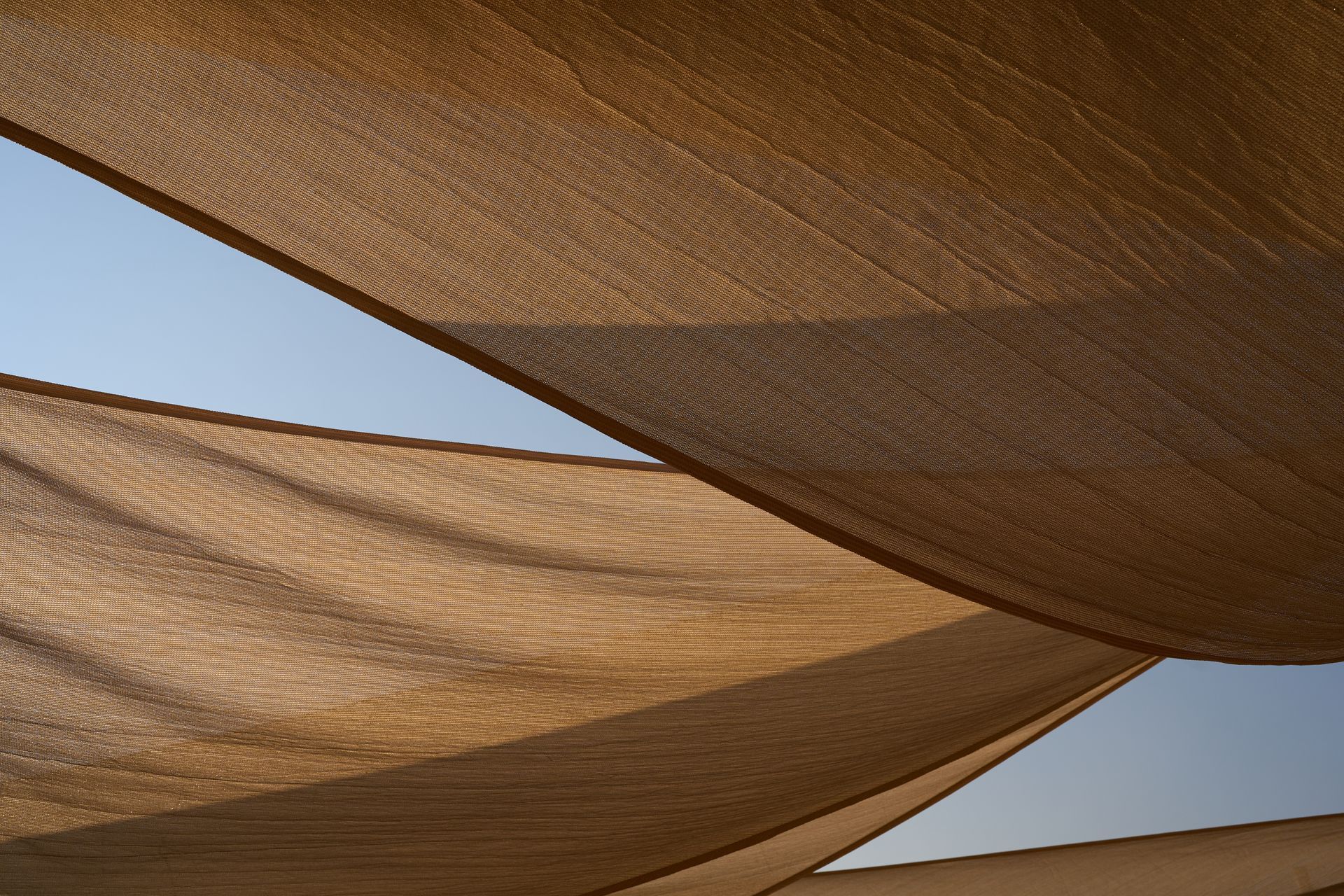
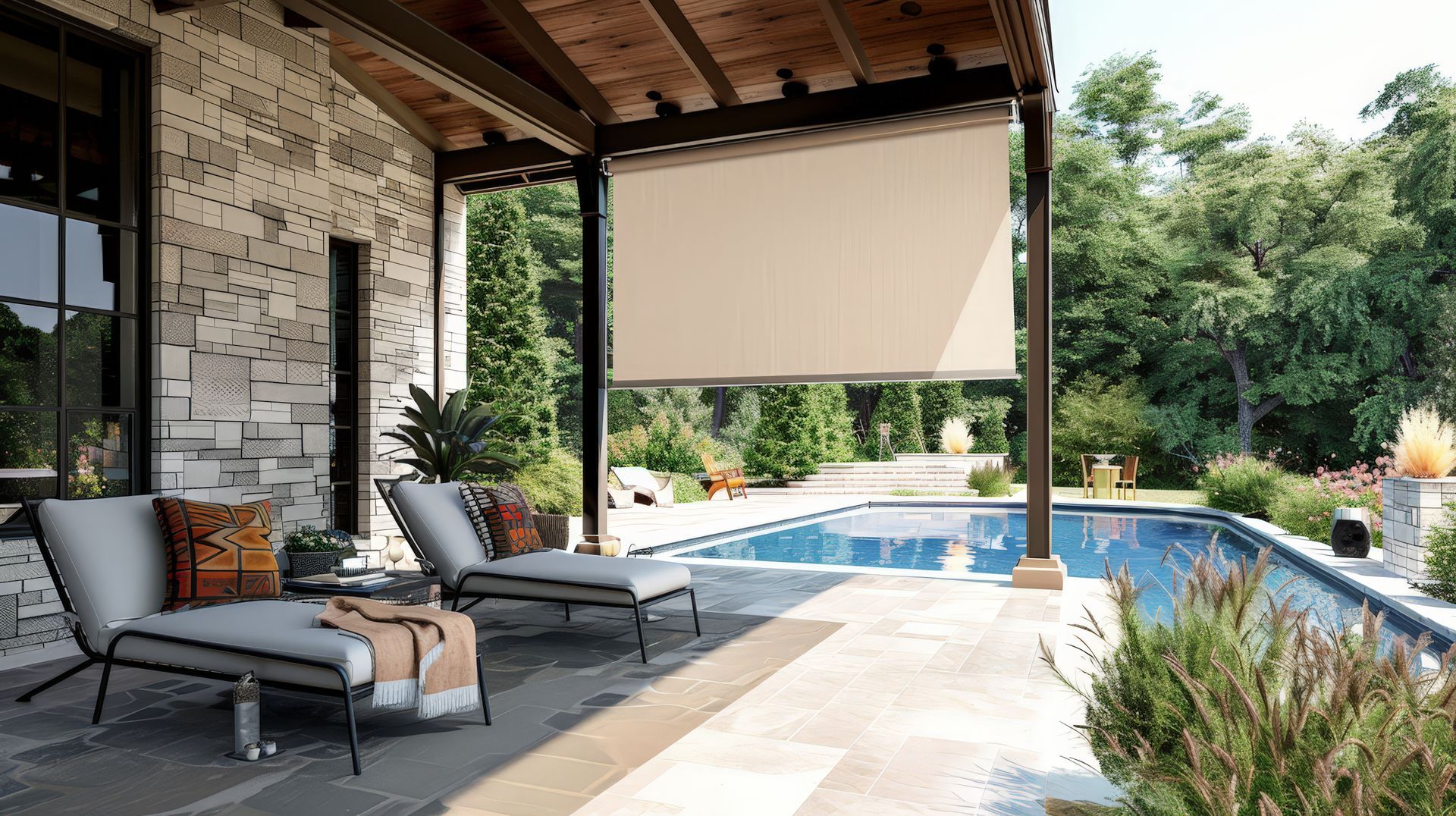
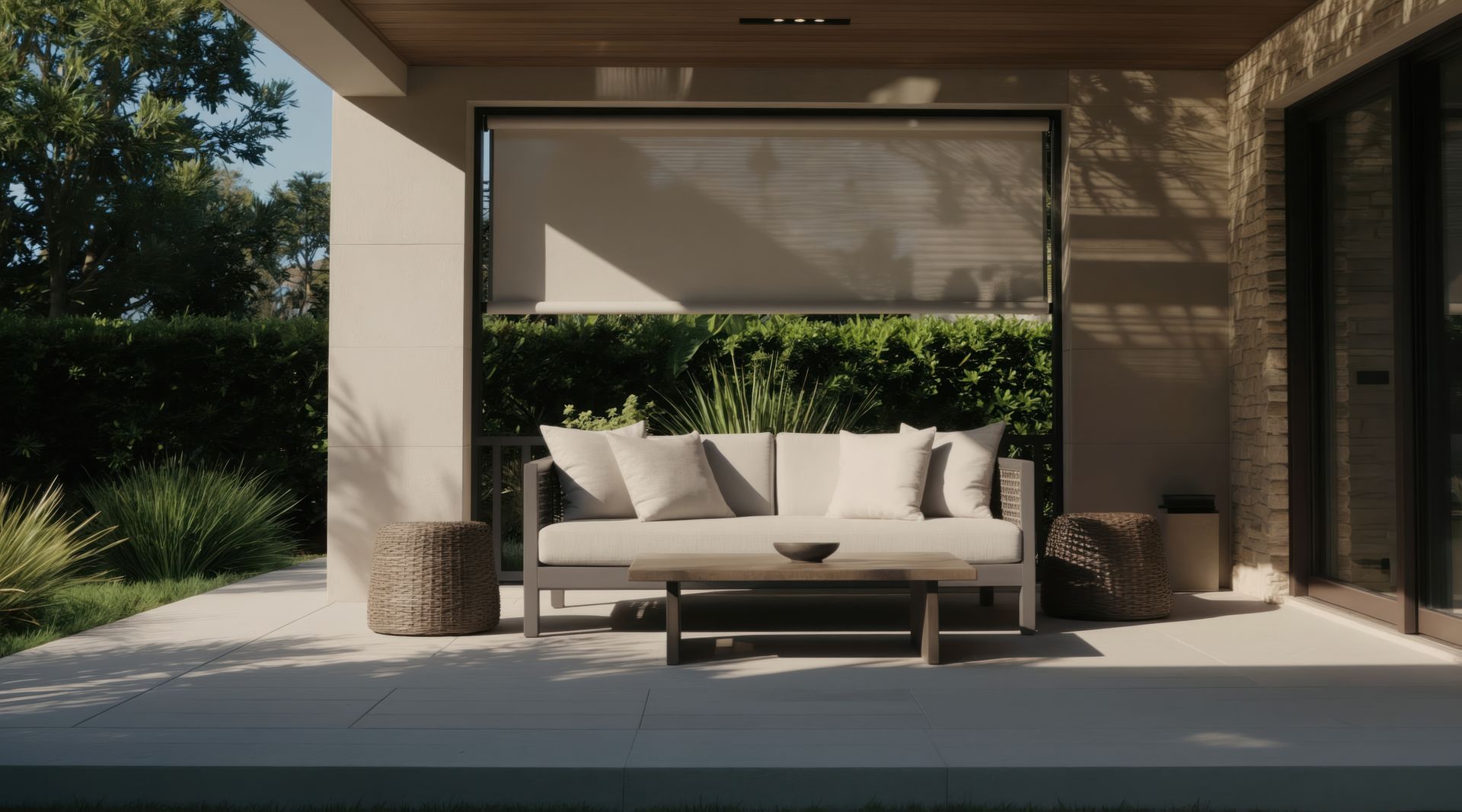
Light-colored fabrics (such as beige, sand or light gray) tend to reflect more sunlight. This can help reduce heat buildup under the awning, making the shaded area feel slightly cooler. Light fabrics also give outdoor spaces a brighter, more open feel, which many homeowners prefer for patios and pool areas.
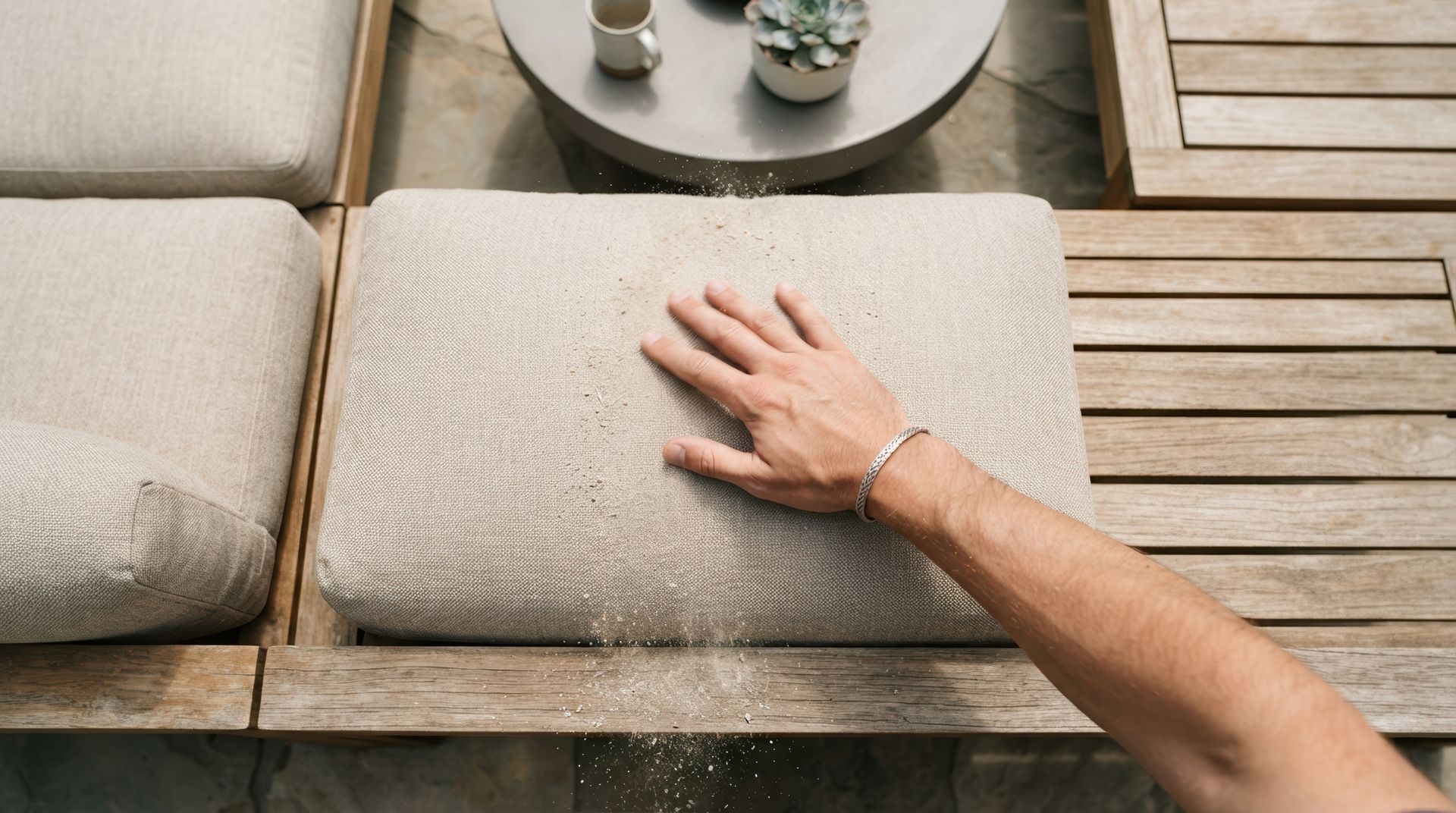
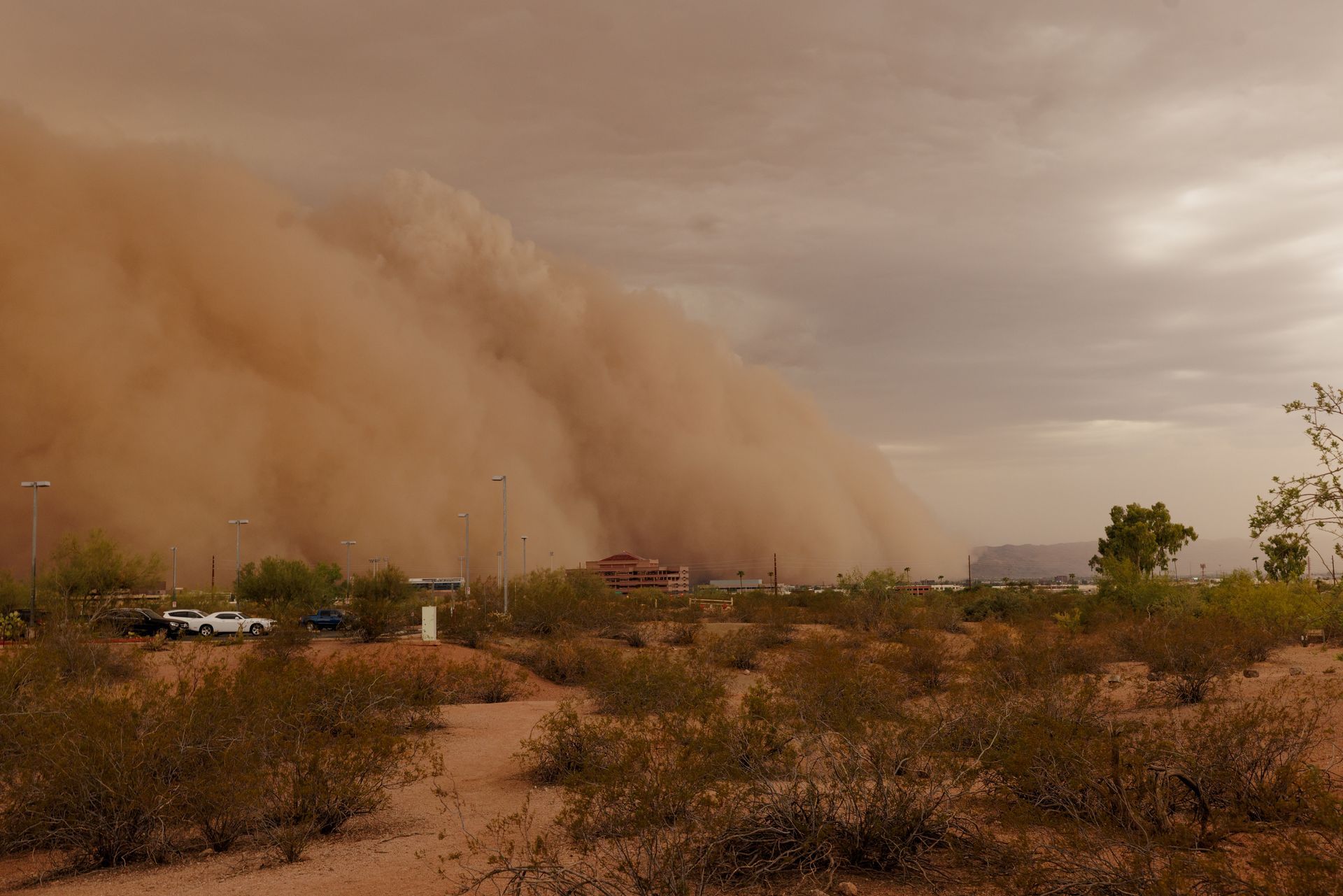
However, light colors can show dirt, dust and stains more easily, something to consider in Arizona’s dry, dusty environment.
Dark-colored fabrics (such as navy, charcoal or deep green) absorb more sunlight, which can make the fabric itself warmer. That said, they often provide stronger visual shade and can make glare reduction feel more effective to the eye.
Heat Absorption and Comfort Under the Awning
While awnings are designed to provide shade, the fabric color can influence how much radiant heat is absorbed or reflected.
Lighter colors reflect more sunlight, which can help reduce surface temperatures under direct sun. This is especially useful for patios that get intense midday exposure.
Darker fabrics absorb more heat energy, but they also block light more effectively. This can create a deeper shade effect, which some homeowners find more comfortable despite slightly higher fabric temperatures.
It’s also important to consider where the awning is installed. For west-facing patios that receive intense afternoon sun, a lighter fabric may help reduce heat buildup. For covered entryways or seating areas where glare reduction is more important than raw temperature reduction, darker fabrics can work well.
Awning Fabric Fading in Phoenix
No matter what color you choose, awning fabric fading is inevitable in the Phoenix metro area without proper UV protection. The region’s intense sunlight accelerates color breakdown on lower-quality materials.
Lighter fabric tends to be less noticeable because they start closer to sun-washed tones. Darker fabrics, however, often reveal fading more noticeably over time as rich colors gradually soften or shift.
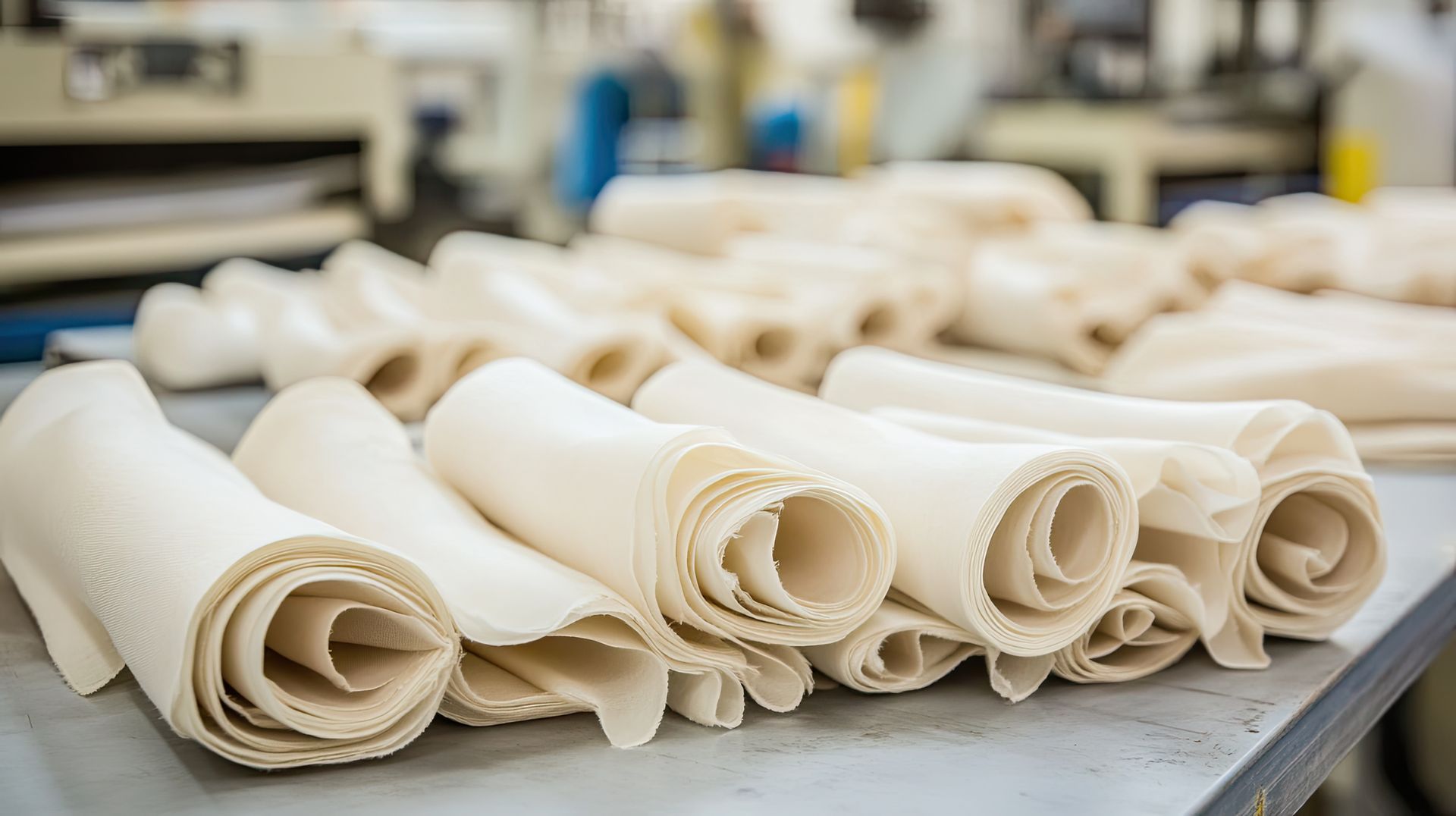
High-quality, solution-dyed acrylic fabrics that are specifically designed for UV resistance maintain color longer because the pigment is embedded into the fibers rather than applied only to the surface.
UV Resistance and Fabric Performance
A fabric’s ability to block UV rays depends on its construction, density and coating, not just its color.
Darker fabrics may offer slightly higher UV blocking because of their pigment density, but with high-quality solution-dyed acrylic fabrics like Sunbrella, the difference is usually slight and not something most homeowners will notice in everyday use.
Fabric quality, construction and dyeing method generally matter more than color alone. If you have a strong design preference, both light and dark awning fabrics can typically provide excellent shade and UV protection when you choose a quality material.
In fact, a lighter, high-performance fabric will usually outperform a darker, lower-quality one in both durability and protection.
HOA Considerations and Neighborhood Guidelines
If you have an HOA, check for any restrictions on awning colors, fabrics or styles:
- Approved color palettes
- Restrictions on patterns or stripes
- Requirements for consistency with exterior paint or trim
- Approval processes for exterior modifications
Matching Architecture, Exterior and Landscaping
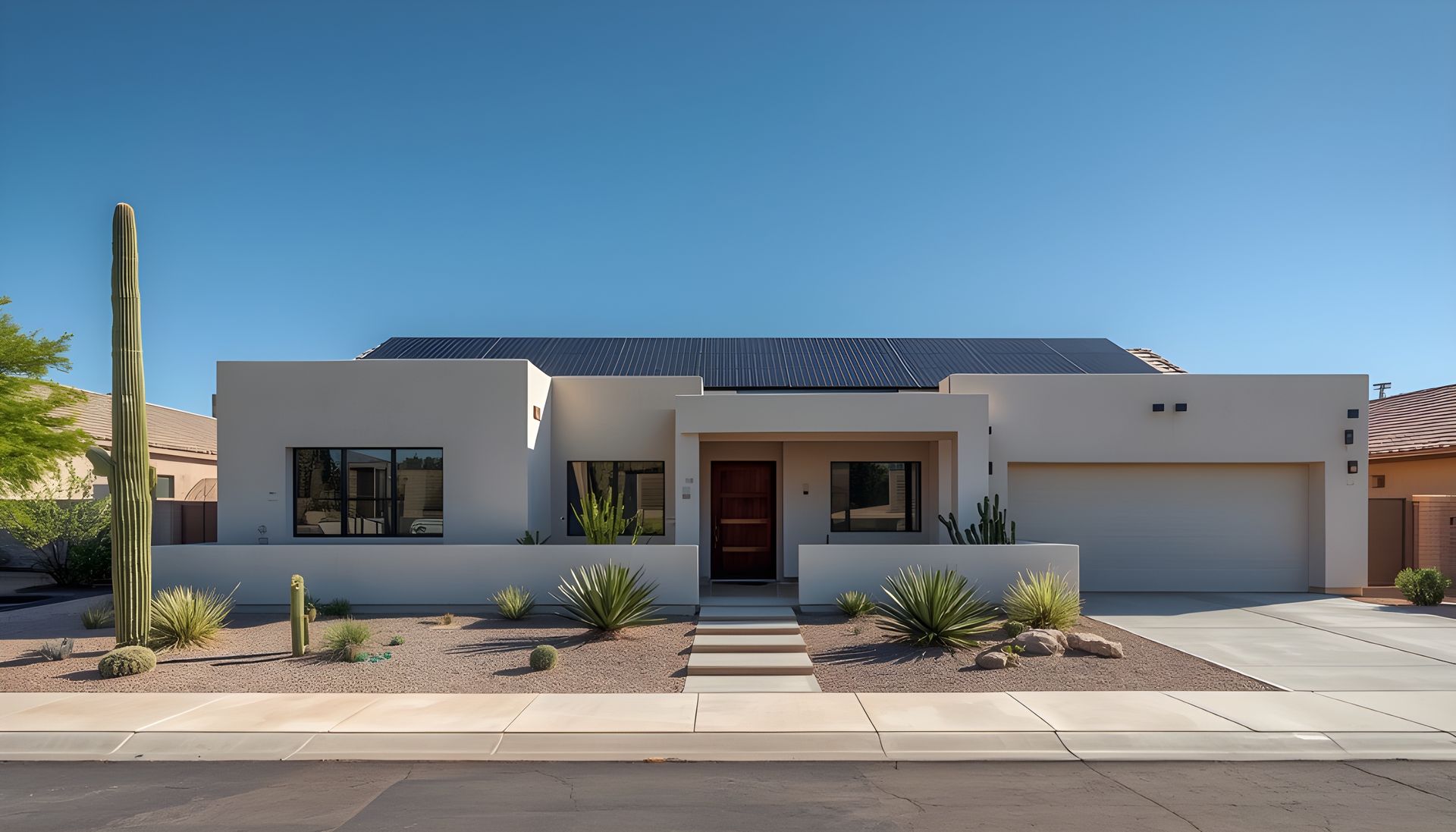
Beyond performance, awning fabric color should complement the overall look of your home and outdoor environment. In Arizona, where desert landscaping and stucco exteriors are common, color harmony is important.
- Neutral tones such as beige, sand and warm gray pair well with desert landscaping. These colors blend naturally with stone, gravel and native plants.
- Earthy greens and browns can complement homes with natural color palettes, especially those featuring tan, brown, cream or stone-colored exterior finishes. These colors often blend well with surrounding landscaping while creating a cohesive transition between the home and outdoor living areas.
- Cooler tones like slate blue or charcoal can complement modern architecture, especially homes with metal accents, dark trim or contemporary design features.
Choose an Awning Fabric Color You Like Without Sacrificing Performance
At Arizona Awnings, we help homeowners select high-performance fabrics that are built for extreme desert conditions while still matching their home’s style.
Contact us at 602-497-3374 to explore fabric options and get expert guidance on selecting the perfect color for your space.