What Happens to the Shade When an Awning Is Mounted Higher?
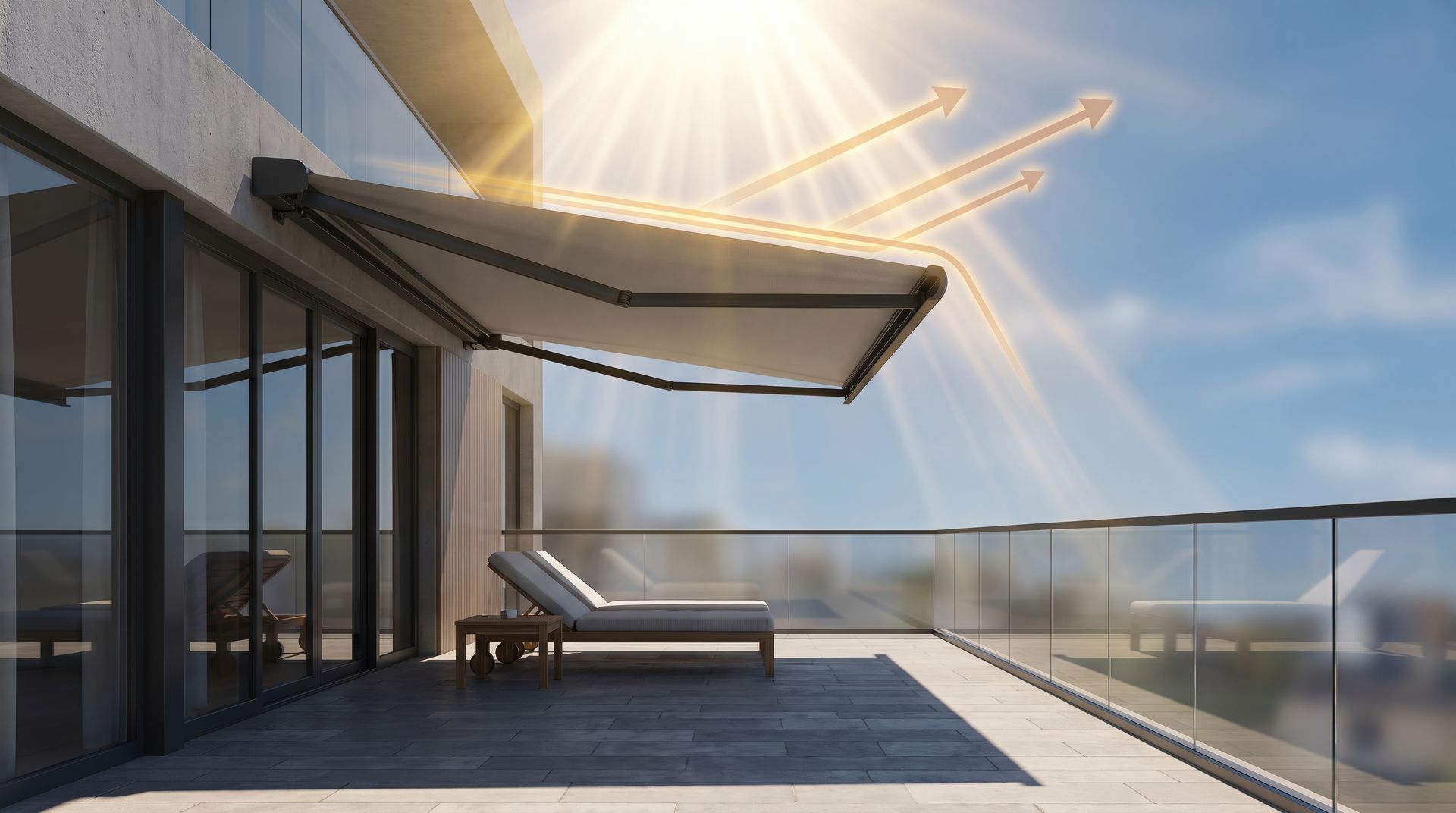
When planning a patio awning or retractable awning, mounting height might seem like a simple question of how much headroom you want underneath it. However, where an awning is mounted can also affect where its shade falls. Raising the mounting point changes the relationship between the awning, the building and the sun, which can become especially noticeable when the sun is lower in the sky.
For Phoenix homeowners, where patios can be exposed to intense sunlight throughout much of the year, proper placement matters. An awning should be measured and positioned based on the specific home and the area you want to shade rather than simply choosing dimensions based on patio size.
A Higher Mounting Point Changes the Shadow
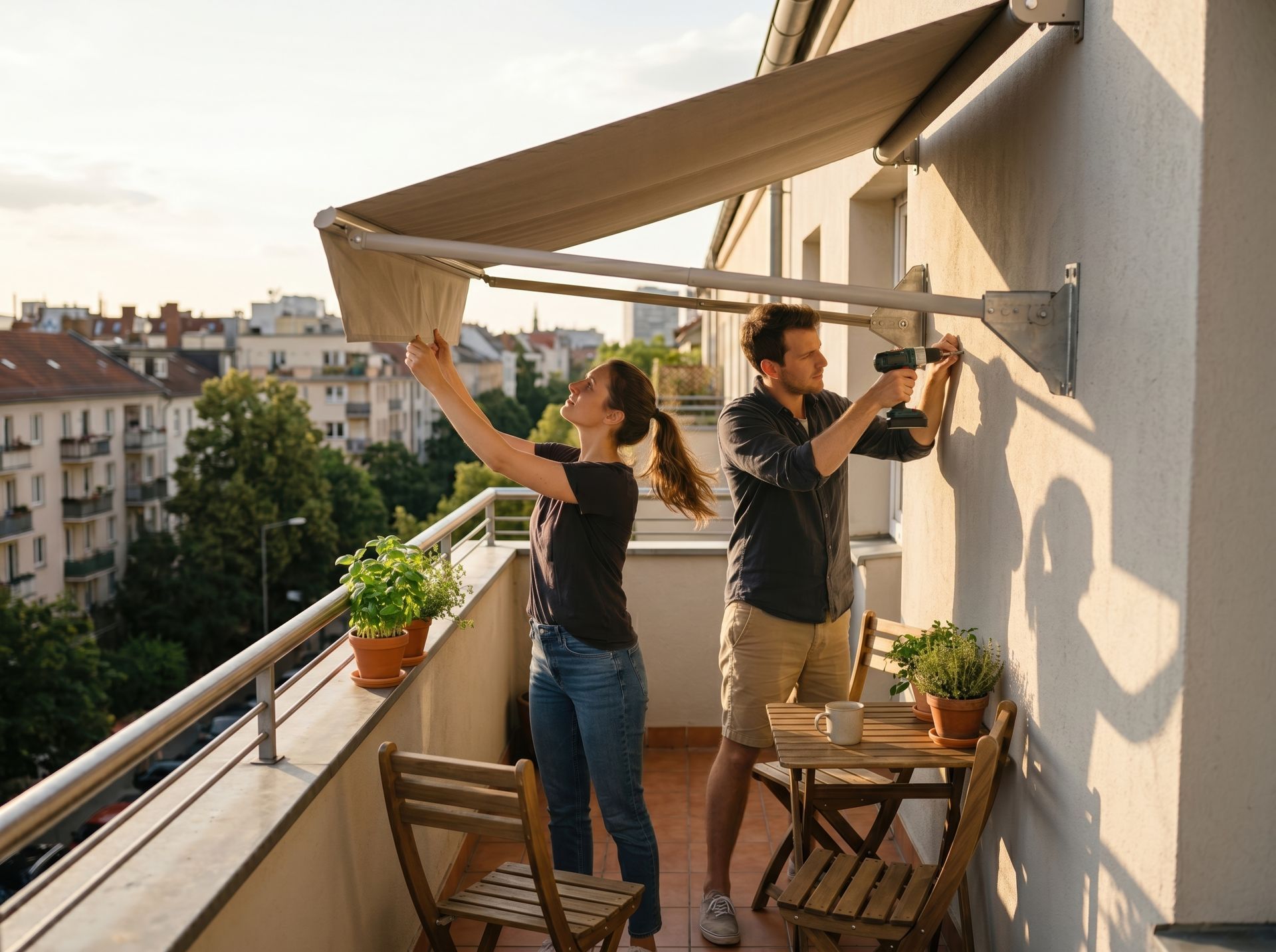
An awning mounted higher on the exterior wall will naturally have a different relationship to the space below it. The height of the mounting point, combined with the awning's projection and pitch, determines where the shaded area extends.
This becomes particularly important when the sun is lower on the horizon. A low sun angle can send sunlight underneath an awning from the side, potentially reaching parts of a patio that remain shaded when the sun is higher.
Pitch can help compensate for a higher mounting point, but only within the range the awning and installation allow. A steeper angle can extend the shaded area lower and provide better protection from low-angle sun, but too much pitch can reduce headroom, affect the appearance of the awning and may not be compatible with the selected system or mounting configuration.
Consider Doors and Windows
The location and height of doors and windows is another important part of determining mounting height. An awning may need to be positioned above a door or window while still providing adequate coverage for the outdoor area.
For example, mounting an awning above a doorway may provide clearance for people entering and exiting the home, but the available mounting height can affect how far the awning needs to project to shade the desired area.
Reducing direct sunlight through nearby windows during the times of day when sun exposure is strongest is another common goal of patio awnings. The awning's location and projection should account for the position of those windows rather than simply extending over the nearest section of patio.
Projection Matters as Much as Mounting Height
A higher-mounted awning may require sufficient projection to move the shaded area far enough outward to cover the intended seating, dining or entertaining area. If the projection is too short for the mounting height and sun conditions, the shadow may fall closer to the building than you expected.
This is one reason patio dimensions alone do not tell the whole story. The same awning size can produce different shade coverage depending on patio orientation and how it is installed.
Why Building Measurements Matter More Than Patio Dimensions
Doors, windows, rooflines, fascia, exterior walls, architectural features, utilities and available mounting surfaces can all influence where an awning can be installed and how it should be positioned.
The goal is not necessarily to cover the largest possible area. It is to position the awning so the shade reaches the areas where you actually want it while maintaining appropriate clearance and working with the structure of the home.
Think About When You Need Shade
The sun does not remain in the same position throughout the day or year. An awning that provides excellent coverage during one part of the day may allow more sunlight through at another time as the sun changes position.
Think about when you use your patio most often. Morning coffee, afternoon relaxation, outdoor dining and evening entertaining can each present different shade requirements.
Considering when and how the awning will be used can help determine the right mounting height, projection and pitch. For example, if the main goal is to make a patio more comfortable during Phoenix's fall, winter and spring outdoor season, the position of the sun during those months may be especially important. If the awning is primarily intended to reduce direct summer sunlight on nearby windows or exterior walls, summer sun angles may deserve more attention.
Get the Measurements Right With Our Phoenix Awning Experts
If you're considering an awning and want to make sure it is positioned for the shade coverage you actually need, contact Arizona Awnings at 602-252-3430 to discuss your outdoor space and installation options.