Why Do Some Patio Awnings Develop Wrinkles or Sagging Fabric?
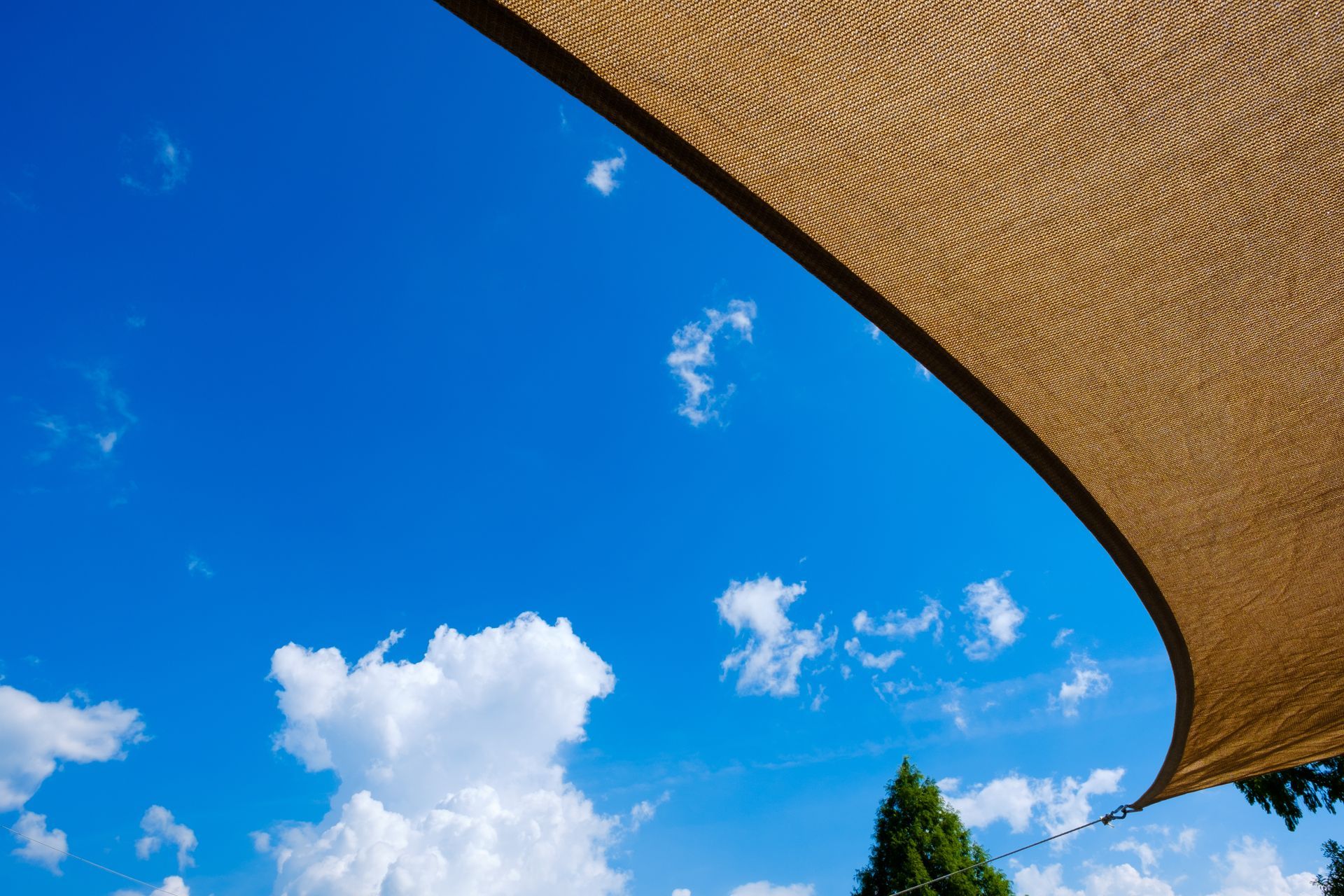
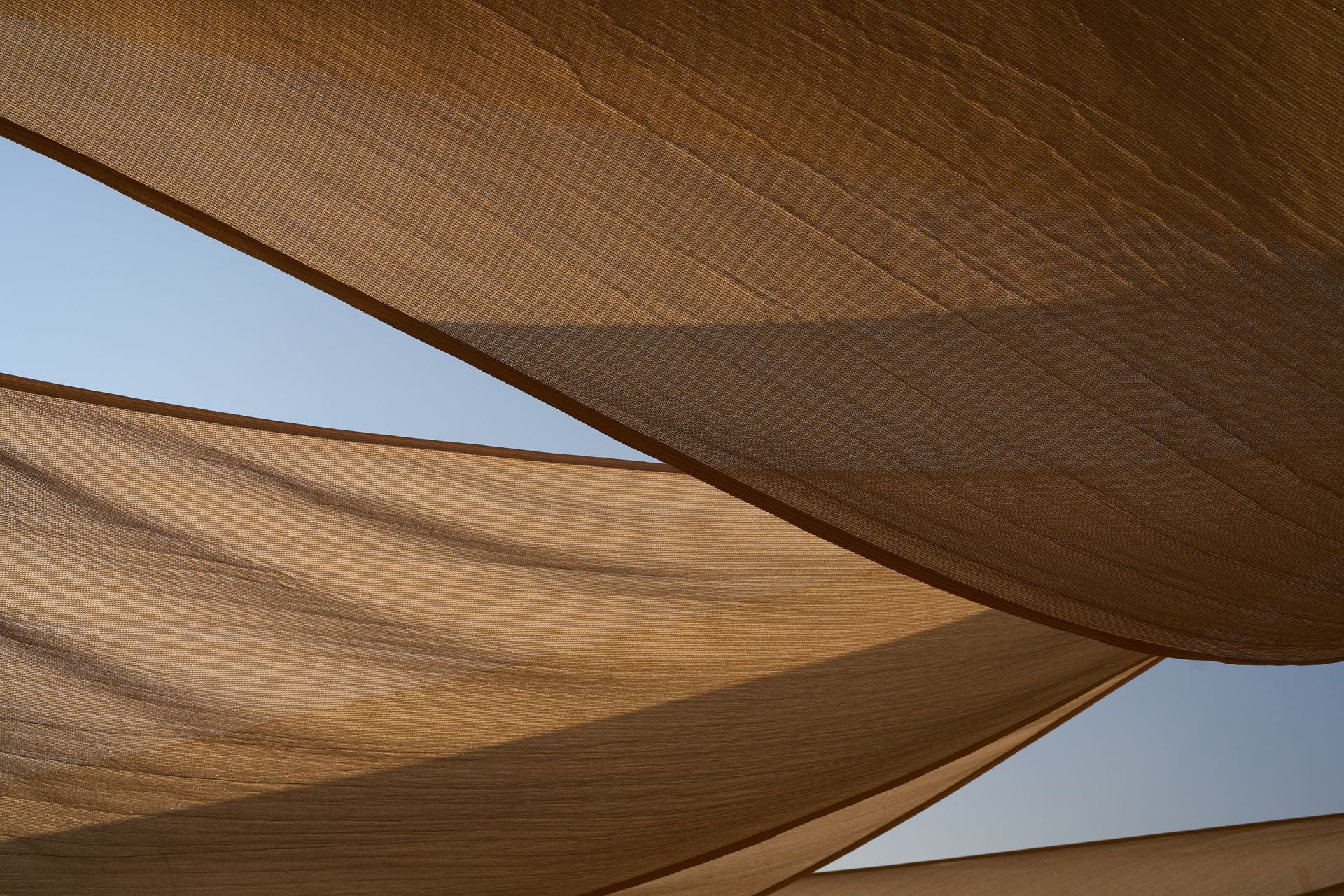
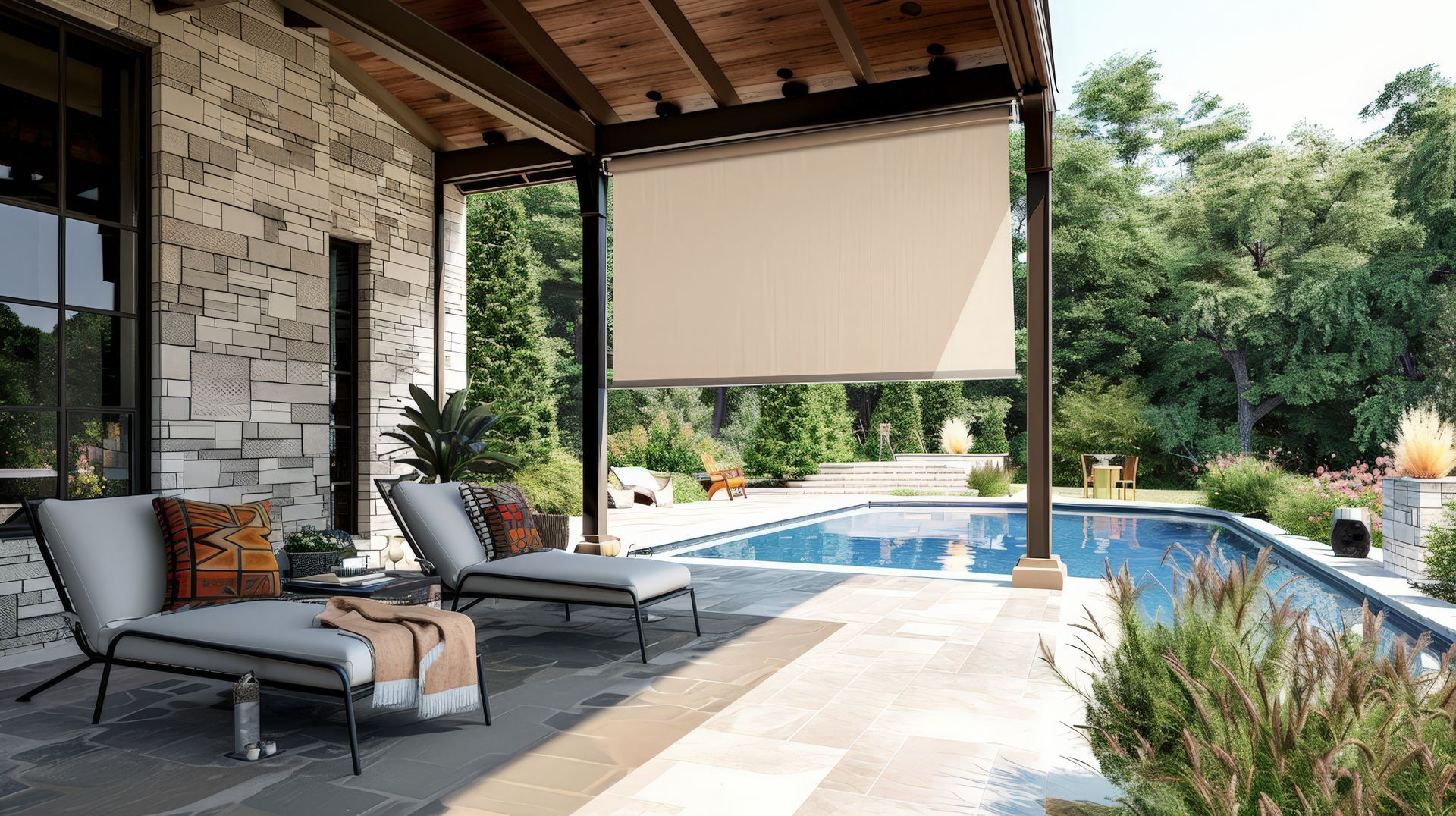
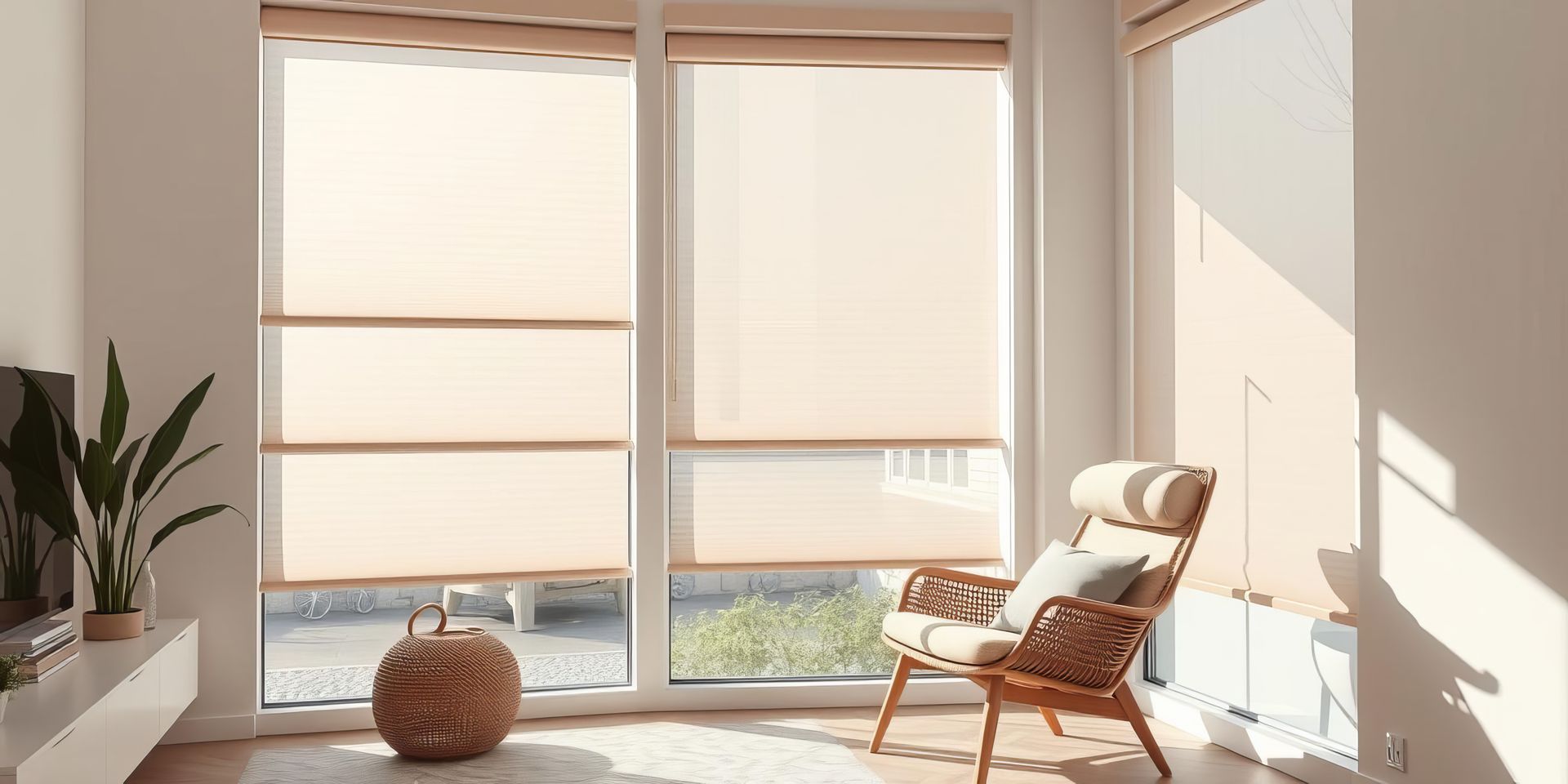
Proper fabric tension is essential for maintaining a smooth, attractive awning surface. When the fabric is stretched evenly across the frame, it is less likely to develop noticeable wrinkles or sagging areas. If tension becomes uneven or decreases over time, the material may begin to bunch, ripple or hang loosely.
Several factors can contribute to tension problems. Repeated opening and closing of retractable awnings can affect how fabric sits on the frame. Wind exposure may also place stress on fixed awning and shade sail material and supporting components, potentially contributing to uneven tension.
Installation plays an important role, too. If the fabric was not properly secured or tensioned during installation, wrinkles may appear early in the awning's life. In other cases, a component that has shifted or worn down may prevent the fabric from remaining evenly stretched.
Minor ripples do not always indicate a serious problem. However, persistent sagging, significant folds or fabric that no longer extends evenly may warrant a professional inspection.
Aging Fabric and Everyday Wear
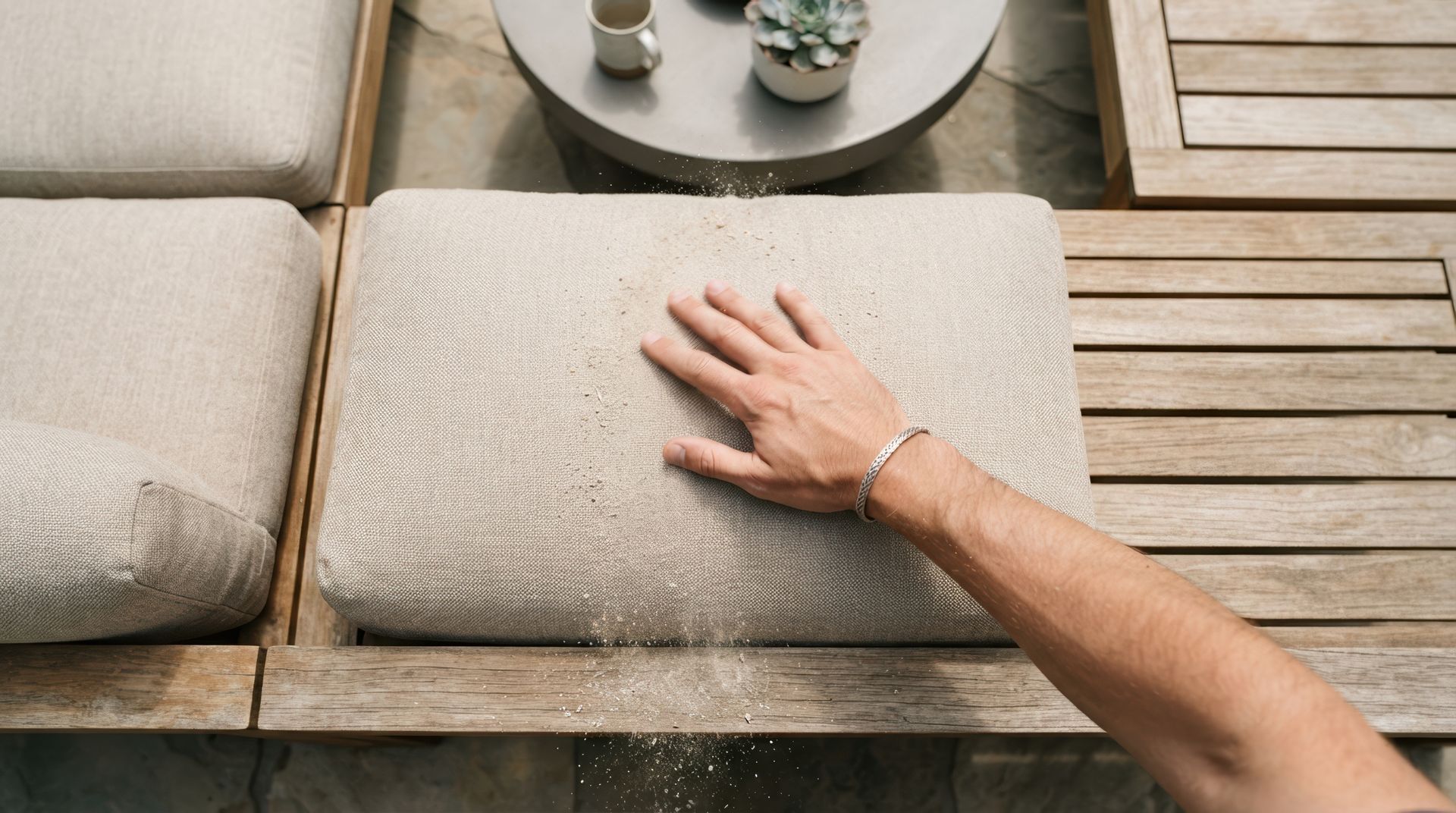
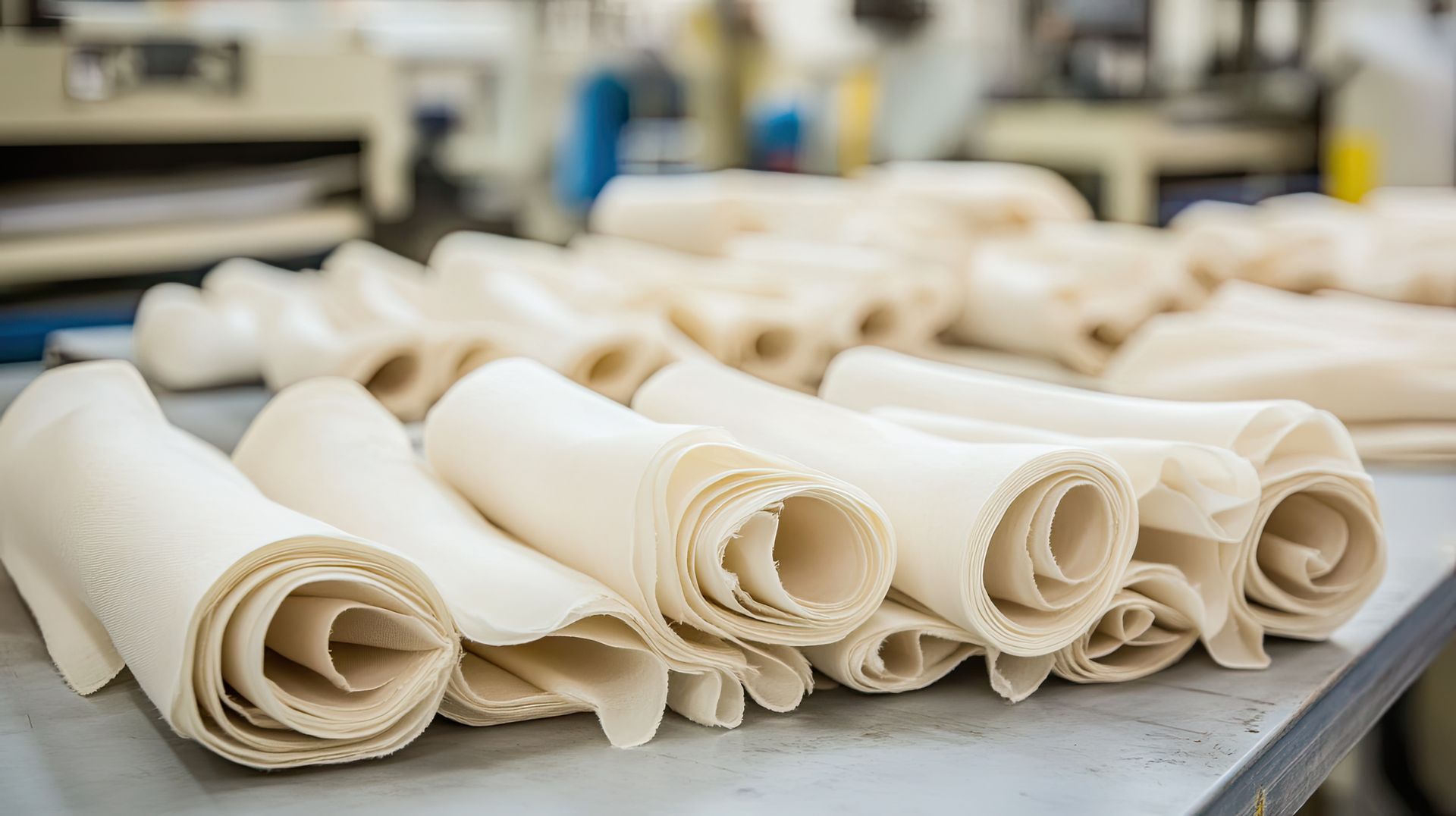
Like other outdoor materials, awning fabric experiences wear from prolonged exposure to the elements. Arizona's intense sunlight and high temperatures can be particularly challenging for outdoor shade products. Depending on the fabric type, prolonged UV exposure may contribute to fading, weakening fibers and reduced elasticity.
As fabric ages, it may lose some of its ability to maintain its original shape. This can cause wrinkles to become more noticeable or, in the case of retractable awnings, create areas that sag even when the awning is fully extended.
The fabric is not the only component affected by age. Seams, stitching, attachment points and tensioning mechanisms may deteriorate over time. When these components no longer support the material properly, the entire awning can begin to look uneven.
Improper Alignment and Mechanical Problems
Alignment issues can result from installation errors, loose fasteners, worn components or damage caused by strong winds. On retractable models, problems with the arms, roller tube or mounting hardware may also affect how the fabric opens and closes.
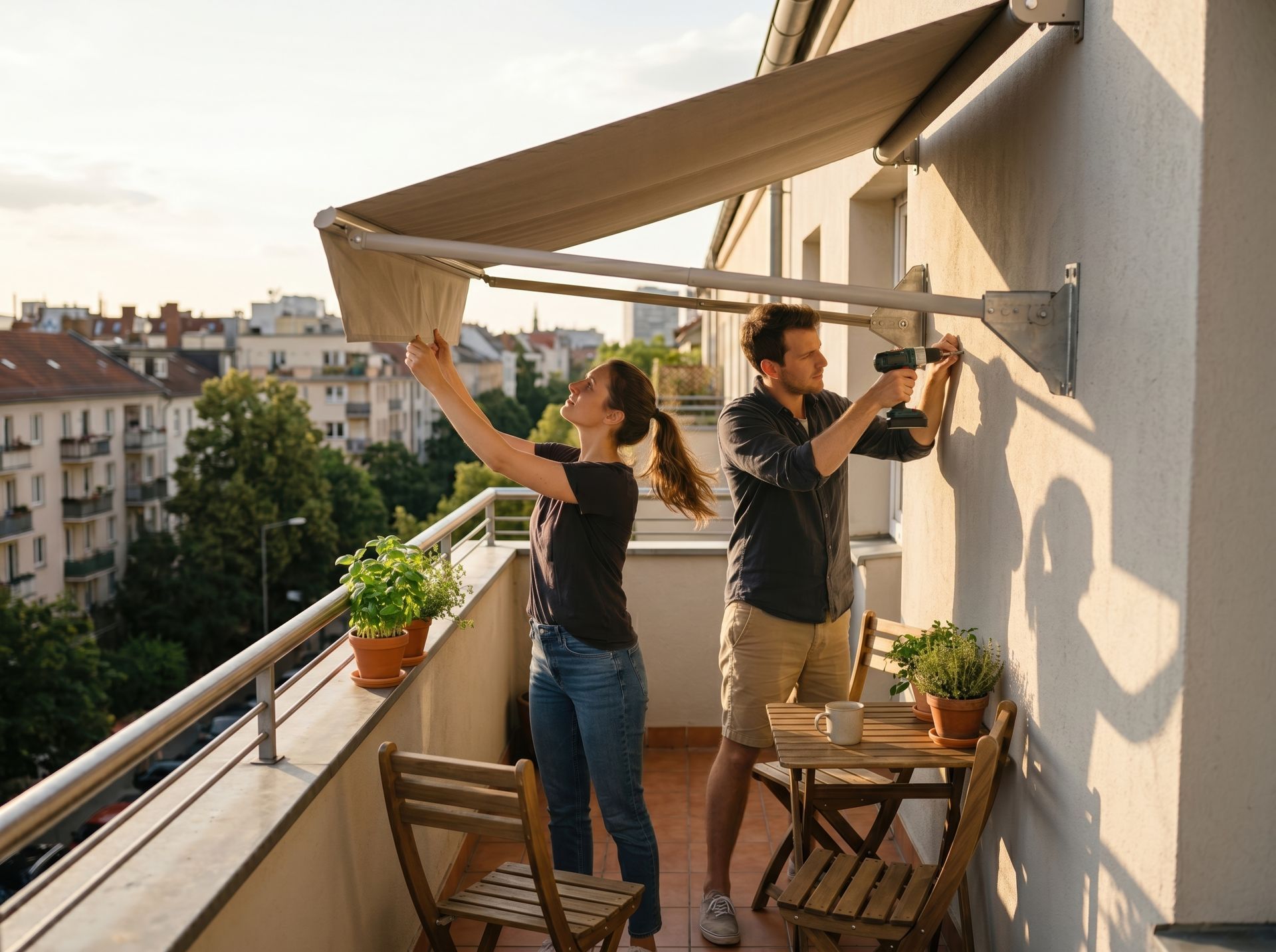
Awning arms and tensioning systems can store significant force, making DIY repairs on retractable awnings potentially dangerous.
A professional can identify the source of the problem and determine whether an adjustment, component replacement or more extensive repair is necessary.
Cosmetic Wrinkles vs. Problems That Require Repair
Not every wrinkle or ripple means your awning is damaged. Minor changes in fabric appearance can occur due to normal material behavior, temperature fluctuations or the way the fabric is stretched across its supporting structure. Retractable awnings may also develop small creases as the fabric is repeatedly rolled and unrolled.
The important distinction is whether the fabric remains properly supported and tensioned or shows signs of a developing problem.
Cosmetic changes may include:
- Small wrinkles or ripples that do not affect the awning's appearance significantly or interfere with its operation
- Minor creases along seams or areas where fabric panels are joined
- Slight changes in fabric tension or appearance as temperatures fluctuate
- Minor rippling that remains consistent rather than becoming progressively worse
Problems that may require professional attention include:
- Deep or persistent sagging that allows water to collect
- Torn fabric, separating seams or damaged attachment points
- Sections of fabric that appear unusually loose or no longer remain properly tensioned
- Uneven or visibly shifting frame components
- Difficulty extending or retracting a retractable awning
- Wrinkles or sagging that worsen over time or appear suddenly after severe weather
Water pooling deserves particular attention because the accumulated weight can place additional stress on the fabric, frame and mounting hardware. Significant changes in fabric tension or the shape of an awning should be inspected before they lead to more extensive damage.
Keep Your Patio Awning in Good Condition With Arizona Awnings
If your patio awning looks uneven or has developed persistent wrinkles, Arizona Awnings can help you explore the appropriate next steps. Whether your awning needs attention to its fabric, adjustments to its components or a replacement solution, getting the problem evaluated can help protect your outdoor investment.
Contact Arizona Awnings today at (602) 252-3430 to discuss your patio awning concerns and find out how to keep your outdoor space comfortable, attractive and ready to enjoy.