What to Check If Your Retractable Awning Is Working Differently After Monsoon Season

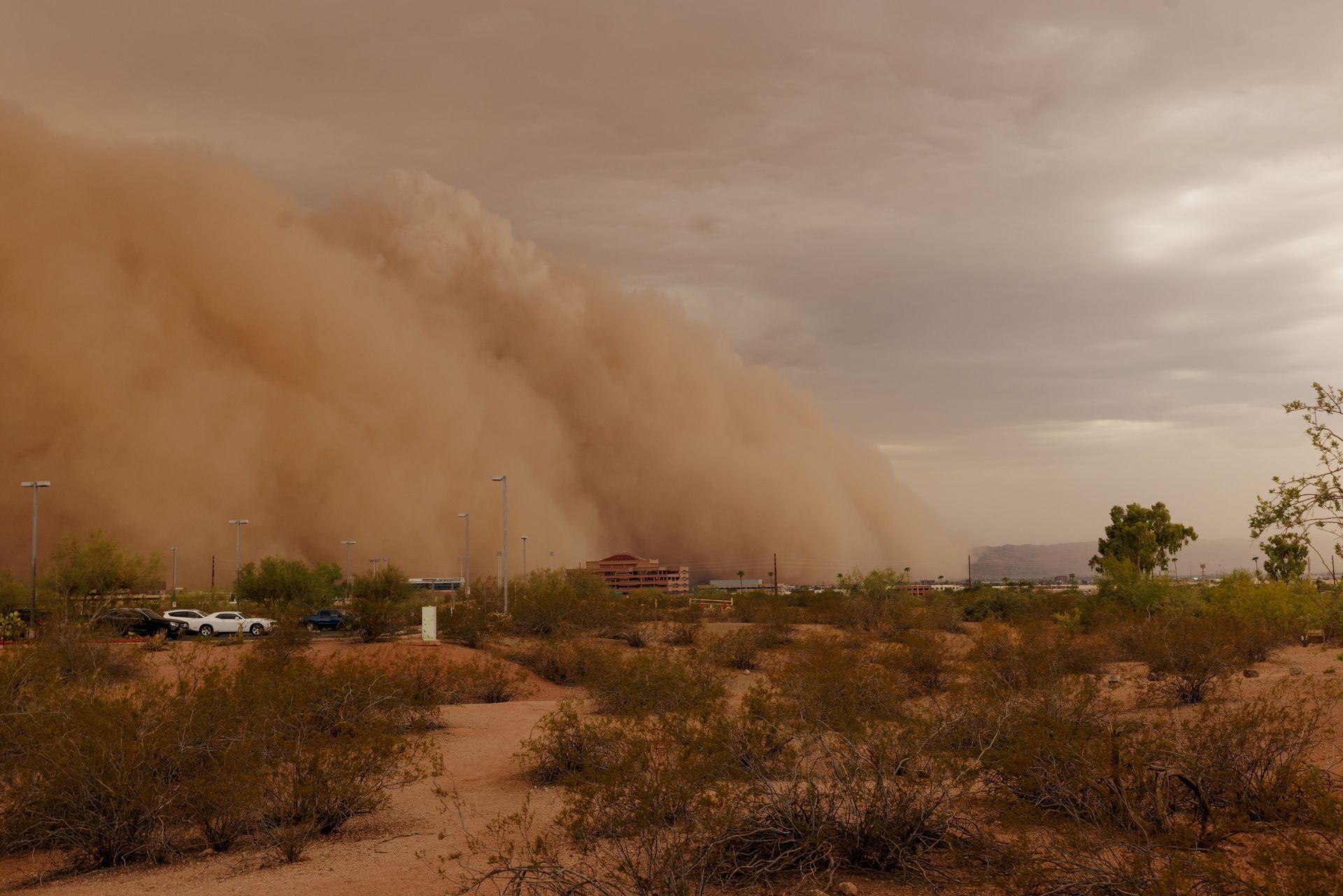
As monsoon season comes to an end in Phoenix, homeowners often begin spending more time on their patios again. After months of intense heat and occasional dust, wind, rain and severe storms, you may notice that your retractable awning does not operate quite the way it did before summer. Maybe it hesitates when extending, the fabric looks different or you hear a new sound when the awning moves.
Even if the awning still works, changes in its operation are worth paying attention to.
It Hesitates or Stops While Extending or Retracting
A retractable awning should generally move smoothly through its extension and retraction cycle. If it pauses, stops unexpectedly, moves more slowly than usual or requires repeated attempts to operate, there may be an issue with the motor, controls, moving components or the awning's alignment.
Monsoon dust and debris can also affect components, particularly if the awning has been exposed to blowing debris during storms. Avoid repeatedly forcing the awning to move if it is struggling. Continued operation could place additional strain on the system.
One Side Appears to Move Differently From the Other
Pay attention to whether both sides of the awning move consistently and in tandem. If one side appears to extend or retract faster than the other, or the front edge does not remain relatively even, the system may need adjustment or inspection.
An uneven appearance can be particularly noticeable when the awning is partially extended. Rather than assuming the difference is normal, have the system checked if this is a new change from its previous operation.
The Fabric No Longer Looks as Tight as It Used To
Your awning fabric may not look exactly the same after months of exposure to Phoenix's summer conditions. However, noticeable sagging, looseness, wrinkles or changes in how the fabric rolls may indicate that something has shifted or that the fabric or supporting components need attention.
The combination of intense heat, wind, rain and repeated exposure can put stress on outdoor materials. If the fabric looks significantly different after monsoon season, an inspection can help determine whether the change is cosmetic or related to the awning's operation.
You Hear a New Grinding, Clicking or Squeaking Sound
A new sound is another reason to take a closer look. Grinding, clicking, squeaking, popping or unusual motor sounds can indicate that a component is experiencing friction, movement or wear that was not present previously.
The cause may be minor, but new sounds should not be ignored. Dust and debris can sometimes interfere with smooth operation, particularly after monsoon season, but homeowners should avoid taking apart or attempting to adjust the awning mechanism themselves. If a new sound continues during normal operation, having the system inspected can help identify the cause before it develops into a larger problem.
The Motor or Controls Behave Inconsistently
Because electrical and motorized components can be affected by environmental exposure, inconsistent operation should not simply be ignored. A professional can evaluate the system and determine whether the issue is related to the motor, controls, connections or another component.
A Wind Sensor Does Not Seem to Respond as Expected
If your awning does not appear to respond as expected during windy conditions or the sensor seems inconsistent, have the system evaluated.
Do not rely on an automatic sensor as a substitute for paying attention to severe weather. Retractable awnings can still be vulnerable to strong winds and storms, and homeowners should follow the manufacturer's recommendations for securing or retracting the awning.
Something Looks Different After a Strong Storm
Sometimes the first indication of a problem is simply that something looks different. The awning may sit at a different angle, a component may appear loose or the fabric, arms, housing or mounting area may not look the way it did before a storm.
After a particularly strong monsoon storm, take a few minutes to visually inspect your awning before putting it back into regular use. If something appears bent, loose, misaligned or damaged, avoid operating it until it can be evaluated.
Get Your Retractable Awning Ready for Patio Season
Arizona Awnings provides service and support for the retractable awning systems we install. If your awning is hesitating, making unusual noises, moving unevenly or simply does not look right after monsoon season, contact us at 602-252-3430 to have the system checked before patio season gets underway.