Why Is My Retractable Awning Sagging, Rolling Unevenly or Not Retracting Properly?
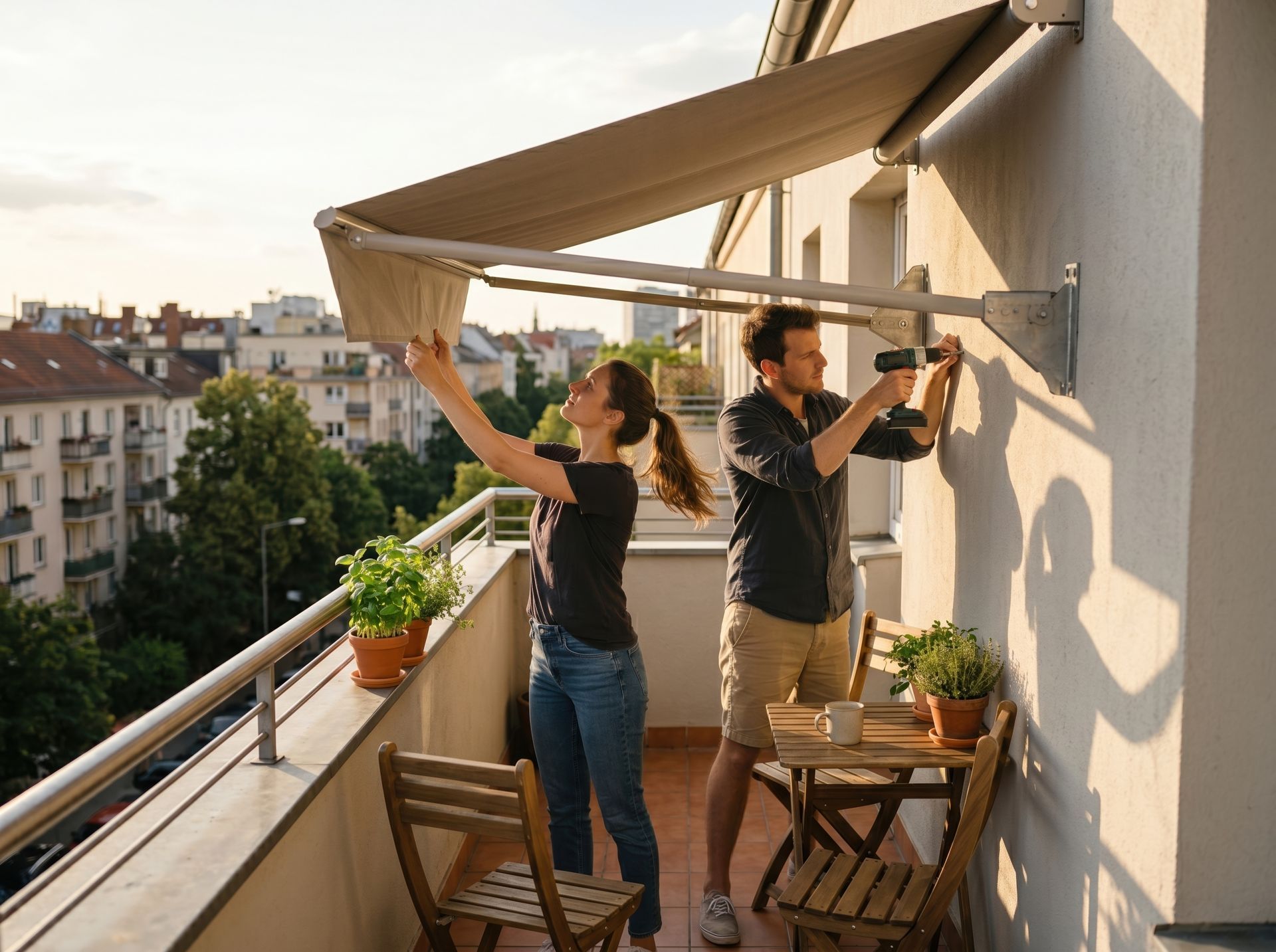
Like any mechanical shade system, a retractable awning can eventually develop problems. You may notice fabric sagging, uneven rolling, unusual noises, slow movement or an awning that stops before it is fully extended or retracted.
Some issues may only require an adjustment, while others can indicate damaged fabric, hardware, arms or other components.
Fabric Sagging or Loss of Tension
Retractable awning fabric is designed to remain properly tensioned when extended. If the fabric begins to sag, it may be losing tension or there could be an issue with the roller tube, front bar or arm system.
Arizona Awnings uses large-dimension front bars with internal ribs and multiple chambers designed to increase rigidity and help eliminate sagging and bowing while keeping the fabric taut. However, changes in tension, normal wear or damage can still affect how the fabric looks and performs.
A professional can determine whether the problem is an adjustment or whether a component needs attention.
Uneven Rolling or Fabric Tracking to One Side
Fabric should roll evenly onto the roller tube as the awning retracts. If it begins tracking toward one side, the fabric may not be properly aligned, or there could be an issue with the arms, roller tube, mounting points or tension.
Continuing to operate an awning that consistently rolls unevenly can make the problem worse. If the fabric is bunching, folding or rubbing against hardware, stop using it until the cause can be evaluated by a professional.
Problems With the Retractable Arms
The retractable arms are essential to extending, supporting, and retracting the fabric. If an arm becomes damaged, misaligned, loose or otherwise fails to operate correctly, the awning may extend unevenly or refuse to retract completely.
Arizona Awnings offers retractable systems with heavy-duty arm components designed for dependable operation. Still, wind, storms, age or physical impact can cause problems that require adjustment or replacement.
Why Does My Awning Stop Before It Is Fully Extended or Retracted?
An awning that stops short of its normal position may have an adjustment issue or a problem with its operating components.
Motorized systems can also have operating or control issues that prevent the awning from completing its cycle.
Rather than repeatedly forcing the system to move, have the awning inspected. Continuing to operate a malfunctioning system can potentially turn a minor adjustment into a more significant repair.
What If a Motorized Awning Will Not Move?
If a motorized retractable awning does not respond, the cause could involve the motor, controls, power supply, or another part of the operating system. A professional can determine whether the problem is related to the motorized operation or the physical awning components.
Slow Movement, Hesitation or Unusual Noises
An awning that moves slowly, hesitates, stops unexpectedly, or makes unusual sounds may be experiencing mechanical resistance, alignment problems, damaged components or other issues affecting operation.
Avoid repeatedly cycling the awning in an attempt to make it work. A professional inspection can help identify the source before additional damage occurs.
Check for Loose Mounting Hardware
The mounting system keeps the awning securely attached to the structure. If hardware becomes loose or shifts, the awning may appear uneven or operate differently than it previously did.
Because retractable awnings place mechanical loads on their mounting points, loose or shifting hardware should be addressed rather than simply tightened without determining why it moved.
Storm and Wind Damage
Fabric, arms, mounting hardware or other components can be damaged if a retractable awning is left extended during strong winds. Even when damage is not immediately obvious, an awning that suddenly operates differently after severe weather deserves an inspection.
Fabric Damage vs. Mechanical Damage
Not every awning problem requires replacing the entire system. Tears, deterioration or other visible fabric damage may call for fabric repair or replacement, while uneven movement or operating problems may point toward mechanical components.
The important distinction is determining what actually failed before replacing anything.
Is Your Retractable Awning Having Problems?
Contact Arizona Awnings today at (602) 252-3430 to schedule a free onsite estimate and find out what your retractable awning needs to operate properly again.