Motorized vs Manual Awnings
Awnings typically make a fantastic addition to any outdoor space because of the shade, protection and style they offer. When considering retractable awnings for your home or business, one of the most important decisions you will need to make is whether to opt for a motorized or manual version. Each retractable awning option has its own set of advantages and drawbacks, and understanding the pros and cons of both motorized and manual awnings can help you make the right choice for your preferences, lifestyle and budget.
Whether you choose motorized or manual, the addition of a patio awning will undoubtedly enhance your overall outdoor comfort and experience while protecting your furniture and guests from the unrelenting Phoenix sun.
What Are Motorized Awnings?
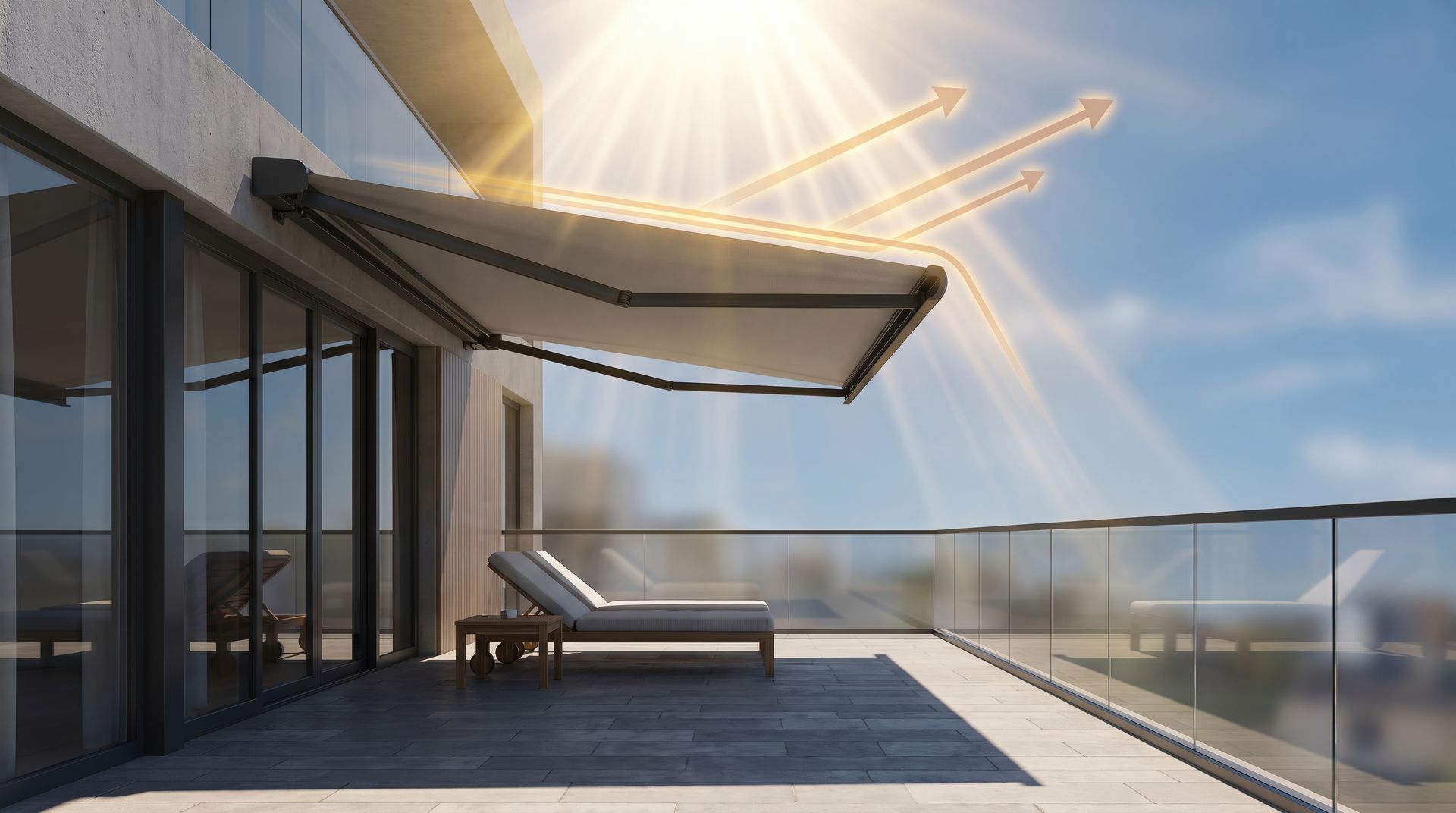
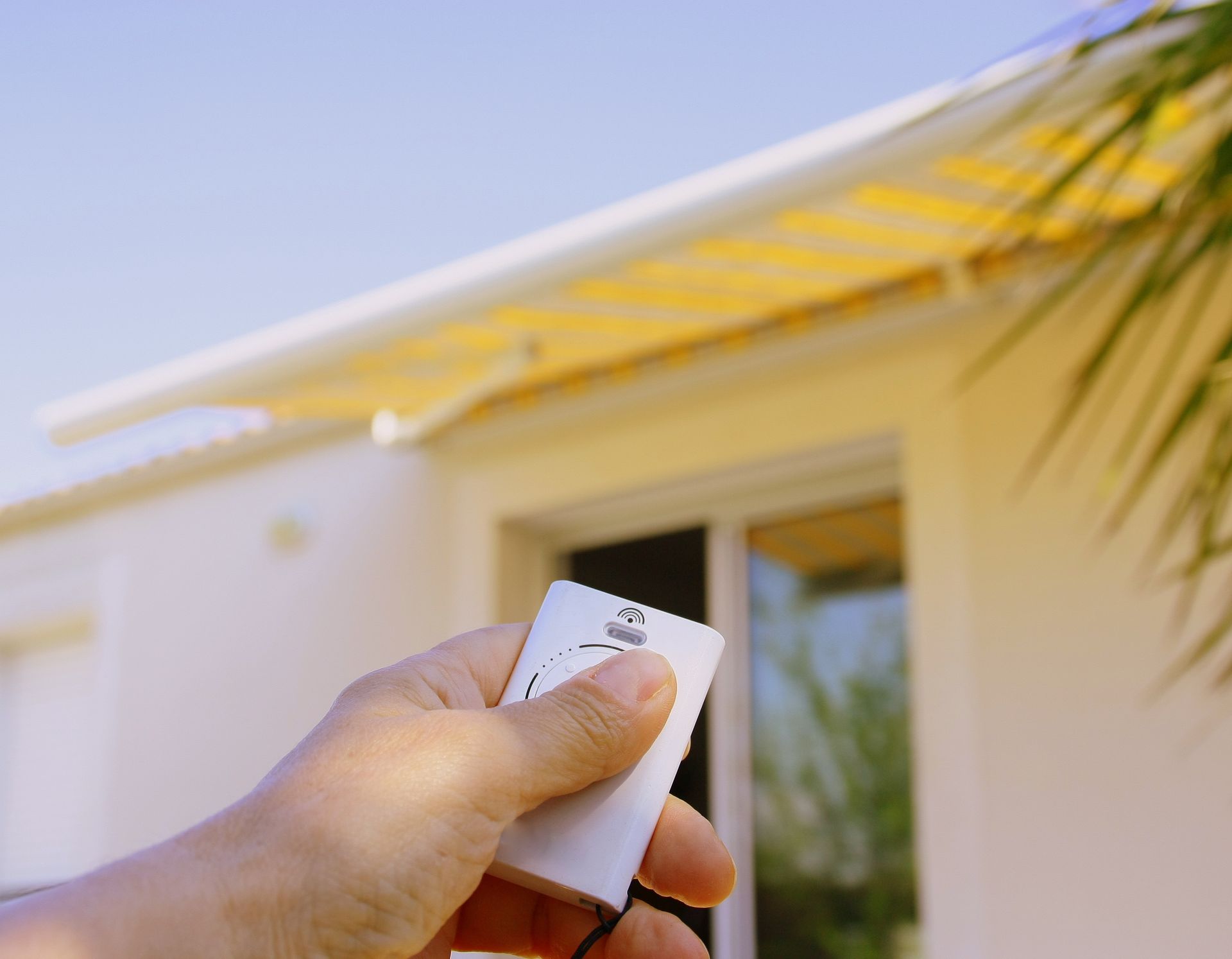
Motorized retractable awnings offer the convenience of automated operation. Unlike manual awnings that require physical exertion, motorized awnings can be effortlessly controlled by a button or remote control. These awnings are equipped with an electric motor that drives the extension and retraction mechanism, allowing for precise control over the awning’s exact position and angle.
What Are Manual Awnings?
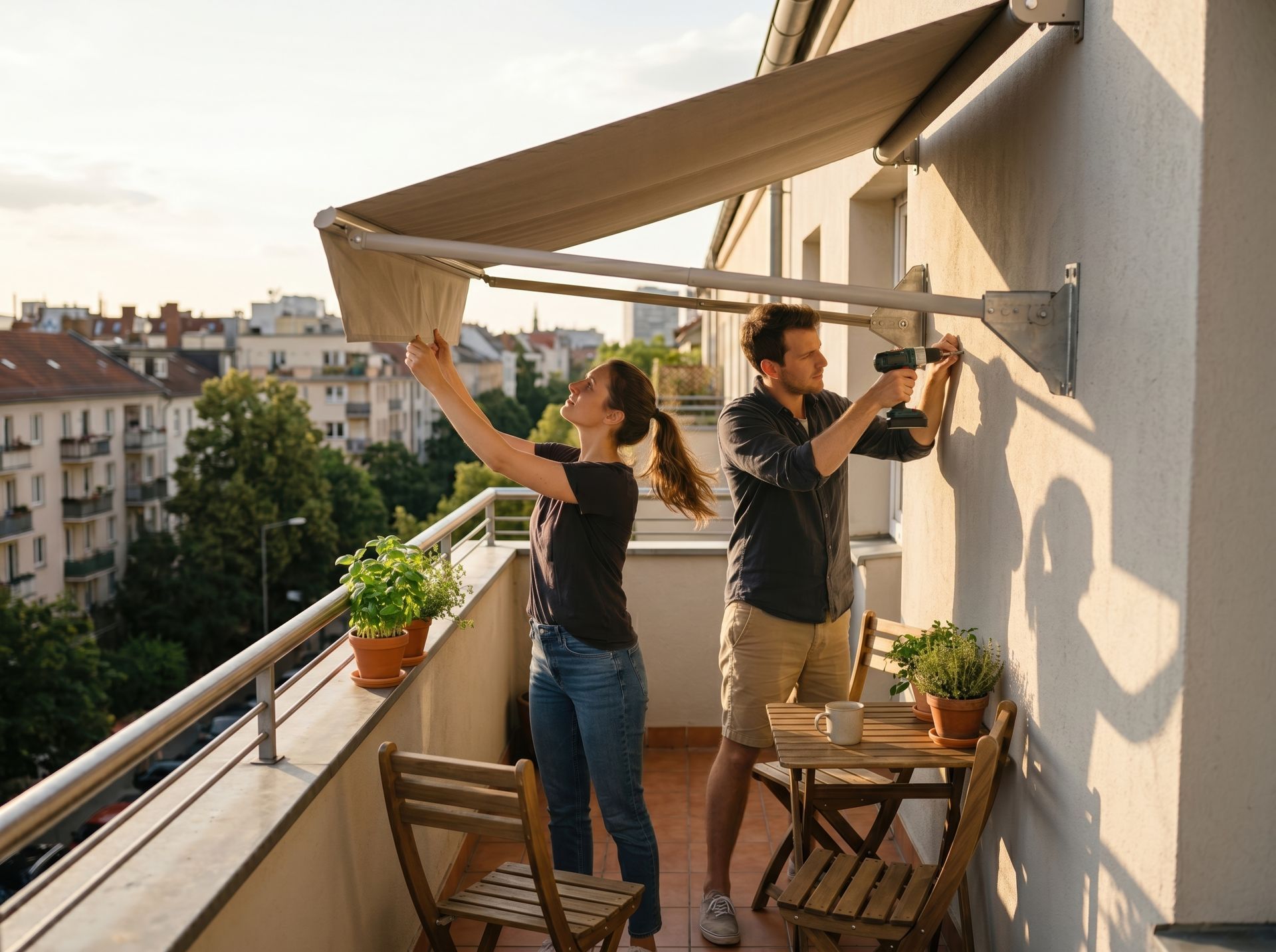
Manual awnings are a type of retractable awning that operates through manual adjustment. Unlike motorized awnings that use an electric motor, manual awnings require physical effort to extend or retract the awning. Typically, manual awnings feature a hand-crank mechanism or a pull chain that allows users to adjust the position and angle of the awning by hand.
Pros and Cons of Motorized Awnings
The pros of motorized awnings often include:
- Convenience – You can effortlessly extend or retract the awning as needed by using a button or remote control. This feature is especially beneficial for large or hard-to-reach awnings, as it eliminates the need for manual labor.
- Precision and control – Motorized awnings offer precise control over the position and angle of the awning. You can easily adjust the amount of shade depending on the sun's position or your desired level of coverage. Some motorized awnings even come with sun sensors that automatically adjust the awning based on the sun's movement.
- Safety – Motorized awnings often come with built-in safety features, such as wind sensors that automatically retract the awning in strong winds to prevent damage. This feature offers peace of mind, especially during the unpredictable weather conditions of Arizona’s monsoon season.
The cons of motorized awnings may include:
- Cost – Motorized awnings tend to be more expensive than manual awnings due to the additional components and electrical setup required. The initial investment can be a significant consideration for those on a tight budget.
- Power source – Motorized awnings require a power source to operate, which means you'll need access to an electrical outlet or have a battery-powered option. If your outdoor space doesn't have easy access to electricity, the installation process may become more complex.
Pros and Cons of Manual Awnings
The pros of manual awnings often include:
- Affordability – Manual awnings are generally more budget-friendly than motorized awnings. They have a simpler design and do not require electrical components, which reduces the overall cost.
- Low maintenance – Since manual awnings lack electrical components, the maintenance is typically minimal. Regular cleaning and occasional lubrication of moving parts are usually all that's needed to keep them functioning smoothly.
- Energy efficiency – Manual awnings do not rely on electricity to operate, meaning they can still be opened and closed even if the power goes out. Although the power usage of motorized retractable awnings isn’t usually a huge expense, manual awnings use literally no power while providing shade and cooling your residential or commercial outdoor space.
The cons of manual awnings may include:
- Manual operation – The main drawback of manual awnings is the manual operation itself. Extending and retracting the awning requires physical effort, which may not be ideal for those with mobility issues or for larger, heavier or hard-to-reach awnings.
- Limited control – Manual awnings offer less precise control over the positioning of the awning compared to their motorized counterparts. Adjusting the angle and coverage may take more time and effort, making it less convenient in situations where immediate changes may be needed.
Discover Your Ideal Backyard Shade Solution in Phoenix
At Arizona Awnings, we are dedicated to helping you find the ultimate shade structure for your patio or outdoor space. With our extensive experience serving clients in Scottsdale, Phoenix, Mesa and Tempe, we are well-equipped to meet the shading needs of all Valley residents and business owners.
Our expert teams of awning experts are eager to collaborate with you and transform your backyard into the oasis of your dreams. Whether you are interested in commercial awnings, residential canopies or window awnings, we offer fully customizable solutions that align with your preferences and requirements.
Contact us today at 602-252-3430 to request an estimate or schedule a consultation, and let's create a shaded paradise tailored just for you.