Sustainable Choices for the Environmentally Conscious Homeowner

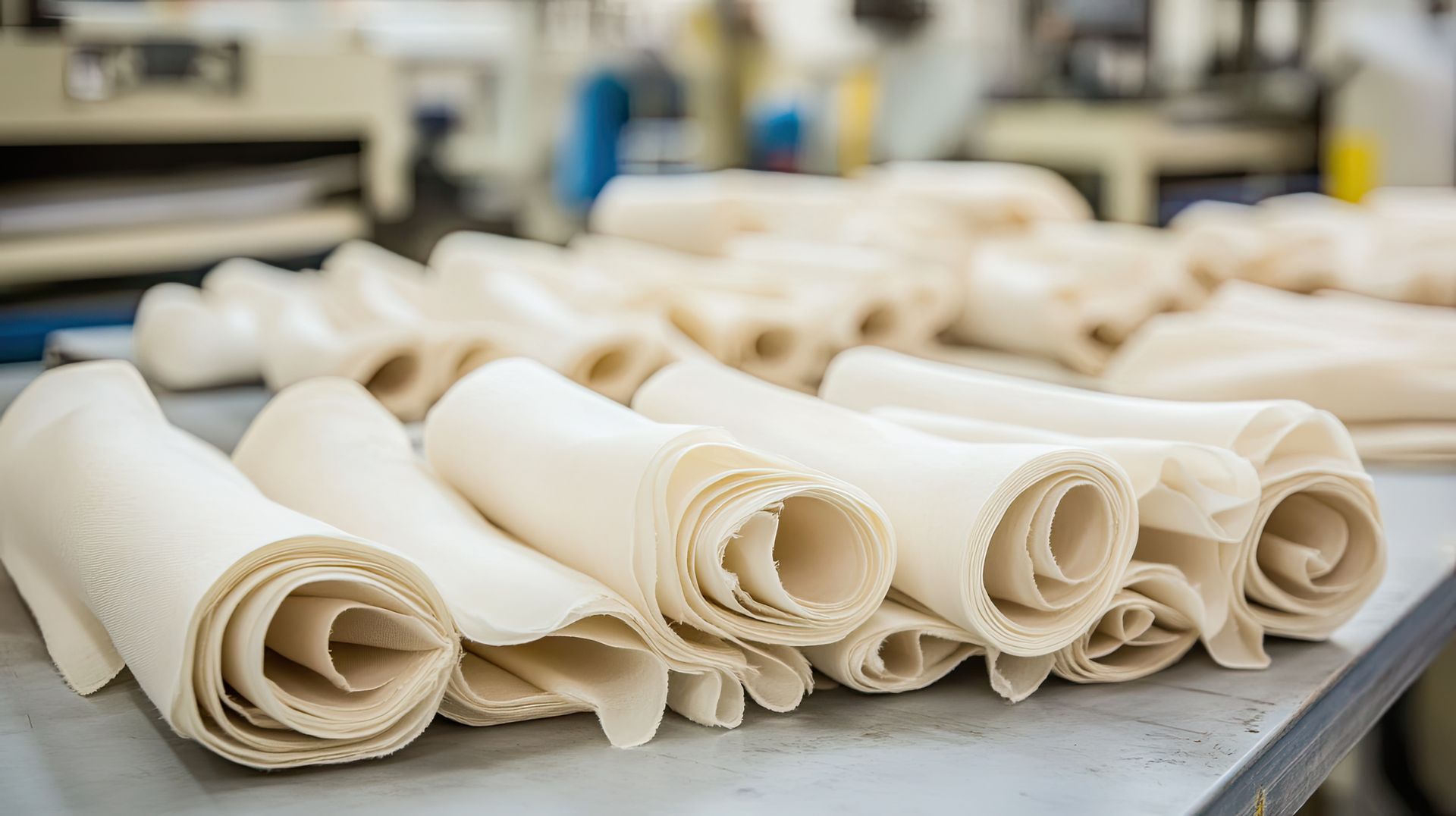
While not the most resource-exhaustive compared to other energy-enhancing home products, awnings do require a fair amount of resources to make, which can be harmful to the environment. Choosing awnings made from eco-friendly and sustainable materials can help reduce the environmental impact. Eco-friendly fabrics are often manufactured with fewer pollutants, allowing them to be recycled or biodegraded at the end of their life cycle.
At Arizona Awnings, we’re committing to minimizing our waste contribution while also maximizing the quality and longevity of our awnings. We partner with eco-friendly fabric companies to ensure our carbon footprint is as small as possible.
About Our Fabric Partners
For more than 25 years, Sunbrella has been dedicated to sustainability. They recycle acrylic manufacturing waste and deliver it to partners who convert used materials like felt, automotive insulation and filtration and use it in the manufacturing of their fabrics.
Sunbrella puts a significant focus on creating a sustainable production process, diverting over 90 percent of their manufacturing waste by recycling as much as possible. The company’s Recycle My Sunbrella program, which they started in 2010, has already diverted nearly one million pounds of fabric waste from reaching landfills.
Sunbrella also produces its fabric using nearly 50 percent recycled fabric, restoring the used fabric to its original fiber state before integrating. This not only minimizes waste but also ensures their recycled fabrics meet the same performance and quality standards as their new and virgin fabrics.
Sunbrella actively seeks out other ways to be environmentally conscious, including wastewater reduction, solar power generation and wildlife and plant conservation efforts like the WAIT program. They’re GREENGUARD Gold-certified for low chemical emissions, STANDARD 100 by OEKO-TEX®-certified for the absence of harmful substances in their products and ISO 14001:2015-certified for environmental management.
Sunbrella’s sister company, FIRESIST, also provides first-rate, fire-retardant fabrics that offer unparalleled UV resistance, which can be critical during Arizona summers when the temperature can stay above 105 degrees for months.
Similarly, Synthesis Commercial 95 (Coolaro) offers long-lasting, eco-friendly fabrics that provide optimal UV resistance – up to 90 percent – to lower homeowners’ cooling costs and consequently their carbon footprint.
On top of all that, all of these eco-friendly companies offer fabrics that are durable, vibrant and long-lasting, so homeowners can enjoy buying eco-conscious, often recyclable products without compromising on appearance and reliability.
How Installing an Awning Can Help Decrease Your Carbon Footprint
Energy Efficiency
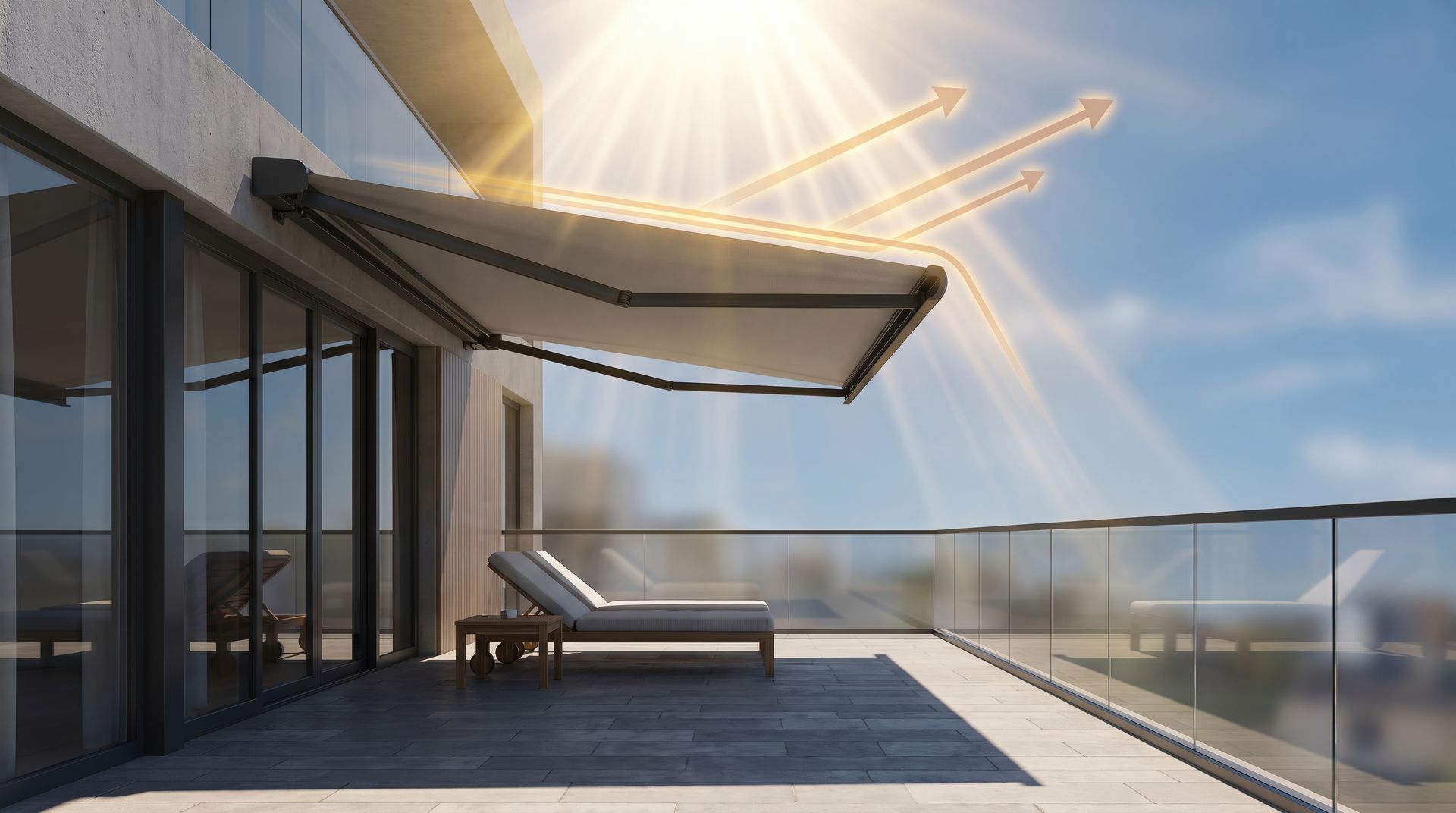
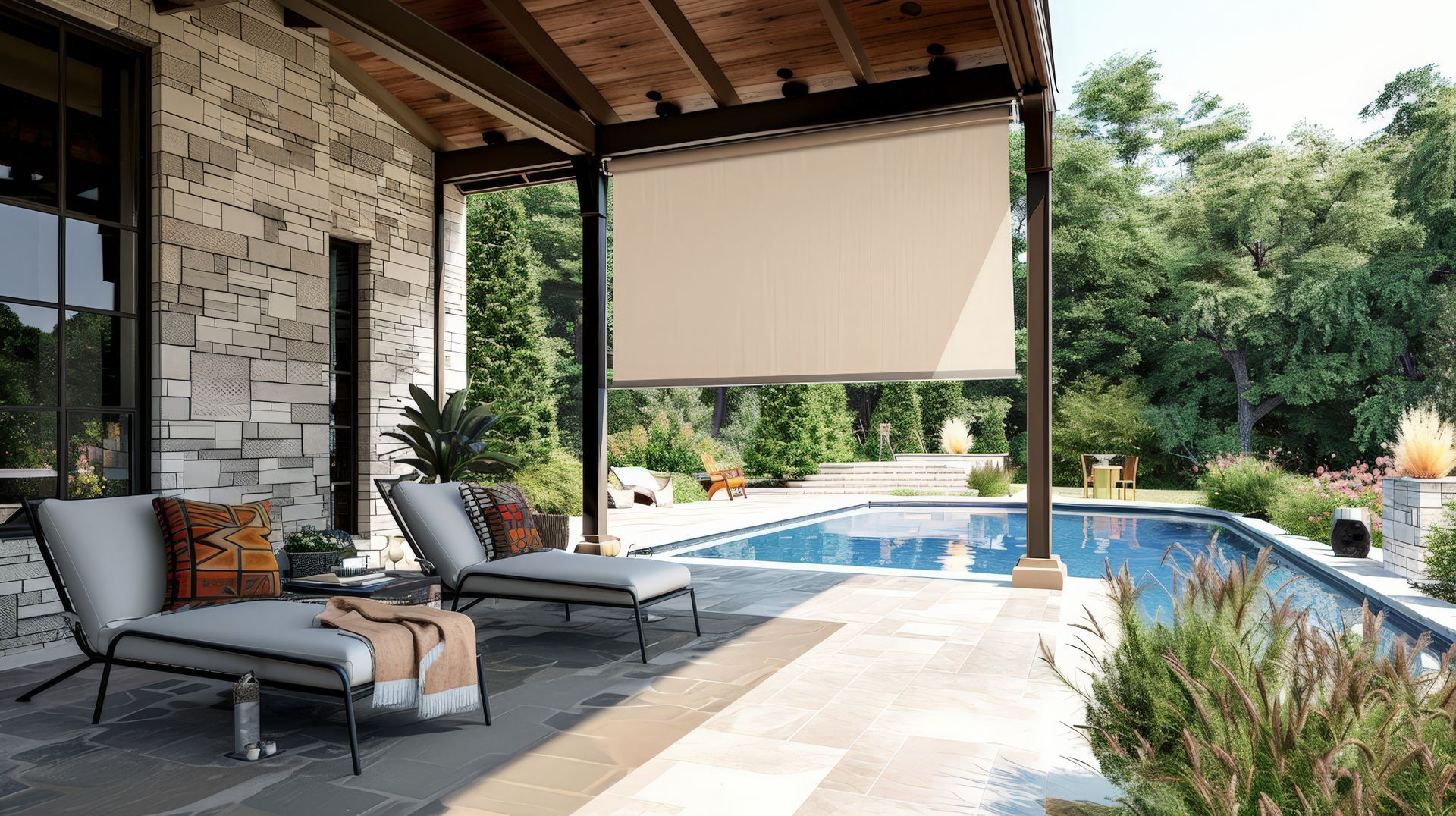
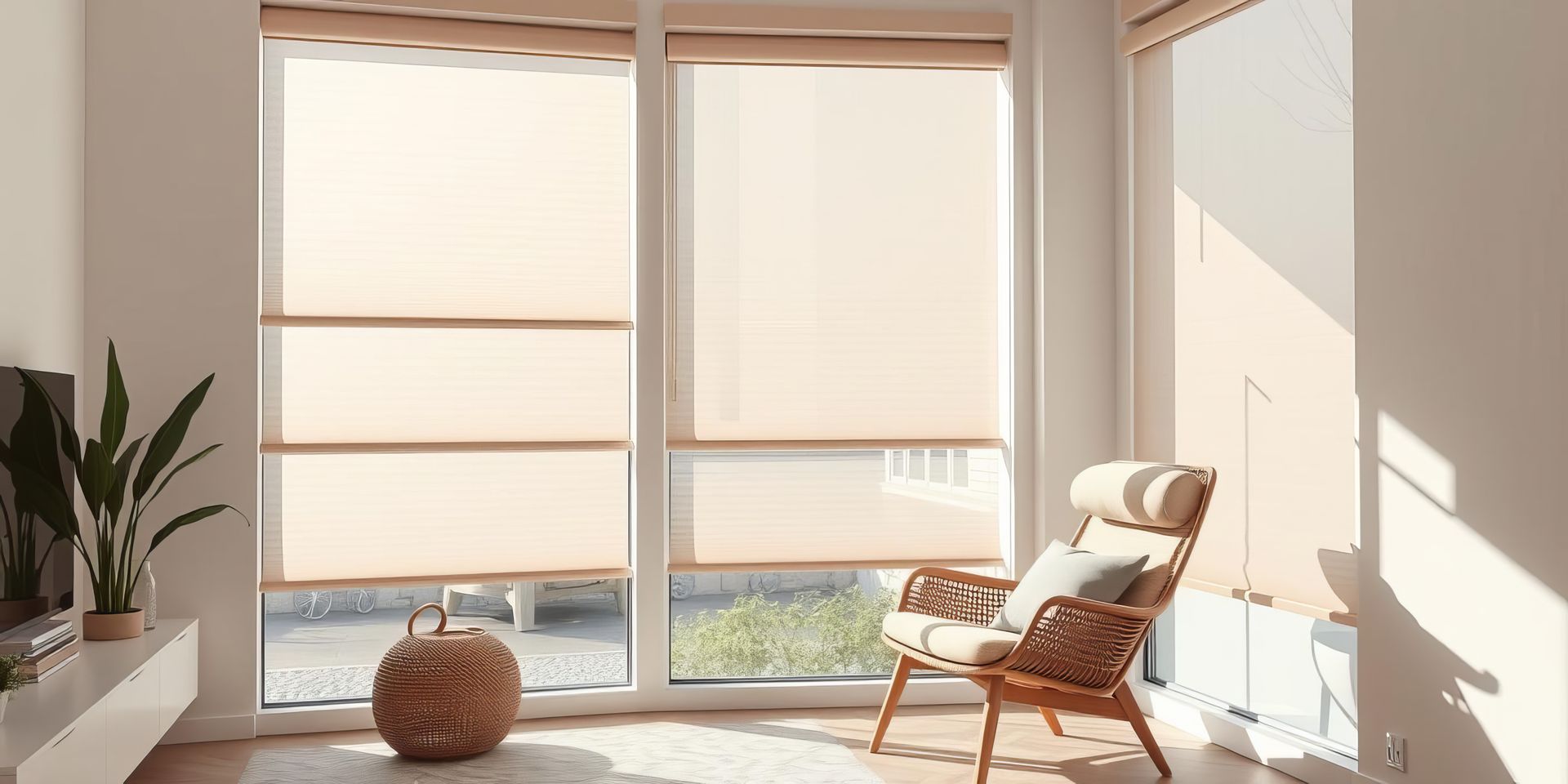
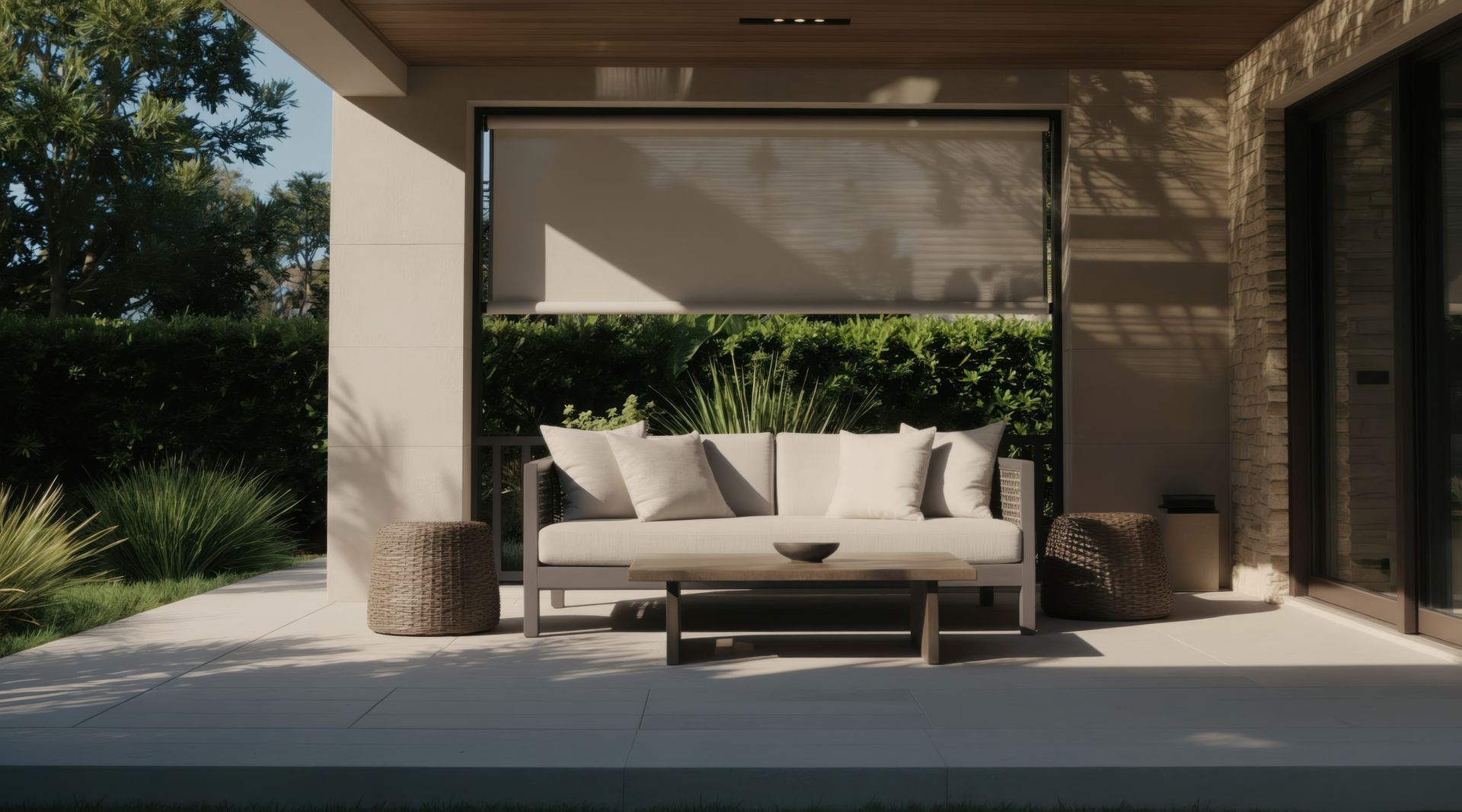
Awnings can limit the amount of direct sunlight entering your home. Interior and exterior surface heat gain in Arizona is a prevalent issue that can lead to increased energy costs and reduced HVAC performance and longevity. An awning can help prevent this by blocking direct sun exposure through windows and against exterior walls, reducing heat absorption and lowering cooling costs.
If you have a retractable awning, you can adjust your shading based on your needs. In the summer, you can extend the awning to provide shade and decrease cooling costs. In the winter, you can retract the awning to allow more sunlight in, providing natural warmth and lowering heating costs.
Natural Cooling
Awnings create cool and comfortable shaded outdoor spaces with less reliance on energy-consuming devices like fans or water-consuming devices like misting systems or evaporative coolers.
By cutting down on heat transference into houses from exterior walls or windows, homeowners can depend less on HVAC usage.
Similarly, with an awning, you can extend your usable living space to your patio and spend less time indoors regardless of the weather, which can help you get more out of your property and enjoy outdoor spaces more comfortably.
Furniture Protection
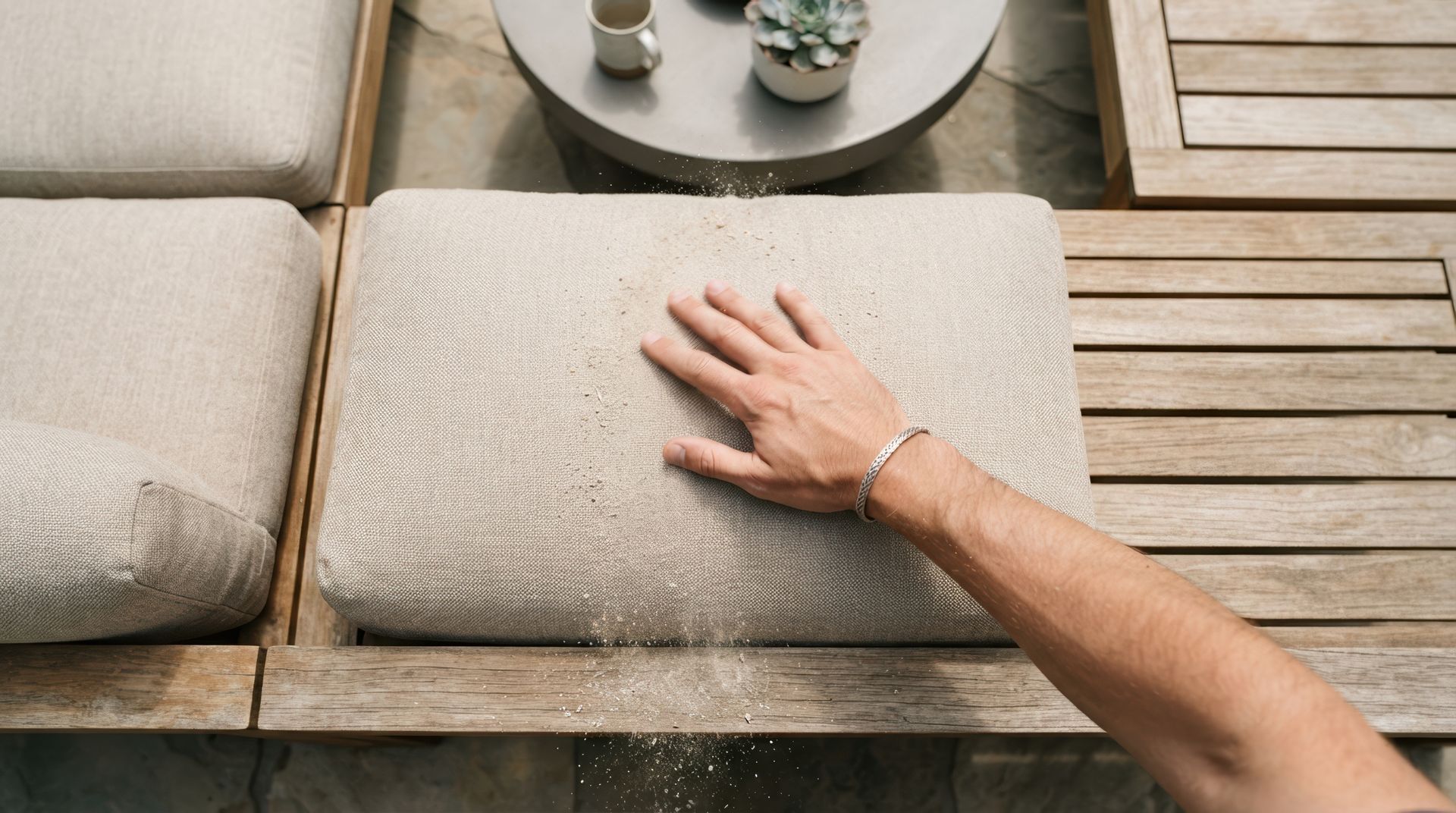
Awnings help protect interior furnishings, flooring and carpets from sun damage and fading. This can limit the need for frequent replacements and the environmental impact of manufacturing and disposing of these items.
Hire an Awning Installation Team That’s Been Installing Custom-Made Residential and Commercial Awnings in Phoenix for Nearly a Century
At Arizona Awnings, we take pride in offering custom-made shade solutions that will endure harsh weather and stay brighter for longer – all with environmentally conscious production practices.
Phoenix homeowners and business owners wanting to design a tailor-made awning and have it seamlessly installed can explore our gallery of previous work and call 602-252-3430 today to receive a free in-home estimate.